
Introduction
The Gilded Age was a period in American history that lasted from the late 19th century to the early 20th century. During this period, there was an explosion of new wealth and power, which brought with it a distinct style of fashion. Gilded Age fashion was characterized by the use of elaborate fabrics, intricate details, and luxurious materials. It was also heavily influenced by social, economic, and political forces of the time.

History of Gilded Age Fashion: An Overview
The emergence of Gilded Age fashion can be traced back to the Industrial Revolution. As technology advanced, so did the production of clothing. Machines made it possible to mass-produce clothing quickly and cheaply. This allowed for more people to be able to afford fashionable clothes. In addition, the rise of the middle class meant that more people were able to purchase clothing that was not available to those of lower classes.
Social, economic, and political forces all played a role in shaping Gilded Age fashion. The Civil War had just ended and the country was beginning to rebuild. Women’s rights were gaining momentum, leading to changes in the way women dressed. The economy was booming, allowing for the wealthy to invest in luxury items, such as expensive fabrics and jewelry. Finally, the growing influence of Europe led to the adoption of European styles.

Exploring the Different Styles of Gilded Age Fashion
Gilded Age fashion was divided into three distinct categories: daywear, eveningwear, and accessories. Daywear featured high collars and long skirts. The most popular fabrics were wool and silk. Eveningwear featured more extravagant designs, such as lace and velvet. Accessories included hats, gloves, and fans. Many of these items were made with precious metals and gems.
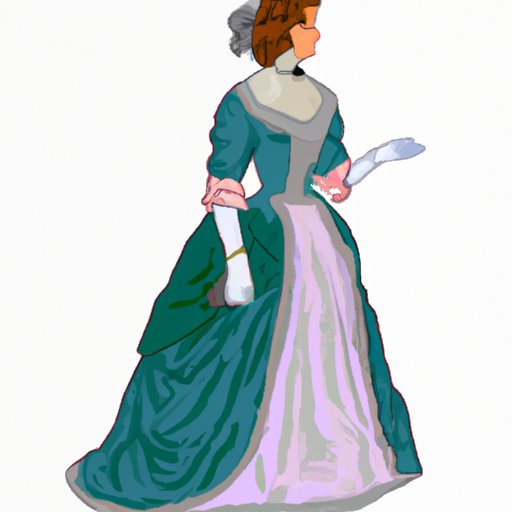
Women’s clothing during the Gilded Age was the most ornate and elaborate. Dresses were often made from silk or satin and featured intricate embroidery and beading. Skirts were often floor-length and layered with several petticoats. Bodices were tightly fitted and often cinched at the waist with a corset. Hats were often adorned with feathers or flowers.
Men’s clothing was much simpler and less ornate than women’s. Suits were tailored to fit and were made from wool or cotton. Popular colors included black, gray, and navy blue. Ties were often brightly colored and patterned. Accessories such as pocket watches, cufflinks, and top hats added a touch of sophistication to any outfit.
How Did Gilded Age Fashion Impact Society?
Gilded Age fashion had a profound impact on society. On a social level, it was seen as a sign of wealth and status. Those who could afford expensive and lavish clothing were viewed as part of the upper class. On an economic level, the demand for luxury goods created jobs and spurred economic growth. On a political level, the fashion of the time was often used to make statements about one’s views on politics.
For example, during the Gilded Age, the suffragette movement was gaining momentum. Women began to wear white dresses as a symbol of their desire for the right to vote. Similarly, men wore black armbands to show their support for the movement. By wearing certain pieces of clothing, people were able to express their views without having to say a word.

Examine the Role of Women in Gilded Age Fashion
During the Gilded Age, women’s roles in society began to change. Women were no longer expected to stay at home and take care of the children; instead, they were entering the workforce and becoming politically active. This shift in gender roles caused a shift in fashion as well. Women began to wear clothing that was more practical and comfortable, such as shirtwaists and bloomers.
In addition, clothing that was specifically designed for women became popular during this time. Corsets and bustles were worn to accentuate the female figure and create an hourglass silhouette. These garments were seen as symbols of femininity and were highly sought after by women of the time.
What Influences Did Gilded Age Fashion Have on Later Styles?
Gilded Age fashion had a major influence on later styles. Art Nouveau, which emerged at the turn of the 20th century, was heavily inspired by the ornate and intricate designs of Gilded Age fashion. Edwardian fashion, which followed shortly after, was characterized by the use of luxurious fabrics and delicate details. Finally, the Roaring Twenties drew inspiration from Gilded Age fashion with its flapper dresses and cloche hats.
Analyzing the Costumes of Gilded Age Fashions
In recent years, Gilded Age fashion has become increasingly popular in films and television. Costume designers must be careful to ensure that the costumes are historically accurate. For example, if a film is set during the Gilded Age, the costumes should reflect the styles of the time. There are some differences between costumes used in theater and on-screen. For example, on-screen costumes may be more ornate and detailed than their theatrical counterparts.
Conclusion
Gilded Age fashion was a unique and influential style of fashion that was heavily influenced by social, economic, and political forces of the time. It had a profound impact on society and shaped the way people dressed for decades to come. Today, Gilded Age fashion is still influencing modern styles, from Art Nouveau to the Roaring Twenties. Costume designers must be mindful of the historical accuracy of costumes used in films and television to ensure that the costumes reflect the styles of the time.
In conclusion, Gilded Age fashion was a significant period in fashion history that continues to influence fashion today. Its intricate designs, luxurious fabrics, and elaborate details have left a lasting impression on society and will continue to do so for generations to come.
(Note: Is this article not meeting your expectations? Do you have knowledge or insights to share? Unlock new opportunities and expand your reach by joining our authors team. Click Registration to join us and share your expertise with our readers.)