
Introduction
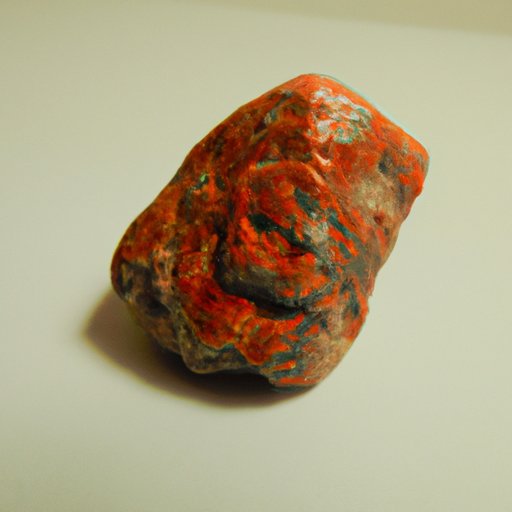
Minerals are an essential part of our lives, but what exactly are they? What is the definition of a mineral? How do they form? These are all questions that need to be answered in order to properly understand the role of minerals in the world around us. Minerals are naturally occurring inorganic substances that form the building blocks of Earth. They can be found in rocks, soils, and even living organisms. Understanding minerals is important for a variety of reasons, from understanding the chemical composition of the Earth to identifying and collecting rocks and minerals for scientific or hobby purposes.
A Definition of Minerals – Exploring the Building Blocks of Earth
The definition of a mineral is a naturally occurring inorganic crystalline solid with a definite chemical composition and characteristic physical properties. Minerals are formed through geological processes, such as sedimentation, crystallization, and metamorphism. They can be found in virtually every type of rock on Earth, including igneous, sedimentary, and metamorphic rocks. Minerals are also found in soils and can even be present in living organisms.
Minerals range in size from microscopic grains to large crystals, and they are composed of a variety of chemical elements. Some common elements found in minerals include oxygen, silicon, aluminum, iron, calcium, magnesium, potassium, and sodium. Minerals are classified according to their chemical composition and crystal structure, as well as their physical properties, such as hardness, color, luster, and streak.
What Are Minerals and How Do They Form?
Minerals are formed in a variety of ways, from cooling magma deep within the Earth’s crust to evaporating water from a lake. Most minerals form when molten rock (magma) cools and crystallizes into a solid. Other minerals form when hot water dissolves minerals in rocks and then recrystallizes them when it cools. Some minerals form through chemical reactions between different elements, while others form when organic material decomposes.
Minerals have a wide variety of characteristics, including color, luster, hardness, density, and cleavage. Some minerals are quite hard, such as diamond and quartz, while others are relatively soft, such as talc and gypsum. Minerals also differ in terms of their chemical composition, which affects their physical properties.

An Overview of Mineral Classification
Minerals are classified according to their chemical composition and crystal structure, as well as their physical properties. Minerals can be divided into three main groups: silicates, oxides, and sulfates. Silicates are the most abundant group of minerals and are composed mainly of silicon and oxygen. Oxides contain one or more metals combined with oxygen, while sulfates contain sulfur and oxygen. Minerals can also be classified according to their crystal structure, such as cubic, hexagonal, or monoclinic.
Minerals are also classified according to their physical properties, such as hardness, color, luster, and streak. Hardness is determined by the Mohs scale, which ranges from 1 (talc) to 10 (diamond). Color is determined by the presence of certain chemicals in the mineral, while luster refers to the way light reflects off the surface of the mineral. Streak is the color of a mineral when it is crushed into a powder.
Introduction to the Geology of Minerals
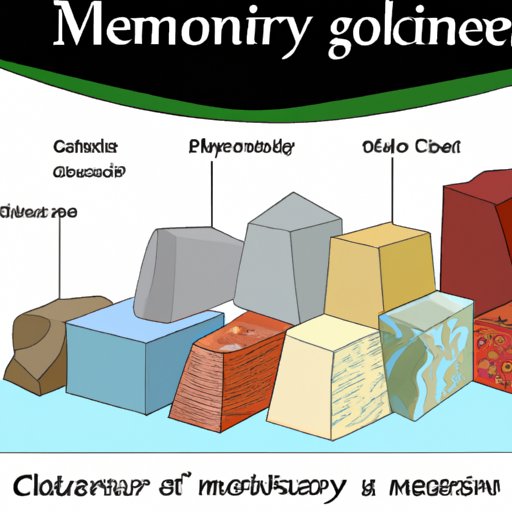
Minerals play a vital role in geology, as they provide information about the formation and evolution of the Earth. The study of minerals is known as mineralogy and dates back to the ancient Greeks. Mineralogy has since developed into a complex field that studies the properties of minerals, their occurrence and distribution, and their uses. Mineral deposits, such as gold, silver, and copper, are often mined for these valuable resources.
Minerals are used in a wide range of applications, from construction materials to electronics. They are also used in the production of glass, ceramic, and jewelry. In addition, minerals are essential for many biological processes, including photosynthesis, respiration, and digestion.
All About Rocks and Minerals: A Comprehensive Guide
Rocks and minerals are closely related, as both are made up of chemical compounds. Rocks are composed of one or more minerals, and minerals form the building blocks of rocks. Rocks can be divided into three main categories: igneous, sedimentary, and metamorphic. Igneous rocks form when molten rock (magma) cools and crystallizes, while sedimentary rocks form when particles of rock, minerals, and organic matter are deposited and compressed over time. Metamorphic rocks form when existing rocks are transformed by heat, pressure, and chemical processes.
Identifying rocks and minerals can be a complex process, as there are thousands of different types. However, there are certain characteristics that can help to distinguish one type of rock or mineral from another. For example, some minerals have a specific color, luster, or streak that can help to identify them. Rocks and minerals can also be identified by their crystal structure, chemical composition, and physical properties.
Collecting rocks and minerals is a popular hobby, and it can be an enjoyable and educational activity. Many people enjoy collecting and studying rocks and minerals for fun, while others may collect them for scientific research or commercial use. Collecting rocks and minerals can be a rewarding experience, as it allows you to learn more about the natural world.
The Chemistry of Minerals: Defining What Makes Them Unique
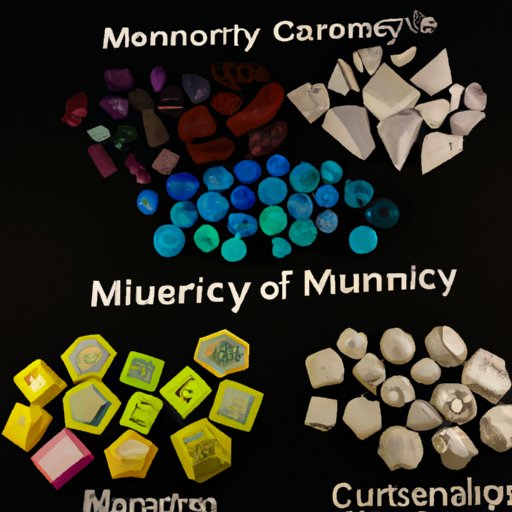
The chemical composition of minerals is what makes them unique. Minerals are composed of a variety of chemical elements, including oxygen, silicon, aluminum, iron, calcium, magnesium, potassium, and sodium. These elements combine to form different types of chemical bonds, such as covalent, ionic, and metallic bonds. Different types of bonds give minerals their unique properties, such as hardness, color, luster, and streak.
Reactions between minerals can also occur, such as when two minerals come into contact with each other and exchange ions. These reactions can result in the formation of new minerals or the alteration of existing minerals. For example, when two iron-rich minerals come into contact with each other, they can react to form magnetite, a black, magnetic mineral.
Conclusion
In conclusion, minerals are naturally occurring inorganic substances that form the building blocks of Earth. They can be found in rocks, soils, and living organisms, and they are classified according to their chemical composition, crystal structure, and physical properties. Minerals are important for a variety of reasons, from understanding the chemical composition of the Earth to identifying and collecting rocks and minerals. Finally, the chemical composition of minerals determines their unique physical properties and is what makes them so special.
(Note: Is this article not meeting your expectations? Do you have knowledge or insights to share? Unlock new opportunities and expand your reach by joining our authors team. Click Registration to join us and share your expertise with our readers.)