
Introduction
Culture is an integral part of any society and can be defined as a set of shared beliefs, values, and practices that are passed down from one generation to the next. Asia is home to a vast array of cultures, each with its own distinct history, customs, and beliefs. From ancient civilizations to contemporary cultures, Asia has a rich and diverse cultural heritage that is constantly evolving.
Exploring the Ancient Culture of Asia
Asia has been home to some of the world’s oldest civilizations, many of which have left an indelible mark on the region’s culture. Ancient societies such as the Chinese, Indian, and Persian empires have all had a lasting impact on the way people in Asia live today. Traditional practices like ancestor worship, meditation, and martial arts still exist in many parts of the continent, providing a window into the past.
Though many of these ancient customs have been adapted over time, they remain deeply rooted in the culture of many countries throughout Asia. Examples of traditional practices still observed today include Chinese New Year celebrations, Japanese tea ceremonies, and Indian Holi festivals. These rituals are a testament to the region’s long and fascinating history.

A Comparison of Contemporary and Traditional Asian Cultures
Asian cultures have changed significantly in recent years due to modernization, globalization, and the rise of technology. Many of the traditional customs and beliefs that were once widely practiced have been replaced by more modern approaches. This is especially true in larger cities where the pace of life is much faster than in rural areas.
For example, the traditional practice of arranged marriages is becoming less common in many countries across Asia, as more young couples are choosing to marry for love. Similarly, the use of technology is growing rapidly in many parts of the continent, leading to a shift in consumer behavior and the emergence of global brands.
The Role of Religion in Asian Cultures
Religion plays an important role in many Asian cultures, with the majority of the population following either Buddhism, Hinduism, or Islam. Each religion has its own set of beliefs and practices that shape the way people live their lives. From prayer and fasting to pilgrimage and charity work, religious practices are often intertwined with daily life in many parts of Asia.
Religious holidays are also an important part of the culture in many countries. For example, the Hindu festival of Diwali is celebrated annually in India, while the Islamic holiday of Eid al-Fitr marks the end of Ramadan in many Muslim countries. These events provide an opportunity for people to come together and celebrate their faith.

Exploring the Diversity of Asian Cuisines
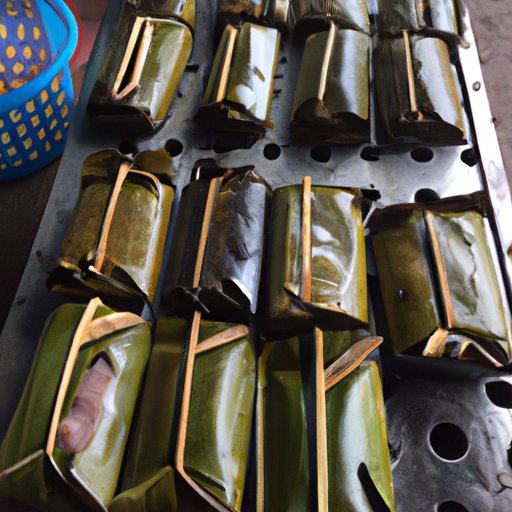
One of the best ways to experience different cultures around the world is through food. Asian cuisine is incredibly diverse, with each country having its own unique style of cooking. Popular dishes from various countries include Chinese dim sum, Indian curries, Korean kimchi, and Japanese sushi.
Trying different cuisines is a great way to learn about the culture of a particular country. Eating at local restaurants or attending food festivals is a great way to get a taste of a different culture without having to travel far.

Celebrating the Arts of Asia
Art is an integral part of any culture and is often used to express ideas or tell stories. In Asia, traditional art forms such as calligraphy, woodblock printing, and pottery have been practiced for centuries. These art forms offer insight into the history and culture of the region.
In recent years, modern influences have begun to shape the art scene in many parts of Asia. Street art, graffiti, and digital art are becoming increasingly popular, offering a new perspective on the region’s culture. Artists from all over the world are now creating pieces inspired by Asian culture, giving it a global platform.

Examining the Impact of Globalization on Asian Cultures
Globalization has had a profound effect on cultures around the world, and Asia is no exception. The emergence of global brands has led to a shift in consumer behavior, with people increasingly opting for Western products and services. This has had a significant impact on traditional customs and beliefs in many countries.
At the same time, globalization has opened up opportunities for people to experience different cultures. Technology has made it easier than ever to explore the world without leaving your own home, allowing people to gain a better understanding of different cultures and customs.
Understanding the Influence of Technology in Asian Cultures
Technology has become a fundamental part of life in many parts of Asia. From smartphones and social media to streaming services and e-commerce, digital platforms have revolutionized the way people communicate and interact with one another.
Technology has also had an impact on traditional customs and beliefs. For example, the use of online dating apps is becoming increasingly popular in many countries, providing a new way for people to find love. Similarly, online shopping has become a popular way for people to purchase goods and services from around the world.
Conclusion
Asian cultures are incredibly diverse and fascinating. From ancient civilizations and traditional customs to modern influences and technology, each country in the region has its own distinct culture. Exploring this rich and varied heritage provides a unique insight into the region’s history and the people who inhabit it.
By understanding the various cultural elements of Asia, we can gain a better appreciation of the continent’s history and identity. Whether it’s learning about religion, sampling different cuisines, or exploring the region’s art, there are countless ways to experience the culture of Asia.
(Note: Is this article not meeting your expectations? Do you have knowledge or insights to share? Unlock new opportunities and expand your reach by joining our authors team. Click Registration to join us and share your expertise with our readers.)