
Introduction
Bitcoin has become the most popular form of cryptocurrency in the world. It is a decentralized digital currency that has been gaining traction due to its low transaction fees and its ability to be used for peer-to-peer transactions. But what is the Bitcoin price? This article will explore the various factors that influence the Bitcoin price and provide an analysis of its historical trends.
Overview of Bitcoin
Bitcoin was created in 2009 by an anonymous person or group known as Satoshi Nakamoto. The software code that powers Bitcoin is open source, meaning anyone can view and modify it. The network is secured through a process called mining, which involves the use of computers to solve complex mathematical equations and verify transactions on the blockchain. Bitcoin is not regulated by any government or central bank, and it is not backed by any physical asset.
Overview of the Problem: What is the Bitcoin Price?
The price of Bitcoin is determined by a variety of factors, such as supply and demand, mining, regulations, speculation, media attention, utility, adoption, and market sentiment. These factors can cause significant volatility in the Bitcoin price. Understanding these influences can help investors make informed decisions about when to buy and sell Bitcoin.
Analyzing Bitcoin Price Trends: A Historical Perspective
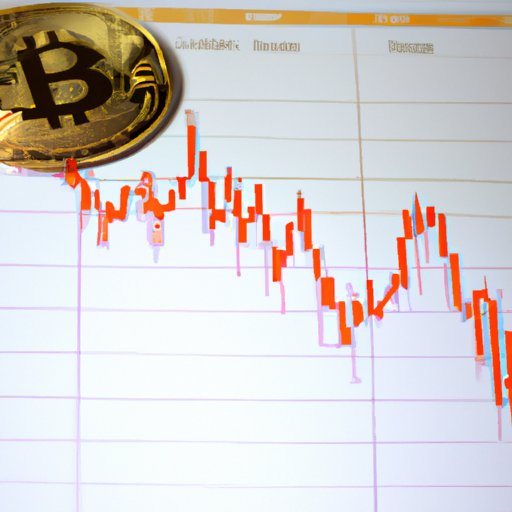
To understand the forces driving the current Bitcoin price, it is important to examine its historical trends. By looking back at the major price movements since its inception, we can gain insight into how the Bitcoin price is affected by market forces.
Examining the Major Price Movements Since Its Inception
When Bitcoin was first introduced in 2009, it had no value. However, as its usage grew, so did its price. In 2011, the Bitcoin price surged from $0.30 to over $31 in June. This marked the beginning of a long bull run that lasted until 2013, when the price reached a peak of over $1,100. After this peak, the Bitcoin price began to decline and eventually bottomed out in 2015 at around $200.
Examining the Bitcoin Price During Different Market Cycles
Since its inception, the Bitcoin price has gone through several market cycles. The first cycle occurred in 2011-2013 when the price rose from $0.30 to over $1,100. This was followed by a bear market that lasted until 2015, when the price bottomed out at around $200. Since then, the Bitcoin price has experienced several periods of volatility, with significant peaks and troughs along the way.

How the Bitcoin Price is Influenced by Market Forces
The Bitcoin price is influenced by a variety of market forces, including supply and demand, mining, regulations, speculation, media attention, utility, adoption, and market sentiment.
The Role of Supply and Demand
Like all other commodities, the Bitcoin price is determined by the forces of supply and demand. When there is high demand for Bitcoin and limited supply, the price will increase. Conversely, when the supply of Bitcoin is greater than the demand, the price will decrease.
The Influence of Mining on Price
Mining is the process of verifying transactions on the blockchain and is essential for the security and integrity of the network. As miners are rewarded with Bitcoin for their efforts, they tend to increase the supply of Bitcoin, which can put downward pressure on the price. Conversely, if the number of miners decreases, the supply of Bitcoin will decrease, resulting in higher prices.
The Impact of Regulations
Regulations can also have an effect on the Bitcoin price. If governments impose restrictions on the use of Bitcoin, it could lead to a decrease in demand and thus a decrease in price. On the other hand, if governments legalize and regulate the use of Bitcoin, it could lead to an increase in demand and a corresponding increase in price.
Exploring the Drivers Behind Bitcoin’s Volatility
In addition to the factors discussed above, there are several other drivers behind Bitcoin’s volatile price movements. These include speculation, hacking and security breaches, and media attention.
Speculation
Speculation is one of the main drivers of Bitcoin’s volatility. Many investors buy and sell Bitcoin based on speculation, without considering the underlying fundamentals of the asset. This can lead to significant price fluctuations.
Hacking and Security Breaches
Hacking and security breaches can also have a major impact on the Bitcoin price. If a major exchange is hacked, it can lead to a decrease in confidence in the security of the network, resulting in a decrease in demand and a corresponding decrease in price.
Media Attention
Media attention can also have a significant effect on the Bitcoin price. If a news story is favorable towards Bitcoin, it can lead to increased demand and a corresponding increase in price. Conversely, if a news story is negative, it can lead to decreased demand and a decrease in price.
What Factors Determine Bitcoin’s Price?
Ultimately, the price of Bitcoin is determined by a variety of factors, including utility, adoption, and market sentiment. Let’s take a closer look at each of these.
Utility
The utility of Bitcoin is determined by its usefulness as a medium of exchange. If people find it useful for buying and selling goods and services, its utility will increase, resulting in an increase in demand and a corresponding increase in price.
Adoption
Adoption is another key factor that influences the Bitcoin price. As more people adopt Bitcoin, the demand for it increases, resulting in a higher price. Conversely, if fewer people adopt Bitcoin, the demand for it decreases, resulting in a lower price.
Market Sentiment
Market sentiment is an intangible factor that can have a major impact on the Bitcoin price. If investors are optimistic about the future of Bitcoin, they may buy more of it, resulting in an increase in price. Conversely, if investors are pessimistic, they may sell off their Bitcoin, resulting in a decrease in price.
Exploring Bitcoin’s Price Movements in Recent Years
As mentioned earlier, the Bitcoin price has experienced significant volatility in recent years. Let’s take a closer look at some of the major price movements.
Examining the Upward Trend Since 2017
Since 2017, the Bitcoin price has been on a steady upward trend. This trend can be attributed to a surge in demand for Bitcoin due to increased adoption and positive market sentiment. This has resulted in a significant increase in price from around $900 in early 2017 to over $20,000 at the end of the year.
Examining the Downward Trend Since 2018
After reaching a peak of over $20,000 in December 2017, the Bitcoin price began to decline. This trend continued in 2018, with the price dropping to around $3,500 by the end of the year. This downward trend can be attributed to a decrease in demand due to a lack of utility and negative market sentiment.
Examining the Effect of Coronavirus
The coronavirus pandemic has had a significant impact on the Bitcoin price. Initially, the price dropped significantly as investors sold off their holdings in response to the economic uncertainty caused by the pandemic. However, the Bitcoin price has since recovered and is now trading at levels similar to pre-pandemic levels.
Conclusion
The Bitcoin price is determined by a variety of factors, including supply and demand, mining, regulations, speculation, media attention, utility, adoption, and market sentiment. By understanding these influences, investors can make informed decisions about when to buy and sell Bitcoin. Additionally, examining the historical price movements of Bitcoin can provide valuable insight into potential future price movements.
(Note: Is this article not meeting your expectations? Do you have knowledge or insights to share? Unlock new opportunities and expand your reach by joining our authors team. Click Registration to join us and share your expertise with our readers.)