
Introduction
Investing in precious metals has become increasingly popular over the last decade, as investors seek to diversify their portfolios and protect themselves against economic uncertainty. But what exactly are precious metals and what is the best way to invest in them? This article will provide an overview of the different ways to invest in precious metals and the associated benefits and risks.
A. Definition of Precious Metals
Precious metals are chemical elements that are rare and valuable due to their scarcity and industrial applications. They include gold, silver, platinum, palladium, and rhodium. These metals have historically been used as a store of value and a hedge against inflation, making them attractive investments for those looking to diversify their portfolios or protect their wealth.
B. Why Invest in Precious Metals?
Investing in precious metals can be a wise decision for several reasons. Firstly, they tend to retain their value better than other investments such as stocks and bonds, making them a good option for long-term investments. Secondly, precious metals are tangible assets that cannot be easily manipulated by governments or central banks, making them a safe haven in times of economic uncertainty. Finally, investing in precious metals can help to diversify your portfolio and reduce your overall risk exposure.
Main Body
A. Invest in Gold and Silver Exchange Traded Funds (ETFs)
An exchange traded fund (ETF) is an investment vehicle that tracks the price of a particular asset or group of assets. ETFs offer investors the opportunity to gain exposure to the gold and silver markets without having to physically own the metal. There are many ETFs that track the price of gold and silver, making them a convenient and cost-effective way to invest in precious metals.
1. What are ETFs?
Exchange traded funds (ETFs) are investment funds that track the performance of a particular asset or group of assets. They are traded on stock exchanges, just like stocks, and can be bought and sold in the same way. ETFs are typically composed of a basket of stocks, bonds, or commodities, allowing investors to gain exposure to multiple markets with one investment.
2. Benefits of Investing in ETFs
One of the major benefits of investing in gold and silver ETFs is that they are relatively low cost. Unlike buying physical gold or silver, ETFs do not require storage costs or insurance fees. Additionally, ETFs are highly liquid and can be bought and sold quickly, making them a great choice for those who want to take advantage of short-term market movements. Finally, ETFs are easy to buy and sell, making them accessible to even the most novice of investors.
3. Risks Involved with ETFs
Despite their many advantages, ETFs also come with some risks. As they are traded on stock exchanges, they are subject to market volatility. Additionally, ETFs may involve tracking errors, meaning that the performance of the fund may not perfectly mirror the performance of the underlying asset. Finally, ETFs may be subject to additional fees, such as management fees, which can reduce returns.
B. Buy Precious Metals Futures Contracts
Futures contracts are agreements to buy or sell an asset at a predetermined price on a future date. These contracts are often used by investors to speculate on the future price of an asset, and can also be used to hedge against price fluctuations. Futures contracts for gold and silver are available on many exchanges, allowing investors to gain exposure to the precious metals markets without owning the physical metal.
1. What are Futures Contracts?
Futures contracts are agreements to buy or sell an asset at a predetermined price on a future date. These contracts can be used to speculate on the future price of an asset or to hedge against price fluctuations. Futures contracts are traded on exchanges, and the terms of the contract are standardized in order to ensure fairness and transparency.
2. Benefits of Investing in Futures Contracts
Futures contracts offer several advantages to investors. Firstly, they allow investors to gain exposure to the gold and silver markets without having to purchase the physical metal. Secondly, they are highly liquid and can be bought and sold quickly, making them a great choice for those who want to take advantage of short-term market movements. Finally, futures contracts are relatively low cost, as traders only need to pay the margin requirement to open a position.
3. Risks Involved with Futures Contracts
Despite their many advantages, futures contracts also come with some risks. Firstly, they are subject to market volatility, so prices can move quickly and unexpectedly. Additionally, futures contracts involve leverage, so losses can be magnified if the market moves against the trader’s position. Finally, futures contracts require a high degree of knowledge and experience, so they may not be suitable for all investors.
C. Purchase Physical Gold or Silver Bullion
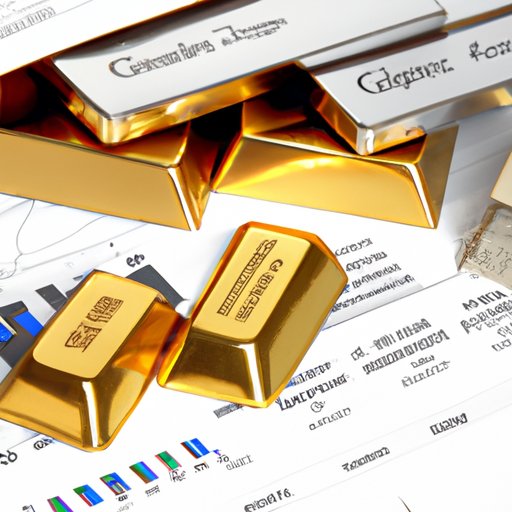
Buying physical gold or silver bullion is one of the oldest and most popular ways to invest in precious metals. Physical bullion is available in many forms, including coins, bars, and rounds, and can be purchased from dealers, mints, and other sources.
1. Benefits of Investing in Bullion
Investing in physical gold or silver bullion offers several benefits. Firstly, it allows investors to own the physical metal, giving them direct control over their investment. Secondly, it can be stored safely in a home vault or bank safe deposit box, eliminating the need for costly storage fees. Finally, physical bullion can be sold or exchanged quickly and easily, making it a great choice for investors who want to take advantage of short-term market movements.
2. Risks Involved with Investing in Bullion
While investing in physical gold or silver bullion can be rewarding, it also carries certain risks. Firstly, it requires a large amount of capital, as the price of the bullion must be paid upfront. Secondly, it is subject to theft or damage, so it must be stored securely. Finally, the price of the bullion is subject to market fluctuations, so investors must be prepared for potential losses.
D. Invest in Gold Mining Companies
Gold mining companies are businesses that mine and process gold ore, and they offer investors the opportunity to gain exposure to the gold market without having to own the physical metal. Gold mining companies can be publicly listed on stock exchanges, or they can be privately owned.
1. What are Gold Mining Companies?
Gold mining companies are businesses that mine and process gold ore. These companies typically operate large mines and employ a workforce of miners and engineers. Gold mining companies can be publicly listed on stock exchanges, or they can be privately owned. Investing in gold mining companies is a way for investors to gain exposure to the gold market without owning the physical metal.
2. Benefits of Investing in Gold Mining Companies
Investing in gold mining companies offers several advantages. Firstly, it provides investors with exposure to the gold market without having to own the physical metal. Secondly, gold mining companies are typically well-managed and profitable, offering investors the potential for long-term growth. Finally, investing in gold mining companies can provide investors with access to professional management and advice, making them a great choice for those who lack the time or expertise to manage their own investments.
3. Risks Involved with Investing in Gold Mining Companies
Despite their many advantages, investing in gold mining companies also carries certain risks. Firstly, these companies are subject to market volatility, so their share prices can fluctuate significantly. Secondly, gold mining companies are exposed to operational risks, such as changes in commodity prices, political instability, and natural disasters. Finally, gold mining companies are subject to regulatory risks, such as changes in environmental regulations or taxation policies.
E. Invest in Gold and Silver Mutual Funds
Gold and silver mutual funds are investment funds that hold a portfolio of gold and silver related investments. These funds are professionally managed and offer investors the opportunity to gain exposure to the gold and silver markets without having to purchase the physical metal.
1. What are Gold and Silver Mutual Funds?
Gold and silver mutual funds are investment funds that hold a portfolio of gold and silver related investments. These funds are typically composed of stocks, bonds, and other securities that are related to the gold and silver markets. They are professionally managed, providing investors with access to expert insight and advice.
2. Benefits of Investing in Gold and Silver Mutual Funds
Investing in gold and silver mutual funds offers several advantages. Firstly, it allows investors to gain exposure to the gold and silver markets without having to purchase the physical metal. Secondly, these funds are professionally managed, so investors benefit from the expertise of experienced fund managers. Finally, investing in gold and silver mutual funds is relatively low cost, as these funds typically charge lower fees than actively managed funds.
3. Risks Involved with Investing in Gold and Silver Mutual Funds
Despite their many advantages, gold and silver mutual funds also carry certain risks. Firstly, these funds are subject to market volatility, so their share prices can fluctuate significantly. Secondly, they are exposed to operational risks, such as changes in commodity prices, political instability, and natural disasters. Finally, these funds may be subject to additional fees, such as management fees, which can reduce returns.
F. Utilize Precious Metals-Backed IRA Accounts
Precious metals-backed IRA accounts are retirement accounts that allow investors to invest in physical gold or silver without incurring taxes on capital gains. These accounts are offered by many financial institutions and can be a great way for investors to gain exposure to the gold and silver markets while also saving for retirement.
1. What are Precious Metals-Backed IRA Accounts?
Precious metals-backed IRA accounts are retirement accounts that allow investors to invest in physical gold or silver without incurring taxes on capital gains. These accounts are offered by many financial institutions and typically allow investors to purchase gold and silver coins, bars, and rounds. They are a great way for investors to gain exposure to the gold and silver markets while also saving for retirement.
2. Benefits of Investing in Precious Metals-Backed IRA Accounts
Investing in precious metals-backed IRA accounts offers several advantages. Firstly, these accounts allow investors to gain exposure to the gold and silver markets without incurring taxes on capital gains. Secondly, these accounts offer the potential for long-term growth, as the value of the metals held in the account will appreciate over time. Finally, these accounts are backed by the federal government, so investors can rest assured that their investments are safe.
3. Risks Involved with Investing in Precious Metals-Backed IRA Accounts
Despite their many advantages, precious metals-backed IRA accounts also come with certain risks. Firstly, these accounts are subject to market volatility, so their value can fluctuate significantly. Secondly, these accounts may be subject to additional fees, such as management fees, which can reduce returns. Finally, the performance of the account is dependent on the performance of the underlying asset, so investors must be prepared for potential losses.
Conclusion
of the Different Ways to Invest in Precious Metals
There are many different ways to invest in precious metals, including Exchange Traded Funds, futures contracts, physical bullion, gold mining companies, gold and silver mutual funds, and precious metals-backed IRA accounts. Each of these options has its own advantages and risks, so investors should carefully consider which option is best suited to their individual needs and circumstances.
B. Final Thoughts on Investing in Precious Metals
Investing in precious metals can be a wise decision for those looking to diversify their portfolios or protect their wealth. However, it is important to understand the different ways to invest in precious metals and the associated risks before taking the plunge. By researching the different options and learning about the benefits and risks involved, investors can make informed decisions and maximize their chances of success.
(Note: Is this article not meeting your expectations? Do you have knowledge or insights to share? Unlock new opportunities and expand your reach by joining our authors team. Click Registration to join us and share your expertise with our readers.)