
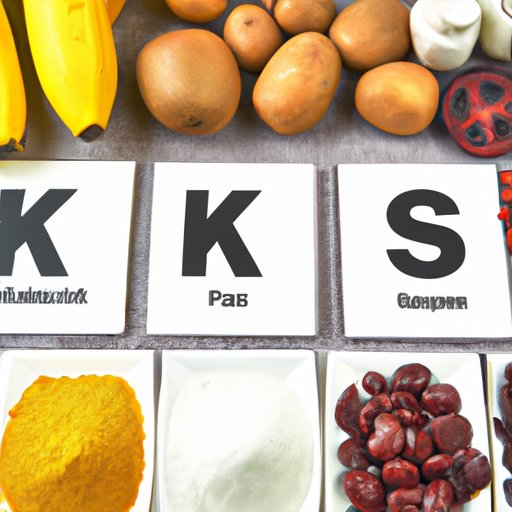

Creating a Renal Diet: An Overview
A renal diet is a special diet designed for individuals who have chronic kidney disease or are at risk for developing it. The purpose of a renal diet is to help manage the amount of potassium, phosphorus and sodium in their diet. The goal is to reduce the strain on their kidneys and help maintain healthy levels of these nutrients in the body.
A renal diet is typically recommended by a healthcare professional such as a dietitian, doctor or nurse. This type of diet is usually prescribed for people with chronic kidney disease, as well as those who are at risk for developing it. It’s important to note that a renal diet isn’t just for people with kidney disease, but can also be beneficial for those looking to improve their overall kidney health.

Eating for Kidney Health: What to Include in a Renal Diet
When following a renal diet, it’s important to focus on foods that are low in potassium, phosphorus and sodium. Foods to include in a renal diet include lean proteins, whole grains, fruits and vegetables. Eating a variety of these foods will help ensure you’re getting all the essential nutrients your body needs while also keeping your potassium, phosphorus and sodium intake under control.
In addition to focusing on foods that are low in potassium, phosphorus and sodium, there are some dietary changes that can help improve kidney health. For example, limiting processed and packaged foods can help reduce the amount of sodium in your diet. Additionally, drinking plenty of water throughout the day can help flush out excess waste from the body. Lastly, eating smaller meals throughout the day can help keep your blood sugar levels stable.

Understanding the Pros and Cons of a Renal Diet
Following a renal diet comes with both benefits and potential risks. On the one hand, a renal diet can help reduce the workload on the kidneys and help keep potassium, phosphorus and sodium levels within a healthy range. On the other hand, if not followed correctly, a renal diet can lead to nutrient deficiencies, as it can be difficult to get enough vitamins and minerals without consuming certain high-potassium foods.
That said, it’s important to work closely with a healthcare professional when creating a renal diet. They can help you create a balanced, nutritious diet that meets your individual needs and keeps your kidney health in check.
Managing Potassium, Phosphorus and Sodium Intake on a Renal Diet
When following a renal diet, it’s important to pay close attention to your potassium, phosphorus and sodium intake. These three nutrients are especially important for people with chronic kidney disease, as they can cause further damage to the kidneys if consumed in excess. Here’s how to manage each one:
How to manage potassium intake: To keep your potassium intake under control, it’s important to limit high-potassium foods such as bananas, oranges, potatoes and spinach. Instead, opt for lower-potassium alternatives such as apples, pears, carrots and white rice.
How to manage phosphorus intake: To keep your phosphorus intake under control, it’s important to limit high-phosphorus foods such as dairy products, red meat, nuts and seeds. Instead, opt for lower-phosphorus alternatives such as fish, eggs, poultry and legumes.
How to manage sodium intake: To keep your sodium intake under control, it’s important to limit processed and packaged foods, as well as added salt. Instead, opt for fresh foods and season them with herbs and spices to add flavor.
Exploring the Benefits of a Renal Diet
In addition to helping manage potassium, phosphorus and sodium levels, there are several other benefits associated with following a renal diet. Here are a few of the most important ones:
The importance of monitoring your fluid intake: Fluid intake is an important part of a renal diet, as it helps flush out excess waste from the body. It’s important to monitor your fluid intake and make sure you’re drinking enough water throughout the day.
The benefits of eating a healthy, balanced diet: Eating a balanced diet is key to maintaining good health. A renal diet can help you do this by providing a wide variety of nutritious foods. This can help you get all the essential vitamins and minerals your body needs to function properly.
The importance of making dietary adjustments as needed: As your kidney health changes, it’s important to make adjustments to your diet as needed. Working with a healthcare professional can help you stay on track and ensure your diet is still meeting your individual needs.
Tips for success on a renal diet: Following a renal diet can be challenging, but there are several steps you can take to make it easier. Start by planning ahead and preparing meals in advance. You can also look for creative ways to add flavor to your meals without adding too much sodium. Finally, don’t forget to stay hydrated and get plenty of exercise.
Conclusion
A renal diet can be a helpful tool for managing potassium, phosphorus and sodium levels in your body. By understanding which foods to include and avoid, as well as making necessary dietary adjustments, you can help promote kidney health and maintain healthy levels of these nutrients. Be sure to work with a healthcare professional to ensure your diet is meeting your individual needs.
(Note: Is this article not meeting your expectations? Do you have knowledge or insights to share? Unlock new opportunities and expand your reach by joining our authors team. Click Registration to join us and share your expertise with our readers.)