
Introduction
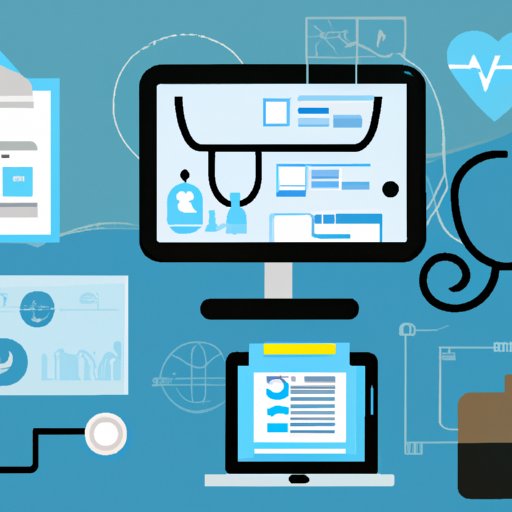
Medical office technology is a term used to describe any type of technology or software used in a healthcare setting. From electronic health records (EHRs) to telemedicine, medical office technology is an ever-evolving field that is changing how we deliver and receive healthcare. In this article, we’ll explore the different types of medical office technology, how it impacts health care, and what the future of medical office technology looks like.
Exploring Medical Office Technology: What It Is and How It Impacts Health Care
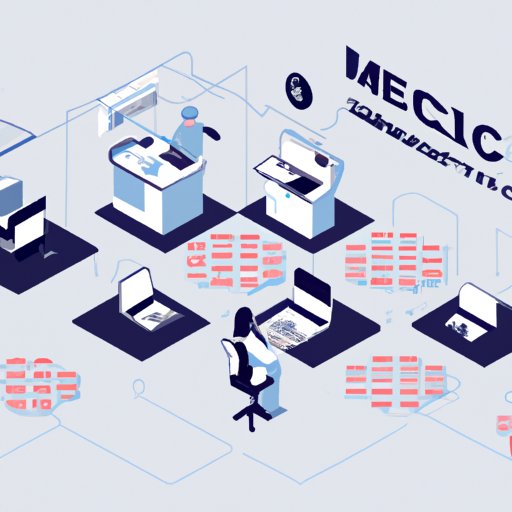
First, let’s define what medical office technology is. Medical office technology is any type of technology or software used in a healthcare setting to streamline processes, increase efficiency, and improve the quality of care. This includes tools such as patient portals, automated appointment reminders, and telemedicine platforms. Medical office technology can also include hardware such as tablets and computers used for patient documentation and other administrative tasks.
Now that we have a better understanding of what medical office technology is, let’s look at how it impacts health care. Medical office technology has revolutionized the way healthcare is delivered and received. By streamlining administrative tasks, providing easier access to patient information, and improving communication between providers and patients, medical office technology has transformed the healthcare industry.
The Benefits of Modern Medical Office Technology
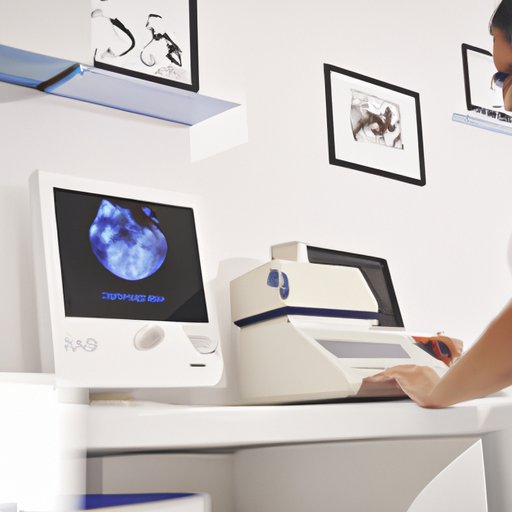
Modern medical office technology offers a variety of benefits, including increased efficiency, improved safety, and enhanced accessibility. Improved efficiency means less time spent on paperwork and more time spent on patient care. Increased accessibility makes it easier for patients to access their health records, schedule appointments, and communicate with their providers. Finally, enhanced safety protocols ensure that patient data is secure and protected from unauthorized access.
An Overview of Medical Office Technology: Streamlining Patient Care
Medical office technology can help streamline patient care in a number of ways. Automation of administrative tasks such as appointment scheduling, billing, and record keeping can save time and reduce errors. Electronic health records (EHRs) make it easier to store, access, and share patient information securely. Telemedicine platforms allow patients to connect with their providers remotely, reducing wait times and improving access to care.
A Guide to Selecting the Right Medical Office Technology for Your Practice
When selecting medical office technology for your practice, it’s important to assess your needs, consider budget constraints, and find the right vendor. Start by assessing your needs. Consider the types of services you provide and the type of patient population you serve. Next, consider budget constraints. Find out what your practice can afford and research vendors to find the best option for your budget. Finally, find the right vendor. Look for a vendor that is experienced in the type of technology you need and has a good reputation in the industry.

How Automation is Changing Medical Office Technology
Automation is one of the most significant changes impacting medical office technology today. Automation tools can be used to streamline administrative tasks such as appointment scheduling and billing. Artificial intelligence (AI) and machine learning (ML) are also being used to automate certain tasks and improve accuracy. For example, AI can be used to identify patterns in data, while ML can be used to improve decision-making.
The Future of Medical Office Technology: What We Can Expect
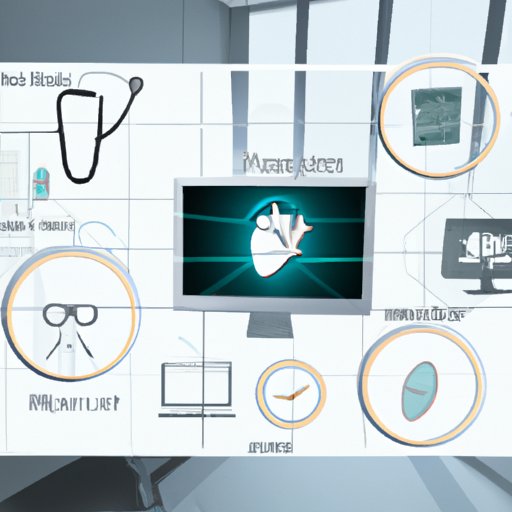
The future of medical office technology is bright. We can expect to see even more automation of administrative tasks, greater accessibility for patients and providers, and improved quality of care. Automation will continue to reduce errors and save time, while greater accessibility will make it easier for patients to access their health information and connect with their providers. Finally, improved quality of care will be driven by advances in medical office technology and the use of data to inform decisions.
The Role of Medical Office Technology in Ensuring Quality Care
Medical office technology plays a critical role in ensuring quality care. Accurate documentation is essential for providing the best possible care. Quality assurance measures can help ensure that all procedures and protocols are followed correctly. Finally, improved communication between providers and patients can help ensure that everyone is on the same page and that the patient receives the care they need.
Conclusion
In conclusion, medical office technology is an ever-evolving field that is transforming healthcare. From automation to electronic health records to telemedicine, medical office technology has revolutionized the way healthcare is delivered and received. The benefits of modern medical office technology include increased efficiency, improved safety, and enhanced accessibility. As automation continues to change the landscape of medical office technology, we can expect to see more automation, greater accessibility, and improved quality of care. Medical office technology plays a critical role in ensuring quality care by providing accurate documentation, quality assurance, and improved communication.
(Note: Is this article not meeting your expectations? Do you have knowledge or insights to share? Unlock new opportunities and expand your reach by joining our authors team. Click Registration to join us and share your expertise with our readers.)