
Introduction
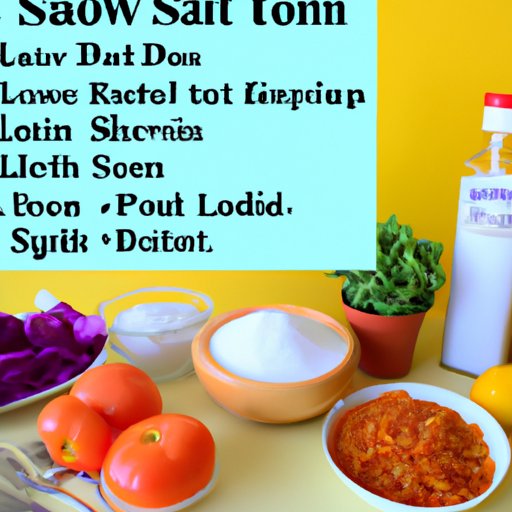
A low sodium diet is a diet that restricts the total amount of sodium consumed in a day. The average American consumes more than twice the recommended daily allowance of sodium, which puts them at an increased risk for high blood pressure, stroke, and other health concerns. Eating a low sodium diet can help reduce your risk of these health issues and improve your overall health.
Definition of a Low Sodium Diet
The American Heart Association recommends limiting sodium intake to no more than 2,300 milligrams per day. For those with existing high blood pressure, doctors may recommend a stricter limit of 1,500 milligrams per day. A low sodium diet means eating foods that are lower in sodium and avoiding processed foods that are high in salt.
Benefits of a Low Sodium Diet
Eating a low sodium diet has many benefits, including reducing your risk of developing high blood pressure or heart disease. Studies have shown that people who eat a low sodium diet have lower blood pressure levels than those who consume higher amounts of sodium. A low sodium diet also helps to reduce water retention, which can lead to bloating and weight gain. Additionally, a low sodium diet can help prevent certain types of cancer, such as stomach cancer.
Tips for Making Low Sodium Meals
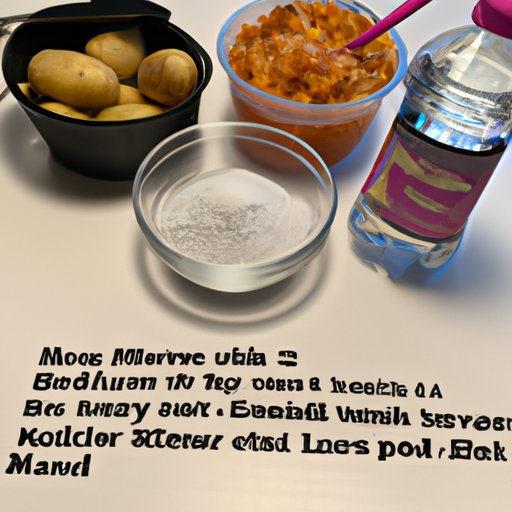
Making meals that are low in sodium doesn’t have to be difficult. Here are some tips to help you make healthier meals:
Substitute Ingredients
When cooking meals at home, it’s easy to substitute ingredients to make them lower in sodium. Instead of using table salt, opt for herbs and spices to flavor dishes. You can also use salt-free seasonings, like Mrs. Dash, or low-sodium versions of sauces, like soy sauce or Worcestershire sauce.
Use Herbs and Spices
Using herbs and spices is a great way to add flavor to dishes without adding sodium. Try using garlic powder, onion powder, oregano, basil, rosemary, parsley, and cumin to enhance the flavor of your meals. Keep in mind that some herbs and spices contain trace amounts of sodium, so check the labels before purchasing.
Choose Fresh Foods
Fresh foods are naturally lower in sodium and often have more vitamins and minerals than their processed counterparts. Whenever possible, choose fresh fruits, vegetables, and lean proteins instead of canned or frozen options. If you do choose canned or frozen items, look for those labeled “no salt added” or “low sodium.”
Low Sodium Recipes to Try
Cutting down on sodium doesn’t mean sacrificing flavor. Here are some delicious recipes to get you started:
Breakfast
Try this Low Sodium Southwest Breakfast Burrito. It’s sure to keep you full until lunchtime!
Lunch
This Low Sodium Tuna Salad Sandwich is a healthy and satisfying lunch option.
Dinner
For dinner, try this Low Sodium Chicken Piccata. It’s sure to be a hit with the family!
Common Foods High in Sodium
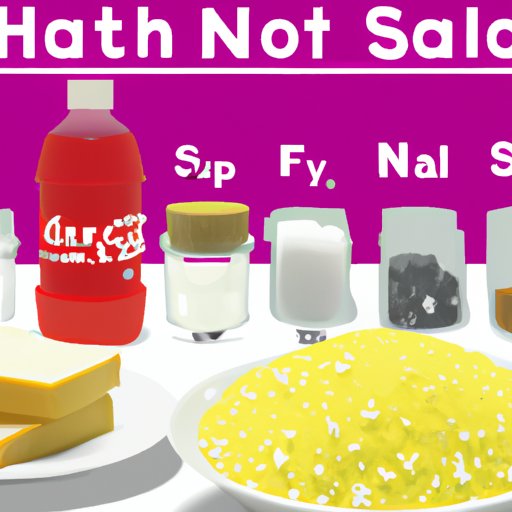
It’s important to be aware of which foods are high in sodium so you can avoid them. Some of the most common sources of sodium are:
Packaged Food
Many packaged snacks, such as chips, pretzels, and crackers, contain high amounts of sodium. Processed meats, like hot dogs and bacon, are also high in sodium.
Canned Soup
Canned soups are convenient, but they are often high in sodium. Check the labels before buying and opt for lower sodium varieties when possible.
Processed Meats
Processed meats, such as deli meats, sausage, and ham, are usually very high in sodium. Opt for fresh cuts of meat or poultry instead.
Shopping for Low Sodium Options at the Grocery Store
When shopping for groceries, it’s important to read the labels to make sure you’re getting low sodium options. Here are some tips to help you shop smarter:
Read Labels
Check the nutrition facts label for the sodium content of each food item. Look for foods labeled “low sodium” or “no salt added.”
Choose Whole Foods
Whole foods, such as fruits, vegetables, and lean proteins, are naturally lower in sodium. Focus on filling your cart with these items rather than processed foods.
Check for Sodium Alternatives
Look for products that offer lower sodium alternatives, such as reduced-sodium soups or low-sodium condiments. These can help you reduce your sodium intake without sacrificing flavor.
Conclusion
A low sodium diet can help reduce your risk of high blood pressure and other health concerns. By making simple changes to your diet, such as substituting ingredients and choosing fresh foods, you can easily incorporate a low sodium diet into your lifestyle.
(Note: Is this article not meeting your expectations? Do you have knowledge or insights to share? Unlock new opportunities and expand your reach by joining our authors team. Click Registration to join us and share your expertise with our readers.)