
Introduction
Literature in the arts refers to the use of literary elements or techniques in works of art such as painting, sculpture, music, dance, theater, film, and architecture. It is an integral part of many art forms and can be seen in works from all periods of history. This article will explore the role of literature in the arts, looking at its historical roots, the ways it is used in visual arts, music, performance arts, and film, and the impact it has had on architecture.
A Historical Perspective on Literature in the Arts
The use of literature in the arts can be traced back to ancient times, when stories and myths were depicted in paintings and sculptures. In the Middle Ages and Renaissance, literary works often served as the basis for artwork, with artists creating visual representations of famous stories and characters from literature. During this time, literature was also used to create allegorical works, which conveyed moral messages through symbolism.
In modern times, literature continues to play an important role in the arts. Writers, painters, sculptors, musicians, and other artists have drawn inspiration from literature, creating works that are rooted in the written word. Literary themes and symbols have been used in a variety of art forms to express ideas, emotions, and stories.
Exploring the Role of Literature in Visual Arts
Visual art can provide a powerful platform for conveying literary works and themes. Paintings, sculptures, and other types of visual media often incorporate literary ideas and motifs in their designs. For example, many Renaissance paintings depict scenes and characters from popular literary works, such as Dante’s Divine Comedy or Shakespeare’s plays. These works of art serve as visual interpretations of the written word, allowing viewers to connect with the stories and characters in a new way.
In addition to depicting scenes and characters from literature, visual art can also convey literary themes and ideas. Many works of art contain subtle references to books, poems, and other written works, offering viewers a deeper understanding of the artist’s message. For example, some abstract paintings may be inspired by the writings of philosophers or poets, while others may feature motifs from classic literature. By incorporating literary elements into their work, artists can give viewers a unique insight into their own perspectives.

An Analysis of Literary Techniques Used in Art
In addition to using literary works as a source of inspiration, artists can also use literary techniques to create more powerful works of art. Metaphors, similes, and other literary devices can be used to convey complex ideas and emotions in a more direct and effective way. For example, a painter may use metaphors to illustrate a particular concept or feeling in his or her work, while a sculptor may use similes to highlight certain details. By employing these techniques, artists can create works of art that are both visually appealing and intellectually stimulating.
Language is also an important tool for expression in visual arts. By combining words and images, artists can create powerful messages that speak to the viewer on multiple levels. In some cases, words may be used as a central element in a work of art, while in other cases they may simply serve as a complement to the visual components. Either way, language can be used to enhance the overall impact of a piece of art.
The Intersection of Literature and Music
Music is another art form that has been heavily influenced by literature. Many songs contain lyrical content that draws upon literary works and themes, while others employ literary structures such as meter and rhyme. Artists often use literary devices to create vivid imagery and memorable melodies, allowing them to convey powerful messages through their music.
In addition to lyrical content, composers have also been known to draw upon literary sources for structural inspiration. For example, many pieces of classical music are based on narrative structures from literature, such as the story of Orpheus from Greek mythology or the medieval French poem La Chanson de Roland. By utilizing these structures, composers can bring a greater sense of depth and meaning to their compositions.
How Literature Influences Performance Arts
Performance arts such as theater, dance, and opera have also been shaped by literature. Plays and musicals often draw upon literary works as source material, while choreographers may use poems or stories as inspiration for their dances. Even operas, which are usually based on original stories, often incorporate aspects of existing works of literature.
In addition to providing source material, literature also serves as a tool for expression in performance arts. Actors and dancers often use text to convey emotions and ideas, while musicians may draw upon literary works for lyrical inspiration. By utilizing these techniques, performers can create powerful and meaningful performances that resonate with audiences.
Examining the Relationship Between Literature and Film
Film is another art form that has been deeply influenced by literature. Many films are adapted from books, poems, and other written works, allowing viewers to experience these stories in a new and exciting way. In some cases, filmmakers may choose to stay true to the original source material, while in other cases they may take creative liberties to create a more cinematic experience.
In addition to adapting literary works, filmmakers also use literary techniques to craft their screenplays. Just like writers, directors can employ metaphors, similes, and other literary devices to create powerful visuals and memorable dialogue. By utilizing these techniques, filmmakers can create films that are both entertaining and thought-provoking.
The Impact of Literature on Architecture
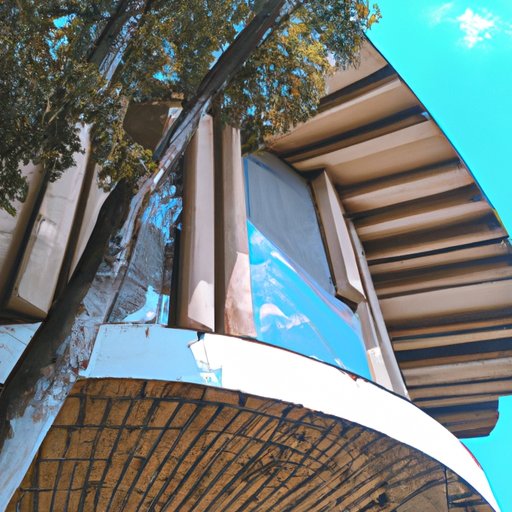
Finally, literature has had a profound impact on the field of architecture. Architects often draw upon literary works for inspiration, incorporating references to books, poems, and other written works into their designs. Literary imagery can be seen in everything from the columns of ancient temples to the facades of modern skyscrapers.
In addition to being used as a source of inspiration, literature can also be used as a tool for expression in architecture. By combining words and images in their designs, architects can create buildings that are more evocative and meaningful. In some cases, entire buildings may be designed around a specific literary theme, while in other cases, literary elements may be used to enhance the overall impact of a structure.
Conclusion
As this article has shown, literature has played an important role in the development of the arts throughout history. From visual arts to music, performance arts, film, and architecture, literature has provided a powerful source of inspiration and expression. By drawing upon the written word, artists can create works that are both visually appealing and intellectually stimulating, allowing them to convey their ideas and emotions in a more meaningful way.
(Note: Is this article not meeting your expectations? Do you have knowledge or insights to share? Unlock new opportunities and expand your reach by joining our authors team. Click Registration to join us and share your expertise with our readers.)