
Introduction
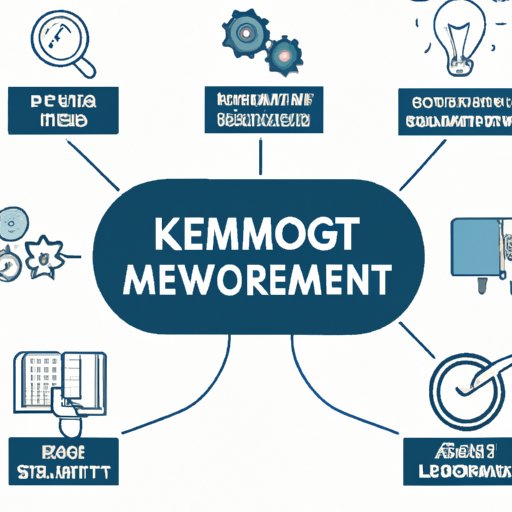
Knowledge management (KM) is a process that involves the collection, organization, storage, and use of information within an organization. It is designed to help businesses maximize the value of their knowledge resources, such as employee expertise and data, in order to improve operational efficiency and decision-making capabilities. In this article, we will explore what knowledge management is and how it can be used to improve business processes and enhance decision making.
Exploring Knowledge Management: What Businesses Need to Know
Knowledge management involves the capture, analysis, and sharing of information in order to increase organizational efficiency and effectiveness. KM systems are designed to store, organize, and share information among employees, customers, and partners. These systems enable organizations to leverage their knowledge resources, including human capital and data, to make better decisions and optimize processes.
Components of Knowledge Management
The core components of knowledge management are typically organized into three categories: people, processes, and technology. People are the individuals who possess the knowledge and skills to generate, collect, and share information. Processes refer to the methods used to capture, analyze, and disseminate knowledge. Technology encompasses the tools and systems used to store, manage, and access knowledge.
Types of Knowledge Management Systems
Knowledge management systems come in many forms, from simple document sharing platforms to more complex enterprise solutions. The type of system chosen will depend on the needs of the organization, such as the size of the business and the complexity of the knowledge it needs to manage. Popular types of knowledge management systems include content management systems, intranets, wikis, blogs, and social networks.
Leveraging Knowledge Management to Improve Business Processes
One of the primary goals of knowledge management is to improve business processes by leveraging existing knowledge resources. By capturing and sharing information, companies can reduce costs and increase efficiency.
How Knowledge Management Enhances Efficiency
Knowledge management can help organizations streamline processes and reduce time spent on mundane tasks. For example, with a KM system in place, employees can quickly access the information they need to complete a task without having to search for it. This saves time and reduces the risk of errors. Additionally, knowledge management can help organizations identify areas where processes can be improved, leading to increased efficiency and productivity.
Tools Used to Facilitate Knowledge Management
In addition to the core components of knowledge management, there are several tools and technologies that can be used to facilitate the process. These tools range from basic document sharing platforms to more advanced enterprise solutions. Common tools include content management systems, intranets, wikis, blogs, and social networks. Each of these tools has its own set of features and capabilities, so it’s important to select the right one for your organization’s needs.
Using Knowledge Management to Enhance Decision Making
Knowledge management can also be used to enhance decision making. By leveraging data and insights, organizations can make more informed decisions that are based on evidence. Additionally, KM systems can help organizations develop a systematic approach to decision making, which can result in better outcomes.
Implementing a Systematic Approach to Decision Making
A systematic approach to decision making involves gathering and analyzing relevant data, considering multiple perspectives, and using critical thinking to evaluate potential options. By leveraging a KM system, organizations can quickly access the data and insights they need to make informed decisions. Additionally, KM systems can help organizations consider different points of view by encouraging collaboration and communication among team members.
Benefits of Utilizing Knowledge Management
Utilizing knowledge management can have numerous benefits, including improved accuracy and consistency of decisions, increased speed of decision making, and reduced risk of errors. Additionally, knowledge management can help organizations identify areas of improvement that can lead to increased efficiency and cost savings.
The Benefits of Implementing a Knowledge Management System
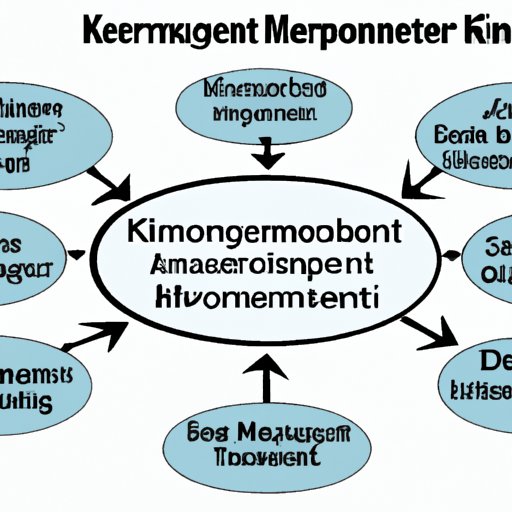
Implementing a knowledge management system can provide numerous benefits for businesses, including improved collaboration, increased productivity, and enhanced customer service.
Improved Collaboration
Knowledge management systems can help teams collaborate more effectively by providing a centralized platform for sharing information. This can help teams stay on the same page, reduce miscommunication, and ensure that everyone has access to the latest information.
Increased Productivity
KM systems can also help organizations increase their productivity by reducing the time spent searching for information and eliminating redundant tasks. Additionally, KM systems can help teams identify areas of improvement that can lead to increased efficiency.
Enhanced Customer Service
By leveraging a KM system, organizations can provide customers with more accurate and timely responses. This can help build customer loyalty and trust, which can lead to increased sales and revenue.

How to Create an Effective Knowledge Management Strategy
Creating an effective knowledge management strategy requires careful planning and consideration. Here are some steps that organizations should take when developing a KM strategy:
Identifying Opportunities for Improvement
The first step in creating a knowledge management strategy is to identify areas where knowledge management can improve processes and enhance decision making. This can be done by conducting an audit of existing processes and identifying areas where improvements can be made.
Establishing Goals and Objectives
Once opportunities for improvement have been identified, organizations should set goals and objectives that they want to achieve with knowledge management. This will help guide the development of the strategy and ensure that the desired outcomes are achieved.
Designing the Knowledge Management System
Once goals and objectives have been established, organizations can begin designing their knowledge management system. This includes selecting the appropriate tools and technologies, as well as establishing policies and procedures for using the system. It is important to involve all stakeholders in the design process to ensure that the system meets the needs of the organization.

Best Practices for Developing a Knowledge Management Program
Developing a successful knowledge management program requires planning, commitment, and training. Here are some best practices to keep in mind when developing a knowledge management program:
Training Employees
It is important to ensure that employees are properly trained on how to use the knowledge management system. This includes teaching them how to access and use the system, as well as how to contribute to the knowledge base.
Developing Policies and Procedures
Organizations should also establish policies and procedures for using the knowledge management system. This includes guidelines for accessing and contributing to the system, as well as rules for maintaining the system.
Measuring Performance
Finally, organizations should measure the performance of their knowledge management system to ensure that it is meeting the goals and objectives set forth in the strategy. This can be done by tracking usage metrics and measuring the impact of the system on key business processes.
Conclusion
Knowledge management is a powerful tool that can help organizations maximize their knowledge resources and improve business processes. By leveraging KM systems, organizations can reduce costs and increase efficiency. Additionally, KM systems can be used to enhance decision making and provide customers with better service. When developing a knowledge management strategy, it is important to consider the core components, types of systems, tools, and best practices.
Summary of Key Points
In summary, knowledge management is a process that involves the collection, organization, storage, and use of information within an organization. It is designed to help businesses maximize the value of their knowledge resources, such as employee expertise and data, in order to improve operational efficiency and decision-making capabilities. Leveraging knowledge management can help organizations streamline processes, reduce time spent on mundane tasks, and make more informed decisions. Additionally, implementing a KM system can provide numerous benefits, including improved collaboration, increased productivity, and enhanced customer service. When developing a knowledge management strategy, it is important to consider the core components, types of systems, tools, and best practices.
Further Resources for Learning About Knowledge Management
For more information about knowledge management, check out the following resources:
- Knowledge Management Institute: https://www.kminstitute.org/
- Gartner: https://www.gartner.com/en/information-technology/glossary/knowledge-management-km
- Harvard Business Review: https://hbr.
(Note: Is this article not meeting your expectations? Do you have knowledge or insights to share? Unlock new opportunities and expand your reach by joining our authors team. Click Registration to join us and share your expertise with our readers.)