
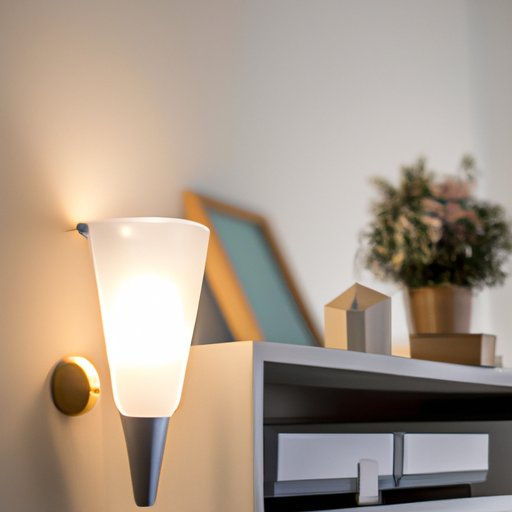
Introduction
Interior design is the art and science of enhancing the interior of a building to achieve a healthier and more aesthetically pleasing environment for the people who use the space. From understanding the principles of interior design to exploring different styles and trends, this article will cover all the basics of interior design.
The purpose of this article is to provide readers with a comprehensive overview of interior design. It is intended for anyone interested in learning more about the process of creating a beautiful and functional living space. Whether you’re looking to spruce up your own home or you’re hiring a professional designer, this article will help you understand the fundamentals of interior design.

The Basics of Interior Design: What You Need to Know
Before diving into different styles and trends in interior design, it’s important to understand the basics. There are several core principles that form the foundation of good interior design.
Understanding the Principles of Interior Design
The first step in designing any space is to understand the principles of interior design. According to the American Society of Interior Designers (ASID), these principles include balance, unity, contrast, rhythm, proportion, and scale. Balance refers to the distribution of visual weight in a room, while unity is the sense of continuity throughout the space. Contrast involves using different elements to create visual interest, while rhythm uses repetition to create a sense of movement. Proportion refers to the relationship between the size of objects, and scale is the size of objects relative to each other.
Elements of Good Interior Design
In addition to the principles of interior design, there are also certain elements that can help create a successful design. These elements include line, shape, form, space, light, color, texture, and pattern. Line refers to the linear elements used in a design, such as walls and furniture. Shape is the two-dimensional form of an object, while form is the three-dimensional representation of an object. Space is the area between and around objects, while light is the illumination of a space. Color is the hue of an object, while texture is the surface quality of an object. Finally, pattern is the combination of shapes and colors used to create a visual effect.
Choosing the Right Colors and Materials
In order to create a successful design, it’s important to choose the right colors and materials. According to a study published in the Journal of Interior Design, the choice of colors and materials can have a significant impact on the user experience of a space. The study found that warm colors tend to be more inviting and calming, while cool colors can be more energizing. In terms of materials, natural materials such as wood and stone can add a sense of warmth and comfort, while synthetic materials such as metal and plastic can be more modern and contemporary.
Exploring Different Styles and Trends in Interior Design
Once you understand the basics of interior design, you can start to explore different styles and trends. From traditional to contemporary, there are countless options when it comes to decorating a space.
Traditional vs. Contemporary Interior Design
One of the most common distinctions in interior design is between traditional and contemporary styles. Traditional design typically features classic furnishings, neutral colors, and ornamental details. On the other hand, contemporary design emphasizes clean lines, bright colors, and modern materials. According to a survey by Houzz, traditional designs are more popular among homeowners, with 59% of respondents preferring this style.
Popular Styles in Interior Design
In addition to traditional and contemporary styles, there are also several other popular styles in interior design. These include industrial, minimalist, bohemian, mid-century modern, Scandinavian, and eclectic. Industrial design utilizes exposed brick, concrete, and metal to create an urban vibe. Minimalist design focuses on simplicity and functionality. Bohemian design incorporates vibrant colors and exotic patterns. Mid-century modern combines modern and vintage elements. Scandinavian design is known for its minimalistic yet cozy aesthetic. And eclectic design is all about mixing and matching different styles.
Utilizing Accent Pieces to Create a Unique Look
Accent pieces can be a great way to add personality to a space. According to a survey by HomeAdvisor, accent pieces are the most popular way for homeowners to personalize their homes. Popular accent pieces include rugs, artwork, plants, and pillows. By incorporating these pieces into your design, you can create a truly unique look.

How to Create a Unique Look with Interior Design
Creating a unique look with interior design is all about mixing and matching different elements. Here are some tips for creating a one-of-a-kind aesthetic.
Mixing and Matching Different Styles
Mixing and matching different styles is a great way to create a unique look. For example, you could mix modern furniture with rustic accents to create an eclectic aesthetic. Or you could combine a traditional sofa with a contemporary coffee table for a timeless yet modern look.
Using Color and Textures to Create Visual Interest
Color and texture can be powerful tools for creating visual interest. According to a study published in the Journal of Interior Design, colors and textures can evoke certain emotions and influence the overall atmosphere of a space. For example, warm colors tend to be more inviting and calming, while cool colors can be more energizing. Similarly, rough textures can add a sense of ruggedness, while smooth textures can create a more luxurious feel.
Incorporating Artwork and Accessories
Artwork and accessories can also be used to create a unique look. Artwork can add a touch of personality to a space, while accessories like vases, lamps, and sculptures can bring texture and visual interest. When selecting artwork and accessories, it’s important to consider how they will fit into the overall design of the room.
Tips for Creating an Environmentally Friendly Home with Interior Design
Creating an environmentally friendly home with interior design is becoming increasingly popular. From utilizing natural materials to reducing energy consumption, there are many ways to make your home more sustainable.
Utilizing Natural Materials
Utilizing natural materials is a great way to reduce your environmental impact. Natural materials like wood, stone, and bamboo are renewable and biodegradable, making them a more sustainable option than synthetic materials like plastic and metal. Additionally, natural materials tend to be more durable and require less maintenance.
Reducing Energy Consumption
It’s also important to consider energy consumption when designing your home. Installing energy-efficient appliances, windows, and lighting can help reduce your energy costs and carbon footprint. Additionally, investing in smart home technologies such as automated lighting systems can help maximize energy efficiency.
Incorporating Sustainable Furnishings
Sustainable furnishings are another great way to create an environmentally friendly home. Sustainable furnishings are made from recycled or responsibly sourced materials, making them a more sustainable option than conventional furniture. Many companies now offer a wide range of sustainable furniture, from sofas and chairs to beds and tables.
The Role of Technology in Interior Design
Technology is playing an increasingly important role in interior design. From automated lighting systems to virtual reality applications, technology is revolutionizing the way we design our homes.
Automated Lighting Systems
Automated lighting systems are becoming increasingly popular in interior design. These systems allow you to control the lights in your home remotely, allowing you to adjust the brightness and color of the lights to suit your mood or the time of day. Additionally, automated lighting systems can help reduce energy consumption and save money on electricity bills.
Smart Home Technologies
Smart home technologies are also becoming more prevalent in interior design. Smart home technologies allow you to control various aspects of your home, such as temperature, security, and entertainment, from a single device. This can help save energy and increase convenience.
Virtual Reality Applications
Virtual reality applications are also becoming more popular in interior design. These applications allow users to virtually explore a space before making any changes. This can be helpful for visualizing different design ideas, as well as getting an idea of how furniture and other items will look in the space.

Interior Designers: How to Choose the Best Professional for Your Project
Hiring a professional interior designer can be a great way to create a beautiful and functional living space. But how do you choose the best professional for your project? Here are some tips for finding the right interior designer.
Considering Qualifications and Experience
When choosing an interior designer, it’s important to consider their qualifications and experience. Look for designers who are certified by the American Society of Interior Designers (ASID) or another reputable organization. Additionally, check out the designer’s portfolio to get an idea of their work.
Reviewing Examples of Previous Work
It’s also a good idea to review examples of the designer’s previous work. Ask to see photos of completed projects and read reviews from past clients. This will give you a better idea of the designer’s style and level of service.
Setting Up a Consultation
Finally, it’s important to set up a consultation with the designer. During the consultation, discuss your project goals, budget, timeline, and any other important details. This will give you a chance to get to know the designer and decide if they’re the right fit for your project.
Conclusion
Interior design is the art and science of creating a healthier and more aesthetically pleasing environment. From understanding the principles of interior design to exploring different styles and trends, this article has covered all the basics of interior design. It has also discussed how to create a unique look with color and texture, as well as how to create an environmentally friendly home with interior design. Finally, it has outlined tips for choosing the best professional for your project.
By understanding the fundamentals of interior design and exploring different styles and trends, you can create a beautiful and functional living space that reflects your unique style. Whether you’re looking to spruce up your own home or you’re hiring a professional designer, this article will help you get started on your interior design journey.
(Note: Is this article not meeting your expectations? Do you have knowledge or insights to share? Unlock new opportunities and expand your reach by joining our authors team. Click Registration to join us and share your expertise with our readers.)