
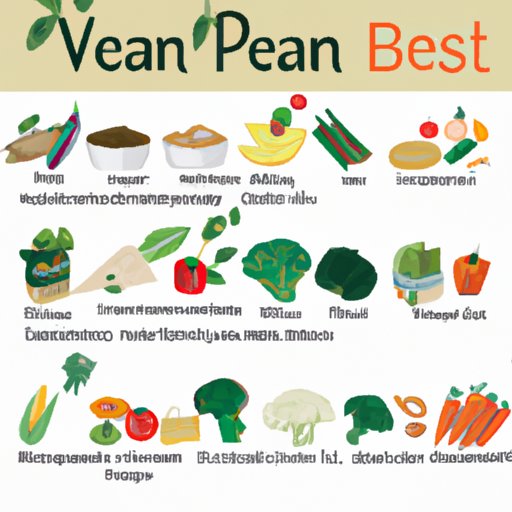
Overview of What is in a Plant-Based Diet
A plant-based diet focuses on foods derived from plants, including fruits, vegetables, legumes, nuts, seeds, and whole grains. It eliminates or limits animal products such as meat, dairy, and eggs. This type of diet has become increasingly popular due to its many health benefits, and it can be adapted to fit almost any lifestyle or dietary needs.
Definition of a Plant-Based Diet
The term “plant-based” is often used interchangeably with “vegetarian” or “vegan”, but it does not necessarily mean the same thing. A plant-based diet is an umbrella term that includes all diets focused on eating mostly or exclusively plant-based foods. This includes vegetarian and vegan diets, as well as others such as flexitarian and Mediterranean diets.
Types of Food Included in a Plant-Based Diet
Plant-based diets include a variety of foods derived from plants. These include fruits, vegetables, legumes, nuts, seeds, and whole grains. Depending on the type of diet, they may also include some animal products such as dairy, eggs, honey, and fish. Plant-based diets are typically rich in fiber, vitamins, minerals, antioxidants, and phytochemicals, which have numerous health benefits.
Health Benefits of a Plant-Based Diet
There are numerous health benefits associated with eating a plant-based diet. Studies have shown that plant-based diets can reduce the risk of chronic diseases such as heart disease, type 2 diabetes, and certain types of cancer. They can also help with weight loss and improve body composition.
Improved Heart Health
Eating a plant-based diet has been shown to lower blood pressure and cholesterol levels, which can reduce the risk of heart disease. Plant-based diets are typically high in fiber, antioxidants, and healthy fats, which can help keep the heart healthy.
Reduced Risk of Cancer and Other Chronic Diseases
Research has found that plant-based diets are associated with a reduced risk of certain types of cancer, such as colorectal and breast cancer. Eating a plant-based diet can also reduce the risk of other chronic diseases, such as type 2 diabetes and obesity.
Weight Loss and Improved Body Composition
A plant-based diet can also help with weight loss and improve body composition. Plant-based foods are generally low in calories and high in fiber, which can help you feel full longer and reduce your overall calorie intake. Additionally, plant-based foods are typically nutrient-dense, so you can get more nutrition out of fewer calories.
How to Get Started with a Plant-Based Diet
Making the switch to a plant-based diet can seem overwhelming, but with the right guidance and resources, it can be easy and enjoyable. Here are some tips on getting started:
Understand the Basics of Nutrition
Before making any dietary changes, it’s important to understand the basics of nutrition. Learn about the different types of nutrients, their roles in the body, and where to find them in plant-based foods. This will help you make informed decisions about what to eat and ensure you’re meeting your nutritional needs.
Determine Your Dietary Needs and Preferences
Next, think about your dietary needs and preferences. Do you want to follow a strict vegan diet, or would you prefer something more flexible? Are there any foods you don’t like or can’t eat due to allergies or intolerances? Once you know what you need and want, it will be easier to create a meal plan that works for you.
Create a Meal Plan
Creating a meal plan is one of the best ways to ensure you’re eating a balanced, nutritious diet. Start by making a list of your favorite plant-based meals and snacks. Then, plan out your meals for the week. Be sure to include a variety of fruits, vegetables, legumes, nuts, seeds, and whole grains.
Learn How to Shop for Plant-Based Foods
Grocery shopping can be tricky when you’re trying to eat a plant-based diet. To make it easier, learn how to read food labels and look for key words like “vegan”, “plant-based”, and “whole grain”. Also, check out the bulk bins for items like nuts, seeds, and grains, which are usually cheaper than pre-packaged options.
Vegetarian vs. Vegan Diets
Although both vegetarian and vegan diets are plant-based, there are some key differences between the two. Vegetarians do not eat meat, poultry, or seafood, but they may consume eggs and dairy. Vegans, on the other hand, avoid all animal products, including eggs and dairy.
Differences Between Vegetarian and Vegan Diets
The main difference between vegetarian and vegan diets is the inclusion of animal products. Vegetarians may consume eggs and dairy, while vegans do not. Additionally, vegan diets tend to be higher in fiber and lower in saturated fat than vegetarian diets. Vegetarians may also consume processed foods, while vegans typically avoid them.
Pros and Cons of Each
Both vegetarian and vegan diets have their advantages and disadvantages. Vegetarian diets tend to be easier to follow, since they allow for the inclusion of eggs and dairy. However, vegan diets are typically more nutrient-dense, since they eliminate processed foods and focus on whole plant foods. Ultimately, the best diet for you will depend on your individual needs and preferences.
Shopping for Plant-Based Foods
When shopping for plant-based foods, it’s important to know where to look. Most grocery stores now carry a wide variety of plant-based items, including frozen and packaged foods. Additionally, many health food stores and farmers markets offer even more options.
Where to Find Plant-Based Foods
You can find plant-based foods in most grocery stores, health food stores, and farmers markets. Grocery stores typically carry a wide selection of frozen and packaged foods, as well as fresh produce, nuts, seeds, and grains. Health food stores and farmers markets usually have a larger selection of organic and locally grown items.
Tips for Grocery Shopping
When shopping for plant-based foods, it’s important to read labels carefully and look for key words like “plant-based”, “vegan”, and “whole grain”. Additionally, try to buy organic and locally grown produce whenever possible. Lastly, don’t forget to check the bulk bins for items like nuts, seeds, and grains, which are usually cheaper than pre-packaged options.
Popular Plant-Based Recipes
Once you’ve stocked up on plant-based ingredients, it’s time to get cooking! Here are some popular plant-based recipes to get you started:
Breakfasts
Overnight oats, smoothie bowls, tofu scrambles, chia pudding, and avocado toast are all popular plant-based breakfast options.
Lunches and Dinners
Veggie burgers, black bean tacos, lentil soup, quinoa salads, and roasted vegetable stir-fries are all great plant-based lunch and dinner ideas.
Snacks and Desserts
Fruit and nut bars, hummus and veggies, dark chocolate bark, banana nice cream, and oatmeal cookies are all delicious plant-based snack and dessert options.
Eating a plant-based diet is an excellent way to improve your health and enjoy delicious meals. With the right information and resources, it can be easy and enjoyable. Whether you choose to follow a vegetarian, vegan, or another type of plant-based diet, it’s important to understand the basics of nutrition and determine your dietary needs and preferences. With a little bit of planning and preparation, you can easily transition to a healthy, plant-based lifestyle.
(Note: Is this article not meeting your expectations? Do you have knowledge or insights to share? Unlock new opportunities and expand your reach by joining our authors team. Click Registration to join us and share your expertise with our readers.)