
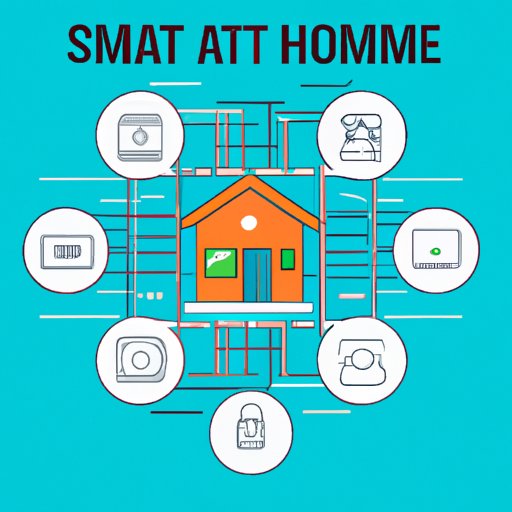
Introduction
Home automation is the use of technology to automate various aspects of your home. This can include anything from security systems to lighting and climate control. The goal of home automation is to make life easier and more convenient for homeowners. With the right setup, you can control almost every aspect of your home from one central location.
Home automation has become increasingly popular in recent years due to advances in technology and the availability of affordable, user-friendly products. In fact, the global home automation market is expected to reach $67 billion by 2025, according to a report by Grand View Research.
Definition of Home Automation
Home automation is the process of using technology to control various aspects of your home. This includes everything from security systems and lighting to climate control and energy management. Home automation allows you to control these features remotely, either through a mobile app or a voice assistant such as Alexa or Google Home.
For example, you can set up your home security system to alert you when the doors are opened or closed. You can also program your lights to turn on and off at certain times of the day. Home automation even allows you to regulate the temperature in your home and monitor energy usage.
Benefits of Home Automation
Home automation offers numerous benefits for homeowners. It can save time, money, and effort, while also providing peace of mind knowing that your home is secure and energy efficient. Here are some of the key benefits of home automation:
- Convenience: With home automation, you can control various aspects of your home from one central location. This makes it easy to access and manage different features without having to be physically present in your home.
- Energy efficiency: Home automation can help you reduce energy consumption by automatically turning off lights and appliances when not in use. This can lower your energy bills and help conserve resources.
- Safety and security: Home automation can help keep your home secure by alerting you to any potential intruders or unauthorized activity. It can also provide peace of mind knowing that your home is safe and secure.
A Beginner’s Guide to Home Automation
If you’re interested in home automation, there are a few things you should know before getting started. Here’s a beginner’s guide to home automation:
What is Required to Set Up a Home Automation System?
Setting up a home automation system requires a few basic components. This includes a central hub, which connects all of your devices, as well as sensors and other components. You’ll also need a smartphone or tablet with an internet connection so you can control your system remotely.
Types of Home Automation Systems
There are two main types of home automation systems: wired and wireless. Wired systems require professional installation and involve running wires throughout your home. Wireless systems are easier to install and don’t require any wiring. They are powered by batteries and communicate with each other via radio frequency signals.
10 Tips for Setting Up a Home Automation System
Here are 10 tips for setting up a home automation system:
Assess Your Needs
The first step is to assess your needs. Consider what you want to automate and how you plan to use the system. This will help you determine which components and features you need.
Research the Different Types of Technology Available
Once you have an idea of what you want to automate, research the different types of technology available. Read reviews and compare products to find the best option for your needs.
Consider Safety and Security
Make sure the system you choose is secure and reliable. Look for products with strong encryption and authentication protocols. Also consider if the system provides any safety features, such as motion detectors or door locks.
Make Sure You Have the Right Equipment
Before installing the system, make sure you have all the necessary equipment. This includes a central hub, sensors, and any other components you may need.
Invest in Professional Installation
If you’re installing a wired system, it’s best to hire a professional. This will ensure the system is properly installed and configured for optimal performance.
Take Advantage of Smart Home Platforms
Smart home platforms provide an easy way to connect and control multiple devices. These platforms allow you to access and manage your system from one central location.
Choose the Right Home Automation Software
When selecting home automation software, look for one that is user-friendly and compatible with your devices. Some software is designed specifically for certain products, so make sure to check compatibility before making a purchase.
Understand the Limits of Automation
It’s important to understand the limits of automation. Automation can simplify many tasks, but it can’t replace common sense. Make sure you understand the capabilities and limitations of your system before relying on it too heavily.
Utilize Voice Control
Voice control is a great way to control your home automation system. With voice commands, you can easily access and manage different features without having to use a mobile app or remote control.
Connect Everything to a Central Hub
To get the most out of your home automation system, make sure everything is connected to a central hub. This will allow you to access and control all of your devices from one place.
The Future of Home Automation: What’s Next?
Home automation technology is constantly evolving. Here are some of the trends we can expect to see in the future:
Predictive Automation
Predictive automation uses artificial intelligence to anticipate your needs and make decisions based on past behavior. For example, your thermostat could learn your preferred temperature settings and adjust accordingly.
Improved Security Features
Advanced security features such as facial recognition, biometric scanners, and motion detectors will become more prevalent in home automation systems. This will help protect your home from intruders and unauthorized access.
Automated Appliances
We can expect to see more automated appliances in the future. This includes refrigerators, ovens, washing machines, and more. These appliances will be able to detect when food is running low or when clothes need to be washed, and they will be able to adjust settings accordingly.

How Home Automation Can Make Life Easier
Home automation can make life easier in a number of ways. Here are some of the key benefits:
Increased Convenience
With home automation, you can control various aspects of your home from one central location. This makes it easy to access and manage different features without having to be physically present in your home.
Improved Energy Efficiency
Home automation can help you reduce energy consumption by automatically turning off lights and appliances when not in use. According to a study by the Lawrence Berkeley National Laboratory, smart thermostats can save homeowners an average of 12% on their heating and cooling costs.
Enhanced Safety
Home automation can help keep your home secure by alerting you to any potential intruders or unauthorized activity. It can also provide peace of mind knowing that your home is safe and secure.

Essential Technologies in Home Automation
To get the most out of your home automation system, you’ll need to understand the essential technologies involved. Here are some of the key technologies:
Wi-Fi
Wi-Fi is the backbone of most home automation systems. It allows you to connect and control various devices from one central location.
Sensors
Sensors are used to monitor and detect changes in the environment. This includes motion, temperature, and light sensors.
Networking Protocols
Networking protocols are used to communicate between devices. The most common protocol is Zigbee, which is used to connect devices wirelessly.

Smart Home Automation: What You Need to Know
If you’re new to home automation, here are some things you should know:
Understanding the Basics
Before getting started, it’s important to understand the basics of home automation. Research the different types of systems and components available, as well as the pros and cons of each.
Choosing the Right Components
When selecting components for your system, make sure they are compatible with each other. Read reviews and compare products to find the best option for your needs.
Setting Up and Integrating the System
Once you have all the components, you’ll need to set up and integrate the system. If you’re installing a wired system, it’s best to hire a professional. For wireless systems, you can usually do it yourself.
Conclusion
Home automation can simplify many tasks and make life easier. It can also provide peace of mind knowing that your home is secure and energy efficient. With the right setup, you can control almost every aspect of your home from one central location.
Whether you’re just getting started with home automation or looking to upgrade your existing system, understanding the basics and researching the different types of technology available will help ensure you get the most out of your system.
(Note: Is this article not meeting your expectations? Do you have knowledge or insights to share? Unlock new opportunities and expand your reach by joining our authors team. Click Registration to join us and share your expertise with our readers.)