

Introduction
Granular Recovery Technology (GRT) is a powerful data protection solution that enables quick and efficient recovery of individual files or parts of a database from a backup. It can provide organizations with a more granular approach to data recovery than traditional methods, allowing them to better protect their data in the event of system failure or malicious attack. In this article, we will explore what GRT is, how it works, the benefits of using GRT, common use cases, best practices for implementation, and the future of GRT.
An Overview of Granular Recovery Technology
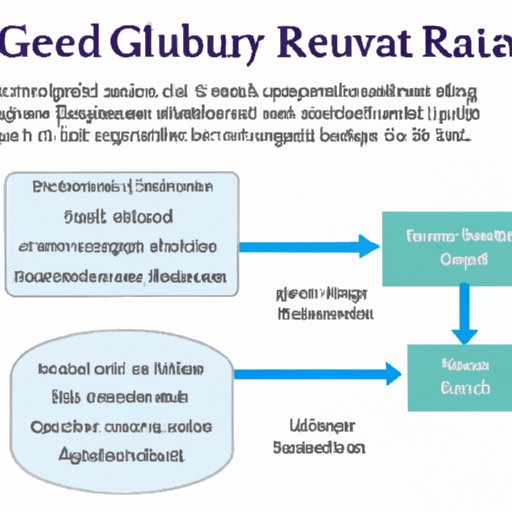
GRT is a type of backup technology that allows users to restore individual files or parts of a database from a backup. Unlike traditional backup solutions, which typically require a complete restore of an entire system, GRT enables users to quickly and easily recover individual pieces of data from a backup. This makes it ideal for organizations that need to recover specific pieces of data quickly and efficiently.
How Granular Recovery Technology Works
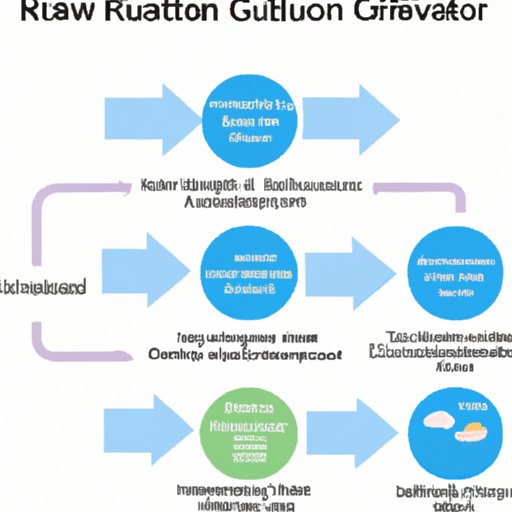
GRT works by creating a snapshot of a system’s data at regular intervals. These snapshots are then stored in a secure repository, where they can be accessed in the event of a system failure or malicious attack. When restoring data, GRT allows users to select which files or parts of a database they wish to recover, eliminating the need to restore an entire system or database.
Benefits of Granular Recovery Technology
GRT provides a number of benefits over traditional backup solutions. It can reduce the amount of time required to restore data, as well as reduce the amount of storage space needed to store backups. Additionally, GRT can help organizations ensure that their data remains secure, as they can quickly and easily restore individual pieces of data if they become compromised.
According to a study conducted by Gartner, GRT can also help organizations reduce their total cost of ownership (TCO), as it eliminates the need to purchase additional hardware and software for data recovery. The study found that organizations that implemented GRT saw an average reduction in TCO of up to 40%.
Common Use Cases for Granular Recovery Technology
GRT is most commonly used in scenarios where organizations need to quickly and efficiently restore individual pieces of data from a backup. This could include recovering lost or corrupted files, restoring deleted databases, or recovering specific components of a system. GRT is also often used in disaster recovery scenarios, where organizations need to quickly restore data after a system failure or malicious attack.

Best Practices for Implementing Granular Recovery Technology
When implementing GRT, there are a few best practices that organizations should follow to ensure a successful deployment. These include planning and preparation, testing and validation, and system and data protection.
Planning and preparation involve designing a comprehensive backup strategy that takes into account the organization’s needs and requirements. This includes determining the type of data to be backed up, the frequency of backups, and the storage location for backups. Organizations should also consider the security measures needed to protect their data.
Testing and validation involve ensuring that backups are working properly and that data can be restored quickly and efficiently. Organizations should regularly test their backups to ensure that they are functioning as expected, and they should also validate the integrity of their data to ensure that it has been backed up correctly.
Finally, organizations should ensure that their systems and data are protected against malicious attacks and other security threats. This includes implementing strong authentication protocols, encrypting data, and monitoring suspicious activity on their networks.
The Future of Granular Recovery Technology
GRT is a rapidly evolving technology that has the potential to revolutionize data protection and recovery. As organizations continue to embrace cloud computing and virtualization technologies, GRT will become increasingly important for protecting data and ensuring business continuity. Additionally, GRT can be used to facilitate compliance with various data privacy regulations.
However, there are still some challenges that need to be overcome before GRT can reach its full potential. These include improving scalability and performance, as well as ensuring that data is securely backed up and protected. Additionally, organizations will need to ensure that their backup strategies are robust enough to meet their needs.
Conclusion
Granular Recovery Technology (GRT) is a powerful data protection solution that enables quick and efficient recovery of individual files or parts of a database from a backup. It can provide organizations with a more granular approach to data recovery than traditional methods, allowing them to better protect their data in the event of system failure or malicious attack. GRT can also help organizations reduce their total cost of ownership, as well as facilitate compliance with various data privacy regulations. While there are still some challenges that need to be overcome, GRT has the potential to revolutionize data protection and recovery.
(Note: Is this article not meeting your expectations? Do you have knowledge or insights to share? Unlock new opportunities and expand your reach by joining our authors team. Click Registration to join us and share your expertise with our readers.)