
Introduction
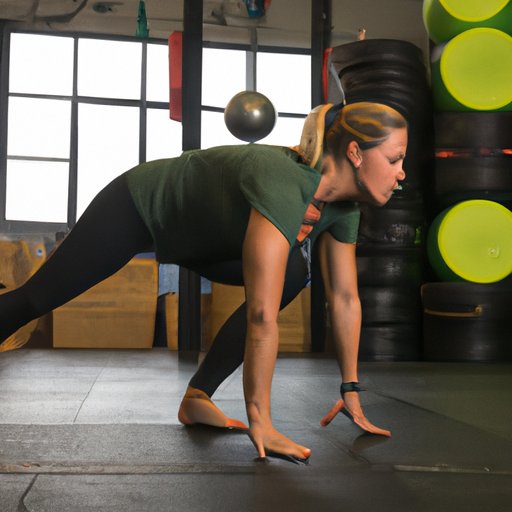
Functional fitness is a type of exercise that focuses on improving overall health and wellbeing. It is designed to improve strength, coordination, balance, and mobility by using exercises that mimic everyday movements. The goal of functional fitness is to increase one’s ability to perform activities of daily living with greater ease and less risk of injury.
In this article, we will explore what functional fitness is, the benefits it offers, and provide some examples of exercises you can use to get started. We will also discuss how to create a functional fitness plan that will help you reach your goals.
Explain Functional Fitness
Functional fitness is a form of exercise that uses movements that are similar to everyday activities. The goal is to improve overall strength, coordination, balance, and mobility in order to reduce the risk of injury when performing daily tasks. These exercises also help to improve posture, reduce stress, and increase energy levels.
Functional fitness is based on the principle of “functional movement”, which is the idea that our bodies were designed to move in specific ways. Therefore, exercises should be performed in a way that mimics natural body movements. This means that instead of focusing on individual muscles, functional fitness focuses on using multiple muscle groups at once in order to train the body as a whole.
Functional fitness exercises involve using your own bodyweight or light weights and resistance bands. They can also include plyometric exercises such as jumping and hopping, as well as agility drills like running or shuffling. By incorporating these exercises into your routine, you can improve your overall strength, balance, coordination, and mobility.
Benefits of Functional Fitness
Functional fitness offers a variety of benefits for both physical and mental health. It can help to improve overall strength, coordination, balance, and mobility, which can reduce the risk of injury when performing everyday activities. Additionally, functional fitness can help to improve posture, reduce stress, and increase energy levels.
According to a study published in the Journal of Strength and Conditioning Research, functional fitness can help to improve muscular strength and endurance. The study found that participants who participated in a functional fitness program saw increases in their upper and lower body strength after just 8 weeks.
Another study conducted by the American Council on Exercise (ACE) found that functional fitness can help to improve coordination and balance. The study found that participants who completed a functional fitness program saw significant improvements in their balance and coordination after just 6 weeks.
Examples of Functional Exercises
There are many different types of exercises that can be used in a functional fitness program. Some of the most common exercises include:
- Squats
- Lunges
- Push-ups
- Pull-ups
- Rowing
- Planking
These exercises can be done using your own bodyweight, light weights, or resistance bands. You can also incorporate agility drills such as running or shuffling, as well as plyometric exercises such as jumping or hopping. By combining these exercises in a functional fitness program, you can improve your overall strength, coordination, balance, and mobility.
Get Started with Functional Fitness
Getting started with functional fitness is easy. You don’t need any special equipment or a gym membership. All you need is a comfortable space where you can move freely. You can use your own bodyweight, light weights, resistance bands, or even household items such as water bottles or cans of food to add resistance.
When beginning a functional fitness program, it’s important to start slowly and focus on proper form. Make sure to warm up before each workout and cool down afterwards. Additionally, it’s important to listen to your body and take breaks when needed. If you experience any pain or discomfort, stop immediately and consult a medical professional.

Create a Functional Fitness Plan
Creating a functional fitness plan is essential for achieving your fitness goals. Start by setting realistic goals and tracking your progress. For example, if your goal is to increase your strength, track how much weight you can lift or how many reps you can do. You can also track your progress with other metrics such as body fat percentage, flexibility, or agility.
Once you have set your goals, create a plan of action. Decide which exercises you want to include in your program and how often you want to do them. You can also vary the intensity of your workouts by adding more challenging exercises or increasing the duration or intensity of your existing exercises.
Conclusion
Functional fitness is a type of exercise that focuses on improving overall health and wellbeing. It is designed to improve strength, coordination, balance, and mobility by using exercises that mimic everyday movements. Functional fitness offers a variety of benefits for both physical and mental health, including improved strength, coordination, balance, and mobility. To get started, all you need is a comfortable space and some basic equipment. Finally, creating a functional fitness plan is essential for reaching your goals.
By incorporating functional fitness into your routine, you can improve your overall health and wellbeing. With a little bit of dedication and commitment, you can achieve your fitness goals and live a healthier life.
(Note: Is this article not meeting your expectations? Do you have knowledge or insights to share? Unlock new opportunities and expand your reach by joining our authors team. Click Registration to join us and share your expertise with our readers.)