
Introduction
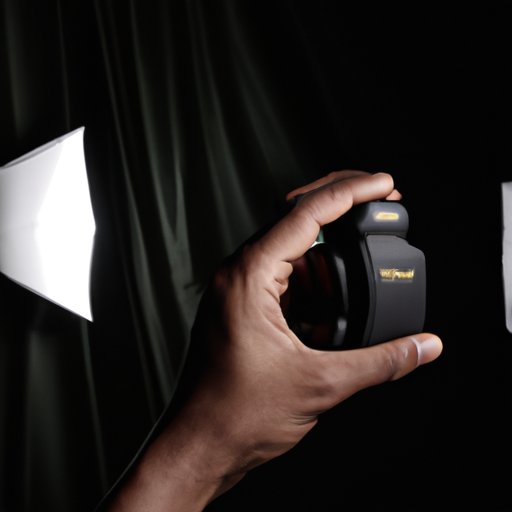
Flash photography is a type of photography that uses artificial light sources to create dramatic, eye-catching images. By adding a burst of light to a scene, photographers are able to capture moments and details that would otherwise be lost in darkness. Flash photography has many benefits and can be used to create stunning images.
Tips & Tricks for Mastering Flash Photography
Before you start experimenting with flash photography, it’s important to understand the basics of exposure. This includes understanding how shutter speed and aperture affect the amount of light that is let into the camera. Once you have a good grasp on these concepts, you can begin to experiment with different equipment and techniques.
When it comes to equipment, there are a few key pieces that you will need to get started. A flash or strobe is essential for creating the light source. You will also need an off-camera flash cord to connect the flash to your camera, as well as a light stand or tripod to hold the flash in place. Depending on the type of shots you want to take, you may also need additional accessories such as gels, reflectors, diffusers, and more.
Once you have the right equipment, you can begin to experiment with different techniques. High-speed sync, fill flash, and rear curtain sync are just a few of the techniques you can use to create interesting effects with your flash. Be sure to practice with each technique and adjust the settings until you achieve the desired results.

Understanding the Basics of Flash Photography
When choosing a flash for your photography needs, there are a few things to consider. The first is the type of flash. There are two main types of flashes: on-camera flashes and off-camera flashes. On-camera flashes are small and lightweight, making them great for quick shots. Off-camera flashes offer more power and versatility, but they are bulkier and require an additional cord to connect to the camera.
In addition to type, you should also consider features such as power, recycle time, and wireless capability. Power determines how bright the flash is, while recycle time determines how quickly the flash can be reused after being fired. Wireless capability allows you to control the flash from your camera without any cords.

How to Choose the Right Flash for Your Photography
Choosing the right flash for your needs depends on several factors. Knowing your camera’s capabilities is the first step. If you have a DSLR or mirrorless camera, you will likely need an external flash or strobe. If you have a point-and-shoot camera, you may be able to use the built-in flash.
Once you know what type of flash you need, you can begin to evaluate different models. Consider the features mentioned above, as well as any special features that may be useful for your particular style of photography. Be sure to read reviews and compare prices to ensure you find the best flash for your needs.
Creative Uses of Flash Photography
Once you have the right equipment and understand the basics of flash photography, you can begin to explore creative ways to use this technique. High-speed sync, fill flash, and rear curtain sync are all great options for creating unique images. High-speed sync allows you to freeze fast-moving subjects by using a higher shutter speed than usual. Fill flash helps to brighten up shadows, while rear curtain sync adds a sense of motion to a photo by blurring the background.

Common Mistakes to Avoid with Flash Photography
Like any other type of photography, flash photography has its own set of potential pitfalls. One of the most common mistakes is overpowering natural light. This can result in washed out photos or harsh shadows. It’s also important to pay attention to color temperature and make sure your flash matches the existing light. Finally, be aware of the angle of your flash and make sure it’s not pointing directly at your subject.
A Beginner’s Guide to Flash Photography
If you’re just getting started with flash photography, it’s important to learn the fundamentals first. Start by practicing with different settings and experimenting with different techniques. You can also take advantage of tutorials and workshops to help you hone your skills. With some practice and patience, you can master the art of flash photography and create stunning images.
Conclusion
Flash photography can be a powerful tool for creating beautiful images. By understanding the basics of exposure and knowing how to choose the right equipment, you can create stunning photos with ease. With some practice and experimentation, you can master the art of flash photography and take your photos to the next level.
(Note: Is this article not meeting your expectations? Do you have knowledge or insights to share? Unlock new opportunities and expand your reach by joining our authors team. Click Registration to join us and share your expertise with our readers.)