
Introduction
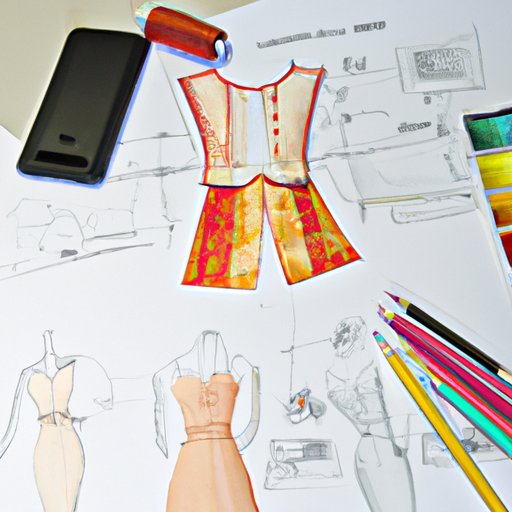
Fashion designing is the art of creating clothing, accessories, and other lifestyle items that reflect contemporary trends. As an industry, fashion design seeks to combine aesthetics and functionality in order to create garments and products that are appealing to consumers. By understanding the different elements at play in fashion design – including color, textiles, silhouette, proportion, accessories, hair, and makeup – fashion designers can create unique and eye-catching garments.
A Historical Overview of Fashion Designing
Fashion has been around since ancient times, with the earliest evidence of human clothing dating back to about 40,000 BCE. Throughout history, fashion has evolved and changed, reflecting the styles and trends of the times.
Pre-Modern Fashion Design
In pre-modern societies, fashion was largely dictated by religion, politics, and social class. Clothes were often handmade and tailored to fit the individual’s body shape. Popular fabrics included wool, linen, and silk, and colors were often limited due to the cost of dyeing fabric.
Modern Fashion Design
The modern era of fashion began in the 19th century, with the rise of industrialization and mass production. This allowed for greater access to fabrics, colors, and styles, which in turn enabled fashion designers to experiment with new designs and silhouettes. The invention of synthetic fabrics, such as nylon and polyester, also revolutionized the industry, allowing for the creation of more affordable clothing.
Post-Modern Fashion Design
The post-modern era of fashion began in the late 20th century, when designers began to experiment with bolder colors, patterns, and silhouettes. Technology also played a role in this period, with the introduction of computer-aided design (CAD) software enabling designers to create complex patterns and garments quickly and efficiently. Today, fashion continues to evolve, with designers taking inspiration from both traditional and modern sources.
Exploring the Different Elements of Fashion Design
Creating a successful fashion design requires a keen understanding of the different elements involved. These include:
Color
Color plays an important role in fashion design, as it can be used to create contrast, harmony, and visual interest. According to a study published by the American Journal of Applied Psychology, color can also have a psychological effect on people, with certain colors evoking different emotions. For example, blue is often seen as calming and soothing, while yellow is often associated with happiness and optimism.
Textiles
Textiles are a crucial element of fashion design, as they can affect the look, feel, and durability of a garment. Common fabrics used in fashion design include cotton, silk, wool, and synthetic fibers such as polyester and nylon. Each type of fabric has its own unique properties and characteristics, so it is important for fashion designers to understand how each type of fabric behaves.
Silhouette
The silhouette of a garment is the overall shape or outline. It is one of the most important aspects of fashion design, as it can help to create a certain look or aesthetic. Common silhouettes in fashion design include A-line, empire, shift, and drop waist.
Proportion
Proportion refers to the size and scale of a garment in relation to the body. It is important for fashion designers to consider the proportions of a garment, as it can have a significant impact on the overall look and feel. For example, a garment that is too big or too small can make a person appear out of proportion.
Accessories
Accessories are an important part of fashion design, as they can be used to add an extra layer of detail to an outfit. Popular accessories include jewelry, scarves, hats, bags, and shoes. Accessories can be used to enhance a look or to draw attention to certain areas of the body.
Hair and Makeup
Hair and makeup are also important components of fashion design, as they can be used to create a certain look or aesthetic. Hair can be styled in various ways, such as braided, curled, or straightened, while makeup can be used to create a natural or dramatic look. Both hair and makeup can help to bring a fashion design to life.

Understanding the Creative Process of Fashion Designers
Fashion design is a creative process, and fashion designers must use their imagination and artistic skills to create unique and eye-catching garments. The creative process typically involves the following steps:
Researching Trends
Before beginning the design process, fashion designers will research current trends in the fashion industry. This can involve looking at fashion magazines, attending fashion shows, and analyzing the latest collections from other designers. Researching trends helps fashion designers stay up-to-date with the latest styles and ensure their designs are relevant and fashionable.
Sketching Ideas
Once a designer has researched the current trends, they will begin sketching ideas for their designs. Sketches are typically drawn by hand, although some designers may use computer-aided design (CAD) software to create digital renderings. Sketching allows the designer to visualize their ideas and experiment with different shapes and silhouettes.
Developing Patterns
After sketching their ideas, fashion designers will develop patterns for their designs. Pattern-making involves transferring the sketches onto paper and cutting them out to create a template, which will then be used to cut the fabric. Patterns are usually drafted by hand, but CAD software can also be used to create precise patterns.
Creating a Prototype
Once the pattern is created, the fashion designer will create a prototype of the garment. This is done by sewing the fabric pieces together according to the pattern. Prototypes are usually created by hand, although some designers may use machines to sew the pieces together. Creating a prototype allows the designer to evaluate the fit and comfort of the garment before making any adjustments.

Examining Current Trends in Fashion Design
Fashion is constantly evolving, and fashion designers must stay up-to-date with the latest trends in order to remain competitive. Some of the current trends in fashion design include:
Streetwear
Streetwear is a style of fashion that combines comfort and practicality with bold colors and prints. It typically includes loose-fitting clothing, such as t-shirts, hoodies, and jeans, as well as sneakers and other casual shoes. Streetwear has become increasingly popular in recent years, with many fashion designers embracing the trend.
Sustainable Fashion
Sustainable fashion is becoming increasingly popular, as more people are looking for ways to reduce their environmental impact. Sustainable fashion focuses on using eco-friendly materials, such as organic cotton and recycled fabrics, as well as ethical production practices. Many fashion designers are now incorporating sustainable materials into their designs.
Minimalism
Minimalism is a style of fashion that emphasizes simplicity and clean lines. It typically features neutral colors, such as black and white, and minimal accessories. Minimalism has become popular in recent years, with many fashion designers embracing the trend.

The Impact of Technology on the Future of Fashion Design
Technology is having a profound impact on the fashion industry, with many fashion designers now utilizing technology to create faster, more efficient designs. Some of the technologies being used in fashion design include:
Computer-Aided Design (CAD)
Computer-aided design (CAD) software is being used by many fashion designers to create precise patterns and renderings of their designs. CAD software allows designers to create complex patterns quickly and efficiently, as well as providing accurate 3D renderings of their designs.
3D Printing
3D printing is becoming increasingly popular in the fashion industry, as it allows designers to quickly and easily create prototypes of their designs. 3D printing also enables designers to create complex and intricate designs that would otherwise be impossible to create by hand.
Social Media
Social media is also playing an important role in the fashion industry, with many fashion designers using platforms such as Instagram and Twitter to promote their designs and connect with potential customers. Social media is also a great way for fashion designers to keep up-to-date with the latest trends and stay connected with their peers.
Conclusion
Fashion design is an ever-evolving field, and fashion designers must stay up-to-date with the latest trends and technologies in order to remain competitive. By understanding the different elements at play in fashion design – including color, textiles, silhouette, proportion, accessories, hair, and makeup – fashion designers can create unique and eye-catching garments. Technology is also having a profound impact on the industry, with many fashion designers now utilizing computer-aided design (CAD) software, 3D printing, and social media to create faster, more efficient designs. As an industry, fashion design seeks to combine aesthetics and functionality in order to create garments and products that are appealing to consumers.
(Note: Is this article not meeting your expectations? Do you have knowledge or insights to share? Unlock new opportunities and expand your reach by joining our authors team. Click Registration to join us and share your expertise with our readers.)