

Introduction
Environmental science is an interdisciplinary field that seeks to understand how human activities impact the environment. It involves research from a variety of disciplines, including biology, chemistry, physics, geography, economics, and sociology. By studying the interactions between humans and the natural world, environmental scientists seek to develop solutions for reducing pollution, preserving natural resources, and mitigating climate change.
Examining the Role of Environmental Science in Preserving Natural Resources
Environmental science plays an important role in preserving natural resources. Natural resources are vital to our existence, as they provide us with food, water, and energy. They also support the ecosystems that sustain life on Earth. Understanding the interconnectedness of natural resources is essential for preserving them for future generations.
Climate change is one of the most pressing issues facing the planet today. According to the United Nations Intergovernmental Panel on Climate Change (IPCC), human activity is the primary cause of global warming and its associated effects such as rising sea levels and more frequent extreme weather events. Environmental scientists are exploring the effects of climate change on natural resources, including land, water, and air quality.
Preserving natural resources requires sustainable practices. These practices include reducing waste, conserving energy, and using renewable energy sources. Sustainable practices can help reduce emissions and preserve resources for future generations. Environmental scientists are investigating the benefits of sustainable practices and developing strategies to encourage their use.
Exploring the Impact of Human Activity on the Environment
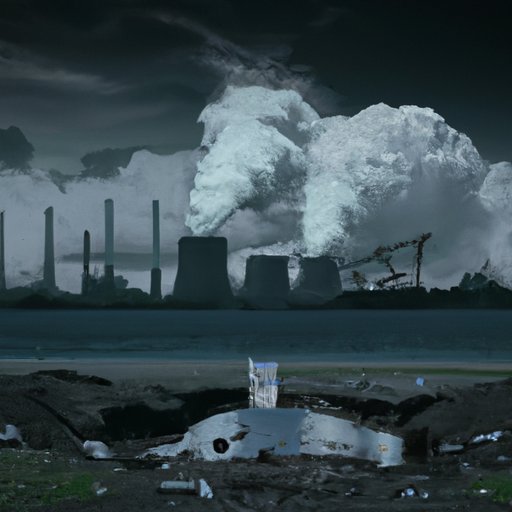
Human activities have had a significant impact on the environment. Industrialization has resulted in the release of pollutants into the atmosphere, leading to air and water pollution. Overpopulation has put a strain on natural resources, resulting in deforestation and habitat destruction. Environmental scientists are assessing the impact of human activity on the environment and exploring potential solutions.
Industrialization has led to the release of pollutants into the atmosphere, resulting in air pollution and acid rain. The burning of fossil fuels releases carbon dioxide and other greenhouse gases, which are responsible for global warming. Environmental scientists are examining the effects of industrialization on air quality and investigating ways to reduce emissions.
Pollution has had a devastating impact on the ecosystem. It has caused the death of fish and wildlife, contaminated groundwater, and led to health problems in humans. Environmental scientists are analyzing the effects of pollution on the ecosystem and investigating solutions for reducing it.
Overpopulation has put a strain on natural resources, resulting in deforestation and habitat destruction. Environmental scientists are examining the consequences of overpopulation and exploring strategies to reduce its impact on the environment.
Analyzing the Benefits of Implementing Sustainable Practices
Sustainable practices can help reduce emissions and preserve resources for future generations. Environmental scientists are advocating for the implementation of sustainable practices, such as renewable energy sources, improved agricultural practices, and responsible consumption habits.
Renewable energy sources, such as solar and wind power, have the potential to reduce emissions and provide clean and affordable energy. Environmental scientists are exploring the advantages of renewable energy sources and developing strategies to encourage their use.
Agricultural practices play an important role in preserving natural resources. Improved practices, such as crop rotation and soil conservation, can help reduce waste and improve yields. Environmental scientists are investigating the benefits of sustainable agricultural practices and encouraging their adoption.
Responsible consumption habits can help reduce emissions and waste. Environmental scientists are promoting the use of reusable products and encouraging people to limit their consumption of goods. They are also advocating for the use of environmentally-friendly products and services.

Investigating the Global Climate Crisis and Its Implications
Climate change is one of the most pressing issues facing the planet today. Environmental scientists are summarizing the causes of climate change, analyzing the potential repercussions, and considering mitigation strategies to combat it.
The primary cause of climate change is the burning of fossil fuels, which releases carbon dioxide and other greenhouse gases into the atmosphere. These gases trap heat, resulting in global warming and its associated effects such as rising sea levels and more frequent extreme weather events. Environmental scientists are exploring the causes of climate change and recommending solutions for reducing emissions.
The potential repercussions of climate change are far-reaching. Rising temperatures could lead to droughts, floods, and other extreme weather events. Changes in precipitation patterns could cause water shortages and disruption of food production. Environmental scientists are examining the potential repercussions of climate change and recommending strategies to mitigate its effects.
Mitigation strategies include reducing emissions, increasing energy efficiency, and utilizing renewable energy sources. These strategies can help reduce the impacts of climate change and create a more sustainable future. Environmental scientists are exploring mitigation strategies and advocating for their implementation.
Understanding the Complexities of Environmental Pollution
Environmental pollution is another major issue facing the planet today. Environmental scientists are examining the different types of pollution, outlining the health risks associated with it, and investigating solutions for reducing it.
There are several types of pollution, including air, water, and soil pollution. Air pollution is caused by the release of pollutants such as carbon dioxide, sulfur dioxide, and nitrogen oxide into the atmosphere. Water pollution is caused by the discharge of pollutants such as sewage and chemicals into bodies of water. Soil pollution is caused by the release of hazardous substances such as heavy metals and pesticides into the soil.
Pollution has a wide range of negative effects on human health. Exposure to pollutants can cause respiratory illnesses, skin diseases, and cancer. Environmental scientists are outlining the health risks associated with pollution and investigating solutions for reducing it.
Solutions for reducing pollution include reducing emissions, improving waste management systems, and utilizing renewable energy sources. These strategies can help reduce the amount of pollutants released into the environment and create a healthier future. Environmental scientists are exploring solutions for reducing pollution and advocating for their implementation.
Evaluating the Latest Innovations in Green Technology
Green technology is an important tool for mitigating climate change and reducing pollution. Environmental scientists are analyzing the potential benefits of green technology, exploring examples of green technology, and investigating the potential challenges of green technology.
Green technology can help reduce emissions and conserve energy. Examples of green technology include electric vehicles, solar panels, and energy-efficient appliances. Environmental scientists are exploring the potential benefits of green technology and encouraging its adoption.
Green technology can also help reduce pollution. Examples of green technology include wastewater treatment systems, air purification systems, and smart grids. Environmental scientists are studying the potential applications of green technology and advocating for its implementation.
However, green technology is not without its challenges. Cost is a major barrier to the adoption of green technology. Additionally, green technologies may be difficult to deploy in some areas due to infrastructure and logistical challenges. Environmental scientists are investigating the potential challenges of green technology and recommending strategies to overcome them.
Conclusion
Environmental science is an interdisciplinary field that seeks to understand how human activities impact the environment. This article has explored the role of environmental science in preserving natural resources, mitigating climate change, and developing green technology solutions. Environmental scientists are assessing the impact of human activity on the environment, exploring the benefits of sustainable practices, and evaluating the latest innovations in green technology. By understanding the complexities of environmental science, we can work together to create a more sustainable future.
In conclusion, environmental science is an essential field for preserving natural resources, mitigating climate change, and developing green technology solutions. We must all take responsibility for protecting the environment and working towards a more sustainable future.
The time to act is now. We must take action to reduce emissions, conserve resources, and implement sustainable practices. We must also invest in green technology and promote responsible consumption habits. Together, we can create a better future for ourselves and for generations to come.
(Note: Is this article not meeting your expectations? Do you have knowledge or insights to share? Unlock new opportunities and expand your reach by joining our authors team. Click Registration to join us and share your expertise with our readers.)