
Introduction
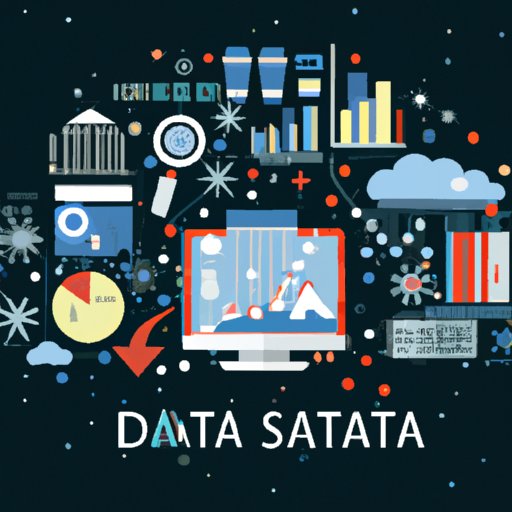
Data science and data analytics have become two of the most sought-after skills in the digital age. With the rise of big data, companies are increasingly turning to data scientists and data analysts to help them make informed decisions and gain insights into their customers and markets. But what exactly is data science and data analytics? And how can they be used to revolutionize businesses? This article will explore these questions and provide a beginner’s guide to data science and data analytics.
A Beginner’s Guide to Data Science and Data Analytics
Data science and data analytics refer to the process of collecting, organizing, analyzing, and interpreting large amounts of data. The purpose of data science and data analytics is to identify patterns and trends in data that can then be used to inform decision making and create better products and services. Data science and data analytics involve a variety of techniques and technologies, such as machine learning, artificial intelligence, and predictive analytics. It also involves the use of various data sources, such as customer surveys, web traffic data, and social media analytics.
Data science and data analytics can be used to revolutionize businesses by providing valuable insights into customer behavior, market trends, product performance, and more. By leveraging data, businesses can gain a competitive edge by understanding their customers better and making more informed decisions. For example, data analytics can be used to optimize marketing campaigns, improve customer service, and develop new products and services.
The Difference Between Data Science and Data Analytics
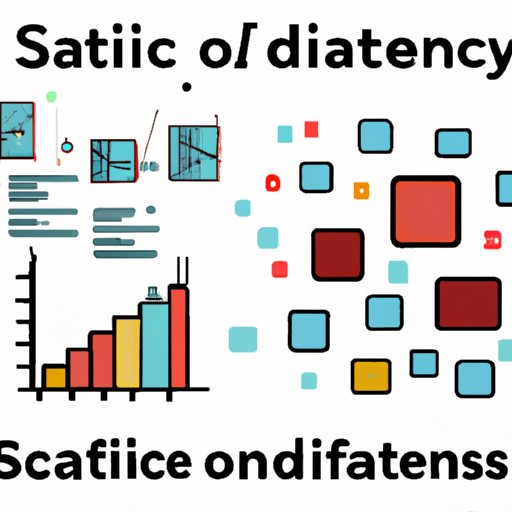
Data science and data analytics are often used interchangeably, but there are some key differences between the two. Data science refers to the process of applying scientific methods and algorithms to analyze data. It involves the use of complex mathematical models and algorithms to uncover insights. In contrast, data analytics is the process of analyzing data to identify patterns and trends. Data analytics typically uses simpler statistical methods and does not require complex algorithms.
Data science and data analytics are both vital for businesses that want to stay ahead of the competition. Data science can help businesses uncover hidden insights and make more informed decisions, while data analytics can help businesses understand customer behavior and optimize their operations. As such, there are many job opportunities in the field, from data scientists and data analysts to data engineers and data architects.
Tools and Technologies Used for Data Science and Data Analytics
Data science and data analytics require the use of powerful tools and technologies. Popular tools and technologies include Python, R, Hadoop, Spark, Tableau, and Power BI. These tools are designed to help businesses manage large volumes of data, identify patterns, and draw insights. Furthermore, these tools can be combined and used together to build powerful data pipelines for more complex analysis.
In addition to these tools and technologies, data science and data analytics projects often involve the use of open source libraries and frameworks. Open source libraries such as TensorFlow, Scikit-learn, and Pandas can be used to build powerful machine learning models. Frameworks such as Apache Spark and Apache Flink can be used to process large amounts of data quickly and efficiently.
There are many examples of successful data science and data analytics projects. For instance, Netflix uses data science and data analytics to recommend movies and TV shows to its users. Similarly, Amazon uses data science and data analytics to personalize product recommendations and provide targeted advertisements.
Conclusion
Data science and data analytics are two of the most important skills in the digital age. They allow businesses to gain valuable insights into customer behavior, market trends, and product performance. This article has provided a beginner’s guide to data science and data analytics, including an overview of the tools and technologies used in the field, along with examples of successful projects. Data science and data analytics are essential for businesses that want to stay ahead of the competition.
(Note: Is this article not meeting your expectations? Do you have knowledge or insights to share? Unlock new opportunities and expand your reach by joining our authors team. Click Registration to join us and share your expertise with our readers.)