
Introduction
Blockchain technology is rapidly becoming one of the most discussed topics in the world of digital transformation. The potential of blockchain to enhance data exchange and interoperability has been recognized by many organizations, and it is beginning to revolutionize the way we think about data sharing and collaboration. But what exactly is blockchain, and how can it affect interoperability? This article will explore these questions and provide an overview of the potential of blockchain technology for data exchange and interoperability.
An Overview of Blockchain Technology and its Impact on Interoperability
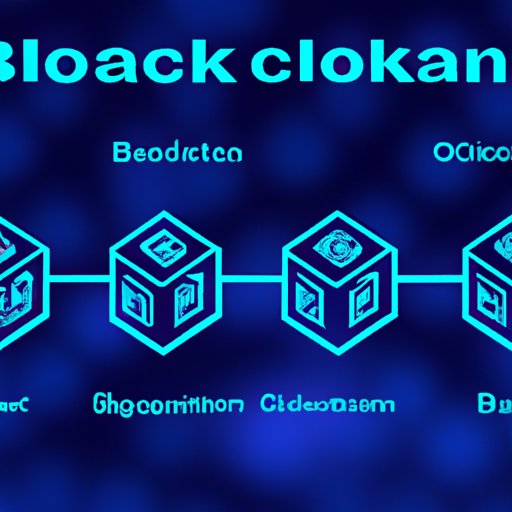
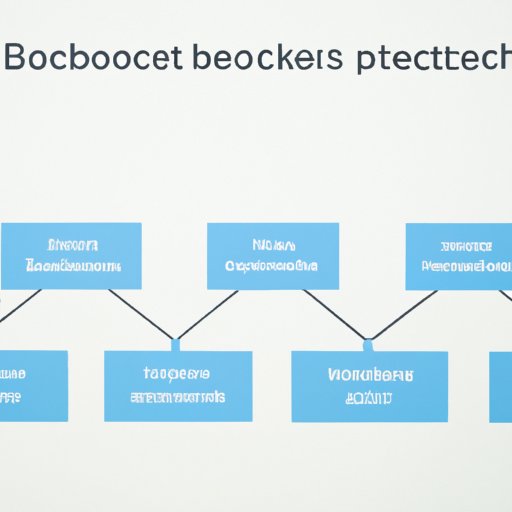
Before exploring the benefits of blockchain for interoperability, it is important to understand what blockchain technology is and how it works. Blockchain is a distributed ledger technology that records transactions between two parties in a secure, verifiable, and immutable manner. Transactions are recorded as “blocks” and linked together in a chronological chain, forming an unchangeable record of every transaction ever made. Each block contains a cryptographic hash of the previous block, creating a tamper-proof chain of data.
The main benefit of blockchain technology is its ability to provide enhanced data exchange and interoperability. By leveraging the power of cryptography and distributed ledgers, blockchain enables organizations to securely share data with each other without relying on central authorities. This allows for the creation of trustless networks where data can be exchanged quickly, securely, and efficiently.
Exploring the Benefits of Blockchain for Interoperability
There are several key benefits of blockchain technology for interoperability. These include:
- Enhanced Data Exchange: Blockchain provides a secure platform for exchanging data between different parties. By utilizing distributed ledgers, blockchain ensures that data is stored securely and can only be accessed by authorized users. This makes it possible to securely share data between different organizations without relying on third-party intermediaries.
- Increased Transparency: Blockchain also provides enhanced transparency when it comes to data exchange. All transactions are publicly viewable, making it possible to track data from its source to its destination. This increases accountability and helps to reduce the risk of fraud and manipulation.
- Improved Efficiency: Finally, blockchain technology can significantly improve the efficiency of data exchange. By eliminating the need for third-party intermediaries, blockchain reduces the time and cost associated with data exchange. This makes it easier for organizations to collaborate and share data quickly and securely.
How Blockchain Can Enhance Data Exchange and Interoperability
In order to realize the full potential of blockchain for interoperability, organizations need to leverage some of the features that make blockchain so powerful. This includes:
- Leveraging Smart Contracts: Smart contracts are self-executing programs that automate certain processes based on predetermined conditions. They are used to facilitate transactions between parties without the need for intermediaries. Smart contracts can be used to automate data exchange and ensure that data is exchanged securely and efficiently.
- Utilizing Decentralized Identities: Decentralized identities are digital identities that are stored on blockchain networks. They enable organizations to securely identify entities and verify their information without the need for third-party intermediaries. This makes it easier for organizations to securely exchange data and verify the identity of the other party.
- Securing Data with Encryption: Blockchain networks use encryption to ensure that data is kept secure. Encryption helps to protect data from unauthorized access and ensures that only authorized users can access the data. This makes it much harder for malicious actors to gain access to sensitive data.

A Comprehensive Guide to Blockchain and Interoperability
As organizations look to take advantage of the potential of blockchain for interoperability, there are several advantages and challenges that must be taken into consideration. Here is a comprehensive guide to understanding the potential of blockchain for interoperability:
Advantages of Blockchain for Interoperability
- Secure data exchange and storage
- Enhanced transparency and accountability
- Improved efficiency and cost savings
- Reduced risk of fraud and manipulation
Challenges of Implementing Blockchain Solutions
- High costs and complexity of implementation
- Difficulties in scaling up solutions
- Regulatory uncertainty
- Lack of technical expertise
How Blockchain is Transforming Interoperability
Organizations are increasingly turning to blockchain technology to improve data exchange and interoperability. There are several use cases of blockchain in interoperability, including:
- Secure data sharing between healthcare providers
- Enabling secure payments across borders
- Facilitating secure information exchange between government agencies
- Improving the efficiency of supply chain management
There are several examples of current blockchain projects that are being used to improve data exchange and interoperability. These include projects such as Hyperledger Fabric, Ethereum, and Ripple, which are being used by organizations to securely store and exchange data.
Leveraging Blockchain for Interoperability: Opportunities and Challenges
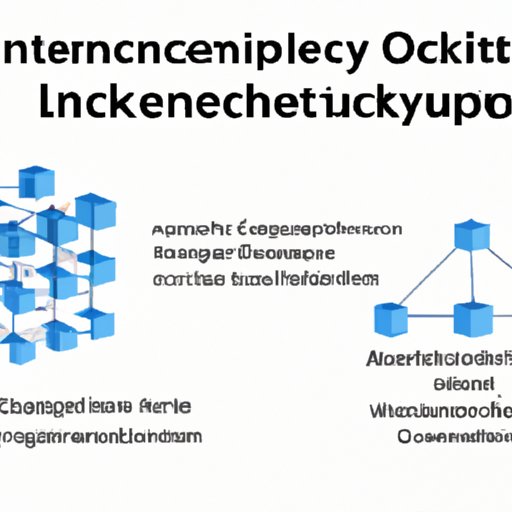
As organizations begin to explore the potential of blockchain for interoperability, there are both opportunities and challenges that must be taken into consideration. Organizations have the opportunity to benefit from increased security, transparency, and efficiency when it comes to data exchange and interoperability. However, there are also challenges that need to be addressed, such as the high cost and complexity of implementation, regulatory uncertainty, and lack of technical expertise.
Understanding the Potential of Blockchain for Interoperability
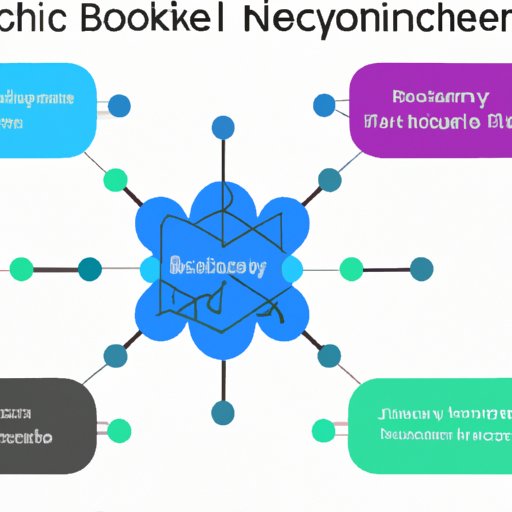
Blockchain technology has the potential to revolutionize the way organizations exchange data and collaborate. By leveraging the power of distributed ledgers, smart contracts, and decentralized identities, organizations can securely share data with each other without relying on third-party intermediaries. This could lead to improved efficiency, reduced costs, and increased transparency when it comes to data exchange and interoperability.
Although blockchain technology is still in its early stages, it is clear that it has the potential to transform the way organizations collaborate and exchange data. As organizations continue to explore the potential of blockchain for interoperability, it is important to understand the opportunities and challenges that must be taken into consideration. With the right approach, blockchain technology can be leveraged to create trustless networks and improve data exchange and interoperability.
Conclusion
Blockchain technology has the potential to revolutionize the way organizations interact and exchange data. By leveraging the power of distributed ledgers, smart contracts, and decentralized identities, organizations can securely share data with each other without relying on third-party intermediaries. This could lead to improved efficiency, reduced costs, and increased transparency when it comes to data exchange and interoperability. Although there are still challenges to overcome, the potential of blockchain for interoperability is clear, and organizations should consider how they can leverage this technology to improve data exchange and collaboration.
(Note: Is this article not meeting your expectations? Do you have knowledge or insights to share? Unlock new opportunities and expand your reach by joining our authors team. Click Registration to join us and share your expertise with our readers.)