

Introduction
Azure is a cloud-computing platform developed by Microsoft that allows businesses to build, manage, and deploy applications and services through a global network of data centers. It provides a range of services including virtual machines, web and mobile applications, database storage, analytics, and more. With Azure, businesses can quickly scale up or down depending on their needs, allowing them to save time and money.

Comparing Azure to Other Cloud Computing Platforms
When comparing Azure to other cloud computing platforms, it’s important to consider the advantages and disadvantages of each. According to a survey conducted by Forrester Consulting, “Azure offers superior scalability, speed, and pricing when compared to the competition.” With Azure, businesses have access to a wide range of services, from artificial intelligence and machine learning to big data and analytics, making it a great choice for companies that need to be able to quickly expand their capabilities. Additionally, Azure offers a pay-as-you-go model, which gives businesses more flexibility and control over their costs.
However, there are some drawbacks to using Azure. For example, it can be difficult to manage complex applications and services, and the cost of using Azure can be high for businesses with larger workloads. Additionally, some of the services offered by Azure, such as machine learning and analytics, require specialized skills and knowledge.
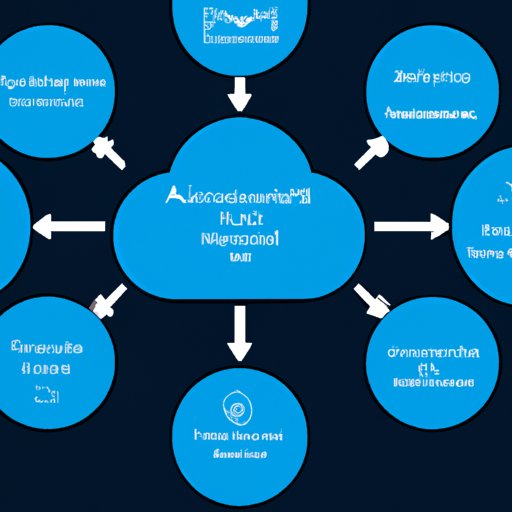
Overview of Azure Services and Offerings
Azure provides a wide range of services and offerings that can help businesses increase efficiency and reduce costs. These include virtual machines, web and mobile application development tools, database storage, analytics, and more. Additionally, Azure provides a number of tools and services designed to make it easier for businesses to quickly deploy and manage applications and services. This includes an integrated development environment (IDE), which makes it easy to develop, test, and deploy applications, as well as a DevOps toolkit, which helps teams collaborate and manage development processes.

Exploring the Benefits of Azure to Businesses
Azure can provide numerous benefits to businesses, including cost savings, improved collaboration, and greater efficiency. By taking advantage of Azure’s pay-as-you-go model, businesses can save money by only paying for the resources they use. Additionally, Azure’s integrated development environment and DevOps toolkit make it easy for teams to collaborate and quickly develop and deploy applications.
Moreover, Azure can help businesses become more efficient by providing a range of services and tools. For example, Azure’s AI and machine learning capabilities can help businesses automate tasks and improve decision-making. Similarly, Azure’s analytics tools can help businesses gain insights into customer behavior and trends, allowing them to better target their marketing efforts.
Examining Azure Security and Compliance Features
Security and compliance are two of the most important considerations when choosing a cloud-computing platform. Azure provides a range of features designed to keep data secure and compliant with industry regulations. For example, Azure’s data security features include encryption, identity management, auditing, and threat detection.
Additionally, Azure offers authentication and authorization options, such as multi-factor authentication and role-based access control. This ensures that only authorized users have access to sensitive data. Finally, Azure provides a comprehensive disaster recovery solution, which ensures that businesses can recover quickly in the event of an outage or other disruption.
Understanding the Cost of Using Azure Technologies
The cost of using Azure technologies will vary depending on the type of service and the amount of resources needed. However, Azure’s pay-as-you-go model can provide significant cost savings for businesses. Additionally, Azure offers several licensing and pricing options, from pay-per-use to reserved instances, which can help businesses further reduce costs.
Conclusion
Azure is a powerful cloud-computing platform that can help businesses save time and money. It offers a wide range of services and tools, from virtual machines and web and mobile applications to analytics and machine learning. Additionally, Azure provides robust security and compliance features, as well as flexible pricing and licensing options. For businesses looking to take advantage of cloud-computing technology, Azure is an excellent choice.
(Note: Is this article not meeting your expectations? Do you have knowledge or insights to share? Unlock new opportunities and expand your reach by joining our authors team. Click Registration to join us and share your expertise with our readers.)