
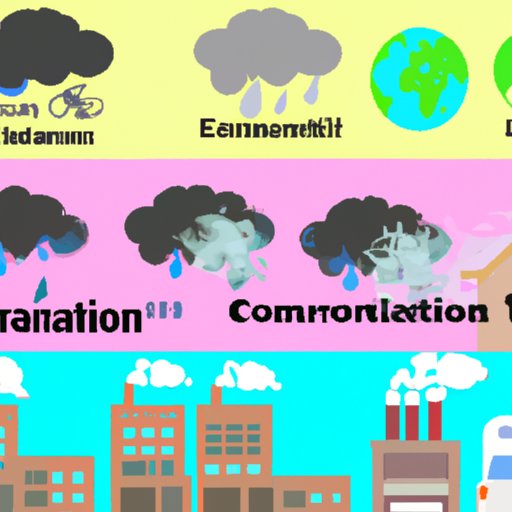
Introduction
Atmosphere is a term used to describe the gaseous envelope that surrounds the Earth. It is an integral part of life on our planet, providing essential resources such as oxygen, nitrogen, and other trace elements that are necessary for all living organisms. Understanding the composition, dynamics, and processes of the atmosphere is important in order to understand how it affects our environment and the way we live.
Exploring the Composition of the Earth’s Atmosphere
The atmosphere is composed of four main components: nitrogen (78%), oxygen (21%), argon (0.93%), and carbon dioxide (0.04%). These components interact with each other and with the surface of the Earth to create the conditions that allow life to exist. For example, nitrogen helps to regulate the temperature of the atmosphere, while oxygen is necessary for respiration. Other minor components of the atmosphere include water vapor, ozone, and aerosols.
The atmosphere is constantly in motion, with air moving from high pressure areas to low pressure areas. This movement creates winds and other weather patterns that are essential for the distribution of heat and moisture throughout the planet. Additionally, the atmosphere acts as a barrier between the Earth and space, shielding us from harmful radiation and maintaining a livable temperature.
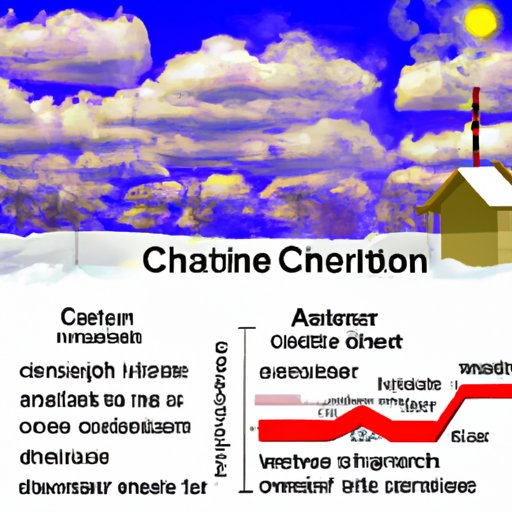
Investigating the Role of the Atmosphere in Climate Change
The composition of the atmosphere plays an important role in regulating global temperatures. According to a study by the Intergovernmental Panel on Climate Change, “Changes in the atmospheric concentrations of greenhouse gases and aerosols, land cover and solar radiation alter the energy balance of the climate system” (IPCC, 2007). These changes can affect the global climate by increasing or decreasing levels of heat-trapping gases and pollutants in the atmosphere.
Climate change has had a significant impact on the atmosphere. Warmer temperatures have led to an increase in the amount of water vapor present in the atmosphere, which further amplifies the effects of greenhouse gases. This has caused global temperatures to rise and sea levels to rise, resulting in more extreme weather events such as floods, storms, and droughts.

Examining the Effects of Human Activity on the Atmosphere
Human activities such as burning fossil fuels and deforestation have caused dramatic changes to the composition of the atmosphere. The burning of fossil fuels has increased the amount of carbon dioxide in the atmosphere, leading to an increase in global temperatures. Deforestation has also reduced the amount of carbon dioxide absorbed by trees, further exacerbating the problem.
These changes in the composition of the atmosphere have wide-ranging impacts on the environment. Increased levels of carbon dioxide and other greenhouse gases trap more heat in the atmosphere, leading to warmer global temperatures. This can cause shifts in weather patterns and the melting of glaciers and ice caps, resulting in a rise in sea levels. Additionally, pollutants released into the atmosphere can damage the ozone layer, leading to increased exposure to ultraviolet radiation.
Understanding the Atmospheric Processes that Drive Weather Systems
Weather systems are driven by several different atmospheric processes. Heat from the sun warms the air near the surface of the Earth, causing it to rise and creating an area of low pressure. As the air rises, it cools and begins to sink, creating an area of high pressure. This cycle of rising and sinking air creates wind patterns that move clouds and precipitation around the globe.
Changes in the composition of the atmosphere can affect these weather patterns. For example, higher levels of greenhouse gases can lead to an increase in global temperatures, resulting in more extreme weather events such as floods and droughts. Additionally, pollutants released into the atmosphere can disrupt the balance of air pressure, leading to changes in wind direction and intensity.

Assessing the Impact of Atmospheric Pollution on Human Health
Atmospheric pollution has a direct impact on human health. Pollutants such as particulate matter, ozone, and sulfur dioxide can be inhaled, leading to respiratory illnesses such as asthma and bronchitis. Additionally, long-term exposure to pollutants can lead to an increased risk of cancer and other serious health issues.
The effects of atmospheric pollution can be especially severe in urban areas, where air quality is often much lower than in rural areas. In order to reduce the impact of atmospheric pollution on human health, it is important that individuals take steps to reduce their own emissions, such as using public transportation and reducing their reliance on fossil fuels.
Conclusion
The atmosphere plays a vital role in sustaining life on Earth. By understanding the composition and dynamics of the atmosphere, we can better understand the effects of climate change, human activity, and pollution on our environment. It is essential that we take steps to reduce atmospheric pollution in order to protect human health and preserve our planet for future generations.
In conclusion, the science of the atmosphere is complex but essential. With a better understanding of the composition and processes of the atmosphere, we can work to mitigate the effects of climate change, reduce atmospheric pollution, and ensure a safe and healthy future for all.
(Note: Is this article not meeting your expectations? Do you have knowledge or insights to share? Unlock new opportunities and expand your reach by joining our authors team. Click Registration to join us and share your expertise with our readers.)