

Introduction
The Whole 30 diet has become increasingly popular in recent years, but what exactly is it? The Whole 30 diet is a 30-day program that emphasizes whole foods, including fruits and vegetables, lean proteins, and healthy fats. The goal of the diet is to reduce cravings for unhealthy processed foods and help people focus on eating real food. In this article, we will explore the Whole 30 diet in more detail, including personal experience with the diet, a day in the life of a Whole 30 dieter, potential benefits and drawbacks, and how to prepare for the diet.
Definition of the Whole 30 Diet
The Whole 30 diet was created by Melissa Hartwig and Dallas Hartwig in 2009. According to the official website, “It’s not a diet, a weight-loss plan, or quick fix – it’s designed to change your life.” The Whole 30 diet is a 30-day program that focuses on eating whole, unprocessed foods. It eliminates certain food groups, such as added sugar, grains, legumes, dairy, and alcohol. The goal of the diet is to reset your metabolism and reduce cravings for unhealthy processed foods.

Overview of Benefits and Drawbacks
The Whole 30 diet has many potential benefits, including improved digestion, better sleep, clearer skin, and increased energy levels. Additionally, research has shown that following the Whole 30 diet can lead to improved markers of cardiovascular health, such as lower cholesterol and triglyceride levels. However, there are also some potential drawbacks to the diet, such as difficulty sticking to the program, feeling deprived, and difficulty finding certain foods in the grocery store.
Personal Experience with Whole 30 Diet
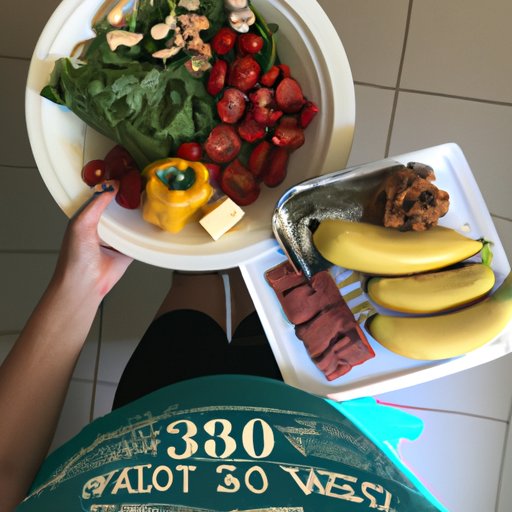
I decided to try the Whole 30 diet after seeing friends post about their success stories online. I had struggled with my weight for years, so I was hopeful that this program could help me reach my goals. I did a lot of research before starting the diet, including reading the official book, watching videos online, and talking to friends who had done the program. I was a bit intimidated by the strict rules and regulations, but I was determined to make it work.
A Day in the Life of a Whole 30 Dieter
A typical day on the Whole 30 diet would look something like this: For breakfast, I might have scrambled eggs with spinach, mushrooms, and tomatoes. For lunch, I might have a big salad with grilled chicken and a vinaigrette dressing. For dinner, I might have roasted salmon with steamed broccoli and sweet potatoes. For snacks, I might have an apple with almond butter or a handful of nuts. All of these meals are compliant with the Whole 30 diet and provide plenty of nutrition.
Benefits and Drawbacks of the Whole 30 Diet
The Whole 30 diet has many potential benefits, including improved digestion, better sleep, clearer skin, and increased energy levels. Additionally, research has shown that following the Whole 30 diet can lead to improved markers of cardiovascular health, such as lower cholesterol and triglyceride levels. This makes sense, since the diet promotes the consumption of whole, unprocessed foods that are rich in nutrients and fiber.
However, there are also some potential drawbacks to the diet, such as difficulty sticking to the program, feeling deprived, and difficulty finding certain foods in the grocery store. Additionally, some people may find the restrictions of the diet difficult to follow and may end up feeling overwhelmed or frustrated. It is important to remember that everyone’s experience with the Whole 30 diet will be different, and it is important to find what works best for you.

Interview with a Nutritionist about the Whole 30 Diet
I had the opportunity to speak with registered dietitian and nutritionist Laura Nelson about the Whole 30 diet. She recommends that anyone considering the diet should talk to a medical professional first, as the diet may not be suitable for everyone. She also recommends that people start slowly, adding one Whole 30 meal into their routine at a time. Lastly, she advises that people keep track of how they are feeling throughout the process, as it can be helpful to look back and see how far you’ve come.
How to Prepare for a Whole 30 Diet
Preparing for a Whole 30 diet can seem daunting, but it doesn’t have to be. The key is to plan ahead and set yourself up for success. Start by making a list of all the foods you need to buy and then create a shopping list. When you’re at the store, stick to the list and avoid buying any processed or packaged foods. Additionally, planning out your meals in advance can help make meal prep easier. Try writing down a few meal ideas and then create a grocery list based on those meals.

Popular Recipes for Whole 30 Dieters
One of the most challenging aspects of the Whole 30 diet is coming up with delicious and nutritious recipes. Luckily, there are plenty of recipes out there for Whole 30 dieters. For breakfast, try a breakfast scramble with veggies and eggs. For lunch, try a Cobb salad with grilled chicken and avocado. For dinner, try a sheet pan salmon with roasted Brussels sprouts. And for snacks, try almond butter and banana slices or hard-boiled eggs.
A Comparison of Whole 30 to Other Diets
The Whole 30 diet is often compared to other popular diets, such as the Paleo, Keto, Mediterranean, and Vegan diets. While all of these diets have their own unique guidelines, the Whole 30 diet is unique in that it emphasizes whole, unprocessed foods and eliminates certain food groups. Additionally, the Whole 30 diet is considered to be a short-term program, while other diets may be more long-term. Ultimately, the best diet for you is the one that works best for your lifestyle and health goals.
Conclusion
The Whole 30 diet is a 30-day program that emphasizes whole, unprocessed foods and eliminates certain food groups, such as added sugar, grains, legumes, dairy, and alcohol. The diet has many potential benefits, including improved digestion, better sleep, clearer skin, and increased energy levels. However, there are also some potential drawbacks to the diet, such as difficulty sticking to the program, feeling deprived, and difficulty finding certain foods in the grocery store. Ultimately, the best diet for you is the one that works best for your lifestyle and health goals.
If you are considering trying the Whole 30 diet, it is important to do your research and talk to a medical professional first. Additionally, it is important to plan ahead and set yourself up for success. Lastly, don’t forget to track how you’re feeling throughout the process. With a little bit of preparation, you can make the Whole 30 diet a successful part of your lifestyle.
Resources for Further Research
For more information about the Whole 30 diet, check out these resources:
- Official Whole 30 Website
- Whole 30 Diet and Cardiovascular Health: A Systematic Review
- Whole 30 Diet Meal Plan
-
(Note: Is this article not meeting your expectations? Do you have knowledge or insights to share? Unlock new opportunities and expand your reach by joining our authors team. Click Registration to join us and share your expertise with our readers.)