
Introduction
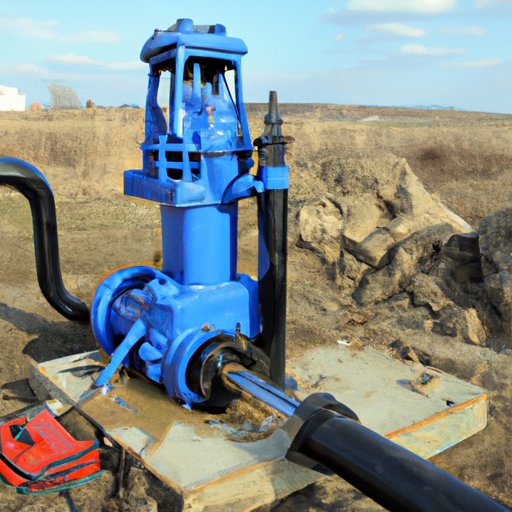
A well pump is an essential part of many homes that use a well for their water supply. It is responsible for pushing water from the well up to the house, where it can be used for various purposes. There are several different types of well pumps, each with its own advantages and disadvantages. In this article, we will take a look at what a well pump is, how it works, the different types available, the benefits of having one, cost considerations, troubleshooting tips, and maintenance advice.

How a Well Pump Works
The basic components of a well pump system include a pump, pressure tank, check valve, and pressure switch. The pump is located in the well itself and is responsible for pulling water up from the well and sending it to the pressure tank. The pressure tank stores the water until it is needed, which helps maintain a consistent water pressure throughout the house. The check valve prevents water from flowing back down into the well, while the pressure switch is responsible for turning the pump on and off as needed.
When the pressure in the tank drops below a certain level, the pressure switch signals the pump to turn on. The pump then starts to draw water up from the well and sends it to the pressure tank. When the pressure in the tank reaches a certain level, the pressure switch signals the pump to turn off. This process continues as long as there is water in the well, providing a steady supply of water to the home.
Types of Well Pumps
There are three main types of well pumps: shallow well pumps, deep well pumps, and submersible well pumps. Shallow well pumps are designed for wells that are no deeper than 25 feet. They are typically less expensive than other types of pumps, but they require more frequent maintenance and may not be able to handle large volumes of water. Deep well pumps are designed for wells that are deeper than 25 feet and can usually handle larger volumes of water. Submersible well pumps are installed inside the well and are usually the most efficient type of pump. However, they are also the most expensive option.
Benefits of Installing a Well Pump
Installing a well pump has several benefits. One of the most obvious is improved water pressure. Since the pump is constantly running, it ensures that there is always enough water pressure to meet the needs of the household. Additionally, well pumps are generally more efficient than other types of pumps, meaning they use less energy and cost less to operate. Finally, since well pumps are self-contained systems, they require less maintenance than other types of pumps, resulting in lower overall maintenance costs.
Cost Considerations for Well Pumps
When considering the cost of a well pump, there are two main factors to consider: initial installation costs and operational expenses. The cost of installation will depend on the type of pump being installed and the complexity of the job. Operational costs will vary depending on the size and type of pump, as well as usage levels. As a general rule, submersible pumps tend to have higher operational costs due to their increased efficiency.

Troubleshooting Common Well Pump Issues
If your well pump is not functioning properly, there are a few steps you can take to try and identify the issue. First, check for any leaks or blockages in the system. If there are none, then you should check to see if there are any electrical problems such as a blown fuse or tripped breaker. If the electrical system appears to be working correctly, then you should check the system pressure to make sure it is within the recommended range.

Maintenance Tips for Well Pumps
To ensure that your well pump is functioning properly, it is important to follow some basic maintenance tips. Regularly inspect the system for any potential problems, such as leaks or blockages. Make sure to clean and replace filters as needed to keep the system running efficiently. Finally, monitor system performance by checking the pressure and flow rate regularly to make sure the pump is working as it should.
Conclusion
Well pumps are an essential part of many homes that rely on a well for their water supply. There are several different types of well pumps available, each with its own advantages and disadvantages. Understanding the different types of well pumps, the benefits of installing one, cost considerations, troubleshooting tips, and maintenance advice can help homeowners make an informed decision when selecting the best pump for their needs.
(Note: Is this article not meeting your expectations? Do you have knowledge or insights to share? Unlock new opportunities and expand your reach by joining our authors team. Click Registration to join us and share your expertise with our readers.)