
Introduction
The wedding money dance is a longstanding tradition that has been part of weddings for centuries. But what exactly is a wedding money dance? This guide will provide an in-depth exploration of the wedding money dance, including its history, cultural significance, and tips for making it a memorable and meaningful experience for everyone involved.
A Guide to the Wedding Money Dance – What It Is and How to Make It Fun
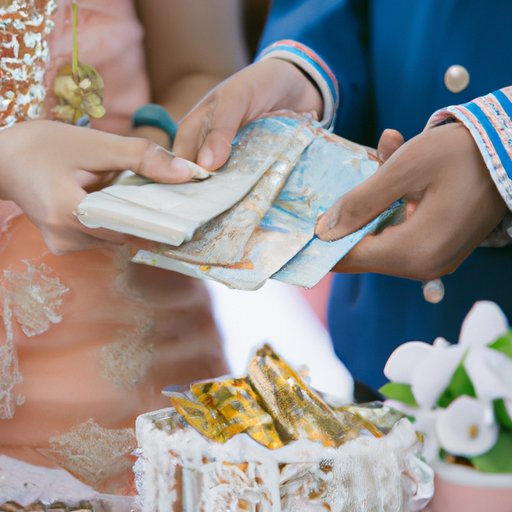
A wedding money dance is an event held during a wedding reception where guests pay money to dance with the bride or groom. The purpose of the money dance is to give the bride and groom a financial gift, usually in the form of cash, that they can use to start their married life together.
What is a Wedding Money Dance?
At a money dance, guests line up and take turns dancing with the bride or groom for a few seconds. During this time, the guest will slip some cash into the bride or groom’s pocket or apron. The amount of money given depends on the guest’s relationship with the couple and their financial situation.
Benefits of a Wedding Money Dance
The wedding money dance offers several benefits for the bride and groom. First, it provides them with a financial gift that they can use to help pay for their honeymoon or other expenses related to their new life together. Second, it gives the couple an opportunity to interact with their guests in a fun and unique way. Finally, it adds an element of excitement to the wedding reception that guests are sure to remember.
Tips for Making the Wedding Money Dance Fun
To make the money dance more enjoyable for both the bride and groom and their guests, there are a few things you can do. First, make sure the music is upbeat and lively so that guests are encouraged to have a good time. You can also add props like hats, scarves, and gloves for the bride and groom to wear while they’re dancing. Finally, you can offer incentives such as small prizes for the person who gives the most money.
The History of the Wedding Money Dance: Where Did It Come From?
The origin of the wedding money dance dates back to ancient times. In cultures around the world, it was believed that when a couple was married, they should receive gifts from their loved ones to symbolize their new life together. This custom eventually evolved into the modern wedding money dance, which is now a popular tradition at many weddings.
Origins of the Wedding Money Dance
The wedding money dance is believed to have originated in Europe, although it has been adopted by cultures around the world. In Europe, the wedding money dance began as a way for family members and friends to show their love and support for the newlyweds. By giving money, they were wishing the couple good luck and prosperity in their new life together.
Cultural Significance of the Wedding Money Dance
The wedding money dance has taken on a variety of forms over the years. In some cultures, the money dance is a way for guests to express their joy and appreciation for the couple. In others, it is seen as a way for the bride and groom to collect money for their future. Regardless of the cultural context, the wedding money dance is a beloved tradition that is still widely practiced today.
Exploring the Cultural Significance of the Wedding Money Dance
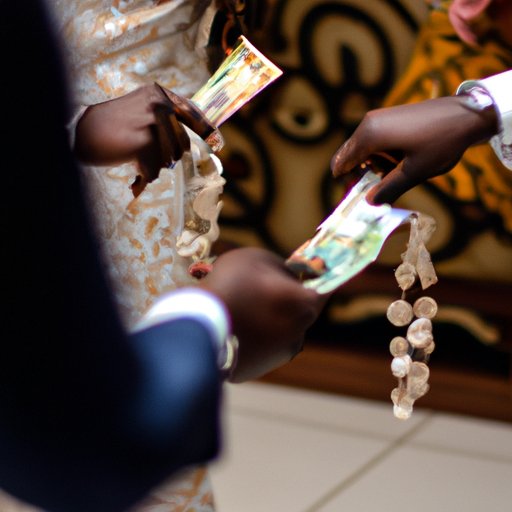
The wedding money dance has deep cultural roots that vary depending on the region. For example, in some Latin American countries, the money dance is a symbolic way for the bride and groom to ask for blessings from their guests. In the Middle East, the money dance is a way for the bride and groom to thank their families and friends for their generosity.
Traditional Customs Surrounding the Wedding Money Dance
In some cultures, there are specific customs that accompany the wedding money dance. For example, in Greece, it is traditional for the bride and groom to wear a crown made of coins during the money dance. This is meant to symbolize their union and bring them luck in their married life. In other cultures, the money dance is accompanied by singing and dancing to celebrate the couple’s special day.
Different Interpretations of the Wedding Money Dance
Today, the wedding money dance is interpreted differently depending on the culture. In some places, it is seen as a way to give the bride and groom a financial gift. In others, it is seen as a way to bring the couple luck and abundance. Whatever the interpretation, the wedding money dance is a timeless tradition that is still practiced at many weddings today.
Tips for Throwing an Unforgettable Wedding Money Dance
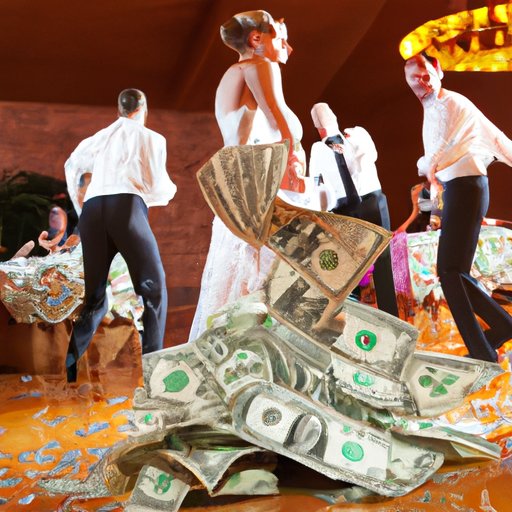
The wedding money dance is a great way to add a special touch to your wedding reception. Here are some tips for making your money dance an unforgettable experience for everyone involved.
How to Create an Engaging Atmosphere
To ensure that everyone has a good time at your wedding money dance, it’s important to create an engaging atmosphere. Start by playing upbeat music to get people in the mood to dance. You can also set up a photo booth or hire a caricaturist to entertain guests while they’re waiting their turn to dance.
How to Ensure Guests Have a Great Time
Making sure your guests have a great time at the money dance is essential. To do this, you should encourage your guests to get involved by teaching them the steps to the dance or having them join in a conga line. You can also provide food and drinks to keep the energy high.
How to Ensure Guests Have a Great Time at Your Wedding Money Dance
There are several ways to make your wedding money dance even more fun and memorable. Here are some ideas for activities to accompany the money dance and make it even more exciting.
Ideas for Unique Activities to Accompany the Wedding Money Dance
Consider adding some unique activities to your money dance. For example, you could have a raffle where guests can win prizes for donating the most money. You could also have a game of musical chairs, where the last person standing wins a prize. Or you could have a contest where guests compete to see who can dance the longest with the bride or groom.
Ways to Make the Money Dance More Exciting
To make the money dance even more exciting, you can offer different types of rewards for donating money. For example, you could give away gift cards, tickets to a local attraction, or a special dinner out. You could also offer discounts on services like photography, videography, or catering.
Conclusion
The wedding money dance is a beloved tradition that has been part of weddings for centuries. It is a way for family and friends to show their love and support for the newlyweds and wish them luck in their new life together. This guide explored the history and cultural significance of the wedding money dance, as well as tips for making it a memorable and meaningful experience for everyone involved.
Summary of Key Points
The wedding money dance is an event held during a wedding reception where guests pay money to dance with the bride or groom. It is believed to have originated in Europe and is now a popular tradition at many weddings. The wedding money dance has deep cultural roots that vary depending on the region, and it is often accompanied by traditional customs and activities. To make the money dance a memorable and meaningful experience for everyone involved, it is important to create an engaging atmosphere and offer incentives such as small prizes for the person who gives the most money.
Final Thoughts
The wedding money dance is a timeless tradition that is still widely practiced today. Whether you choose to incorporate it into your own wedding or not, it is an event that has been part of weddings for centuries and will continue to be for many more.
(Note: Is this article not meeting your expectations? Do you have knowledge or insights to share? Unlock new opportunities and expand your reach by joining our authors team. Click Registration to join us and share your expertise with our readers.)