
Introduction
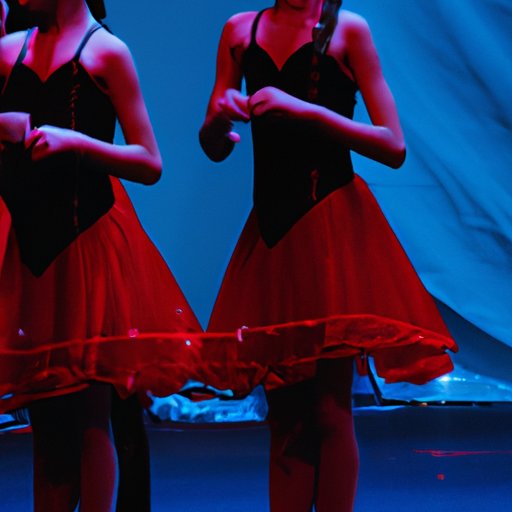
A dance recital is a performance of various dance styles by trained dancers. It may feature one or more dance styles, such as ballet, jazz, contemporary, tap, and hip hop. The purpose of a dance recital is to showcase the talent and hard work of the dancers, as well as to provide entertainment to an audience. This article will provide a comprehensive guide to planning and executing a dance recital, as well as tips on how to make the most out of the experience.

A Comprehensive Guide to Planning and Executing a Dance Recital
Planning a successful dance recital requires careful consideration and preparation. To begin, it is important to research and secure an appropriate venue for the performance. The venue should be large enough to accommodate the expected audience size and have access to necessary amenities, such as lighting, sound equipment, and dressing rooms. Once the venue has been secured, the next step is to select the music, costumes, and rehearsal schedules. A wide variety of music can be used to create a unique and engaging performance. Costumes should be chosen carefully to reflect the theme and style of the dances being performed. Lastly, rehearsal schedules should be established to ensure that all dancers are adequately prepared for the recital.
In addition to securing a venue, it is also important to identify potential audience members. Invitations can be sent out prior to the performance to encourage attendance. Social media can also be utilized to spread the word about the recital and encourage people to attend. Finally, it is important to advertise the event in local newspapers and other media outlets.

The Benefits of Participating in a Dance Recital
Participating in a dance recital can provide many benefits to the performers. One of the most significant benefits is improved self-confidence. As dancers practice and perfect their routines, they become more confident in their abilities and develop a sense of pride in their accomplishments. Additionally, participating in a dance recital can help increase physical strength and flexibility. Through regular rehearsals and performances, dancers can build muscle and enhance their range of motion. Finally, participating in a dance recital can help dancers develop and refine their performance skills. By performing in front of an audience, dancers gain valuable experience and learn how to better engage with their audiences.

How to Prepare for a Dance Recital
To ensure a successful performance, it is important to properly prepare for a dance recital. First, it is essential to practice proper technique and form. Dancers should strive to perfect each step and movement before the recital. Additionally, it is important to set realistic goals. Dancers should focus on improving their overall performance, rather than striving for perfection. Finally, it is important to develop a positive attitude. Having a positive mindset can help reduce stress and anxiety and ensure a successful performance.
Tips for Making the Most Out of a Dance Recital
Making the most out of a dance recital requires a combination of preparation and enjoyment. First, it is important to enjoy yourself! Dancing should be fun, so it is important to keep a positive attitude and have fun with your routine. Additionally, it is important to focus on your performance. Concentrate on executing each move correctly and making the most out of each moment. Finally, it is important to stay positive and encouraged. Remember to take breaks and acknowledge your accomplishments throughout the process.
What to Expect When Attending a Dance Recital
When attending a dance recital, there are certain things you can expect. Depending on the type of recital, you can expect to see a variety of dance styles. For example, a ballet recital may include performances of pointe, pas de deux, and variations. Similarly, a jazz recital may include performances of lyrical, contemporary, and hip hop dances. Additionally, the length of the performance can vary depending on the number of dancers and the types of dances being performed. Most recitals last between 1-2 hours. Finally, some recitals may include audience participation. Audience members may be asked to clap along or join in on certain movements.

An Overview of the Different Types of Dance Recitals
There are several different types of dance recitals. Ballet recitals typically feature classical works and choreography, such as Swan Lake and The Nutcracker. Jazz recitals may include musical theater numbers, as well as popular songs. Tap recitals often feature intricate rhythms and footwork. Hip hop recitals may include a mix of old school and new school moves. Finally, contemporary recitals may include modern pieces and improvisation.
Behind the Scenes: A Look at the Process of Putting on a Dance Recital
Putting on a dance recital is no small feat. There are many elements that must be taken into consideration and managed in order to ensure a successful performance. This includes hiring and directing staff, such as choreographers, music directors, and costume designers. Additionally, supplies must be purchased for the performance, including costumes, props, and makeup. The stage must also be prepared for the performance. This includes setting up lights, sound equipment, and decorations. Lastly, finances must be managed in order to cover the costs of putting on the recital.
Conclusion
A dance recital is a wonderful opportunity for dancers to share their talents and gain confidence. This article provided a comprehensive guide to planning and executing a dance recital, as well as tips on how to make the most out of the experience. Additionally, an overview of the different types of recitals was provided, as well as a look at the behind-the-scenes process of putting on a recital. With proper planning and preparation, a dance recital can be a rewarding experience for both the performers and the audience.
In conclusion, participating in a dance recital can be a fun and exciting experience. It can help dancers improve their skills, gain confidence, and build relationships with their peers. With careful planning and preparation, a dance recital can be a successful and memorable event.
(Note: Is this article not meeting your expectations? Do you have knowledge or insights to share? Unlock new opportunities and expand your reach by joining our authors team. Click Registration to join us and share your expertise with our readers.)