
Introduction
Starting a cleaning business can be an excellent way to become your own boss and start a profitable business venture. According to the Bureau of Labor Statistics, employment of janitors and cleaners is projected to grow 10 percent from 2018 to 2028, faster than the average for all occupations. To ensure success when starting a cleaning business, it is important to have a comprehensive understanding of the industry, the market, and the necessary steps to get started.
Definition of a Cleaning Business
A cleaning business is typically a service-based business that provides cleaning services to residential and commercial customers. Cleaning businesses may specialize in certain areas such as carpet cleaning, window washing, or housekeeping, or they may offer a variety of services. Depending on the type of business, services may be provided on a one-time basis or on a recurring basis.

Overview of the Benefits of Starting a Cleaning Business
Starting a cleaning business can provide a number of benefits. It can be relatively easy to start, with minimal overhead costs and a low barrier to entry. Additionally, there is a steady demand for cleaning services, so businesses are able to generate consistent revenue. Furthermore, cleaning businesses can be scaled up quickly, allowing owners to quickly expand their customer base and increase their profits.

Outlining a Business Plan for Starting a Cleaning Business
Before starting a cleaning business, it is important to create a detailed business plan. A business plan should include a market analysis to identify potential customers, financial projections, goals and objectives, and a budget. Developing a business plan can help entrepreneurs stay organized and focused on their business’s growth and development.
Researching the Market and Identifying Potential Customers
The first step in creating a business plan is to do research into the market and identify potential customers. Entrepreneurs should look into local demographics to determine who is likely to need their services. They should also consider their target audience, such as homeowners, businesses, or both. It is also important to research competitors in the area to determine what services they offer and how they price their services.
Establishing Goals and Objectives
Once potential customers have been identified, it is important to set goals and objectives for the business. Goals should be specific, measurable, achievable, relevant, and time-bound (SMART). For example, a goal might be to increase sales by 10 percent within six months. Objectives, on the other hand, are specific actions that must be taken that will help the business reach its goals. Examples of objectives could include increasing online presence through social media platforms or launching a new product or service.
Setting Up a Budget and Financial Plan
Creating a budget and financial plan is an important part of any business plan. The budget should include expenses such as rent, utilities, payroll, insurance, and taxes. It should also include revenue from customers and any additional sources of income. Additionally, entrepreneurs should create a financial plan that outlines how they will manage their finances and how they will fund their business.
Identifying Necessary Equipment and Supplies for a Cleaning Business
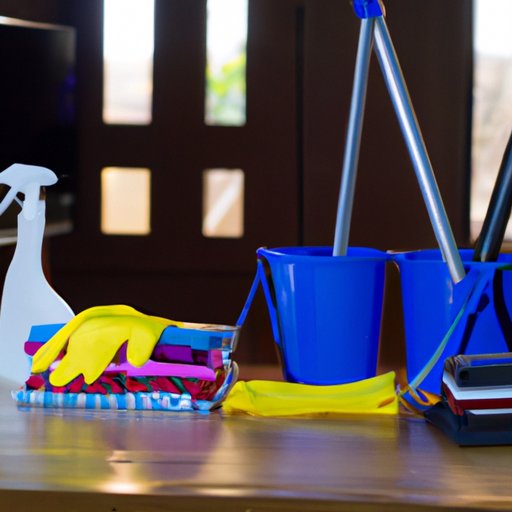
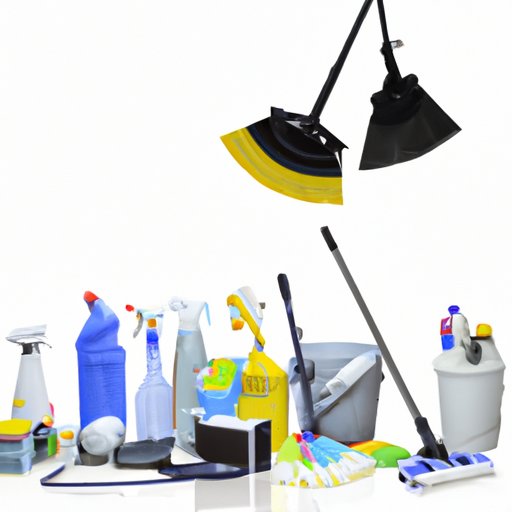
In order to run a successful cleaning business, entrepreneurs must have the right equipment and supplies. Basic cleaning supplies include items such as mops, buckets, sponges, and cleaning solutions. Commercial cleaning equipment may include vacuums, steam cleaners, and pressure washers. Safety equipment, such as gloves, masks, and safety glasses, should also be used when cleaning.
List of Basic Cleaning Supplies
Basic cleaning supplies include all the items necessary to clean a home or business. These items include mops, buckets, sponges, cleaning solutions, scrub brushes, dusters, and microfiber cloths. It is important to select products that are safe to use and effective at cleaning.
Commercial Cleaning Equipment
Commercial cleaning equipment can be used to clean larger spaces more efficiently. This type of equipment includes vacuums, steam cleaners, pressure washers, and floor buffers. It is important to select equipment that is durable and reliable, as well as easy to use and maintain.
Safety Equipment
When cleaning, it is important to use the proper safety equipment. This includes items such as gloves, masks, and safety glasses. It is also important to use the right cleaning solutions and to follow safety instructions when using equipment.
Discussing the Benefits of Hiring Employees or Outsourcing Cleaning Services
When starting a cleaning business, entrepreneurs must decide whether to hire employees or outsource cleaning services. Each option has its own advantages and disadvantages, so it is important for entrepreneurs to weigh their options before making a decision.
Advantages of Hiring Employees
Hiring employees comes with a number of advantages. Employees are typically more reliable and loyal than outsourced services, and they can be trained to meet the needs of the business. Additionally, having employees can help businesses save money on taxes and other costs associated with outsourcing services.
Advantages of Outsourcing Cleaning Services
Outsourcing cleaning services can also be beneficial for businesses. Outsourcing allows businesses to save money on labor costs, as well as the cost of purchasing and maintaining equipment. Additionally, outsourcing can help businesses fill gaps in staffing during busy times or when employees are unavailable.
Explaining How to Market a Cleaning Business
Marketing is essential for the success of any business, and this is especially true for cleaning businesses. To effectively market a cleaning business, entrepreneurs must define their target audience, develop a marketing plan, and utilize social media.
Defining Your Target Audience
The first step in marketing a cleaning business is to define your target audience. This should include the types of customers you want to target, such as homeowners or businesses, as well as the geographic area you want to serve. Once your target audience has been identified, you can begin to develop a marketing plan.
Developing a Marketing Plan
A marketing plan should include strategies for reaching your target audience. This could include traditional marketing tactics such as print advertising, direct mail, and radio or television commercials. It could also include digital marketing tactics such as email marketing, search engine optimization (SEO), and pay-per-click (PPC) campaigns.
Using Social Media to Promote Your Business
Social media is a powerful tool for promoting a business. Business owners can use social media platforms such as Facebook, Twitter, and Instagram to reach potential customers. They can also use social media to engage with customers, build relationships, and promote special offers and discounts.

Providing Tips on How to Manage a Cleaning Business Successfully
Managing a cleaning business successfully requires time management, delegation of responsibilities, and keeping track of finances. These tips can help entrepreneurs manage their business efficiently and maximize their profits.
Managing Time Effectively
Time management is key to running a successful cleaning business. Entrepreneurs should create a schedule that outlines tasks that need to be completed each day and week. They should also prioritize tasks and delegate responsibilities whenever possible.
Delegating Responsibilities
When managing a cleaning business, it is important to delegate responsibilities whenever possible. This could include hiring employees or outsourcing services. Delegating responsibilities can help ensure that tasks are completed effectively and efficiently.
Keeping Track of Finances
It is also important to keep track of finances when running a cleaning business. Business owners should track expenses and income regularly, as well as create a budget and financial plan. Keeping track of finances can help ensure that the business is running smoothly and is profitable.
Conclusion
Starting a cleaning business can be a great way to become your own boss and make a profit. To ensure success, entrepreneurs must create a business plan, identify necessary equipment and supplies, hire employees or outsource services, develop a marketing plan, and manage their business efficiently. By following these steps, entrepreneurs can start a successful cleaning business and achieve their goals.
(Note: Is this article not meeting your expectations? Do you have knowledge or insights to share? Unlock new opportunities and expand your reach by joining our authors team. Click Registration to join us and share your expertise with our readers.)