

Introduction
Companion planting is an age-old gardening practice that involves strategically pairing different plants in order to maximize their growth potential and optimize yields. Plants can be selected based on their ability to support one another’s health and growth, or simply because they are aesthetically pleasing when planted together. This method of planting has been used since ancient times and is still widely practiced today.
When it comes to companion planting with cucumbers, there are many benefits to be gained. The right combination of vegetables can increase yields, reduce pest damage, and create a more balanced garden environment. In this article, we’ll explore what grows well with cucumbers, as well as the various tips and techniques you can use to maximize your yields.
Growing Other Crops in Tandem With Cucumbers
Cucumbers are a popular vegetable to grow in the home garden. They’re relatively easy to manage and can produce high yields. When selecting companion plants to grow alongside cucumbers, it’s important to consider the overall needs of the plants and the space available. Here are some of the best complementary vegetables to plant alongside cucumbers:
- Beans
- Carrots
- Corn
- Lettuce
- Onions
- Peas
- Radishes
- Spinach
- Squash
- Tomatoes
When planting cucumbers with other vegetables, it’s important to take into account the size and growth habit of each plant. For example, tomatoes and squash need more space than lettuce or carrots. Additionally, taller plants should be placed at the back of the bed, while shorter plants should be placed at the front.
When planting in tandem with cucumbers, it’s also important to make sure the soil is properly prepared. Dr. David Wolfe, a professor of horticulture at Cornell University, recommends adding compost or aged manure to enrich the soil before planting. “Adding organic material to the soil will help improve the structure and drainage, which is essential for the healthy growth of cucumbers and other vegetables,” he says.

How to Maximize Yields When Planting Alongside Cucumbers
In addition to preparing the soil prior to planting, there are several other techniques you can use to maximize yields when planting alongside cucumbers. Understanding soil nutrients and water requirements, using mulch and compost, and pruning and training techniques can all have a positive impact on cucumber yields.
Soil nutrients and water requirements vary depending on the type of cucumber being grown. For instance, some cucumbers require higher levels of nitrogen and potassium, while others need more phosphorus and calcium. Understanding the specific nutrient requirements of your cucumber variety is key to maximizing yields.
Using mulch and compost is another great way to ensure optimal growth and yields. Mulch helps keep the soil moist and reduces the need for frequent watering, while compost adds valuable nutrients to the soil. Adding mulch and compost to the soil can help ensure cucumbers receive the nutrients they need to stay healthy and productive.
Pruning and training techniques are also beneficial when growing cucumbers alongside other vegetables. Pruning helps to control the growth of the cucumber vines and keep them from spreading too far. Training the vines allows you to direct the growth of the cucumber plants and maximize yields.

How to Create a Balanced Garden by Growing Cucumbers with Complementary Vegetables
Intercropping is a technique that combines two or more crops in the same area. This method of companion planting has been used by farmers for centuries and is still widely practiced today. Intercropping can help create a balanced garden environment and provide a number of benefits, including increased yields, improved pest control, and reduced weed growth.
The key to successful intercropping is understanding the benefits of each plant and how they can work together. For example, legumes such as beans and peas fix nitrogen in the soil, which can be beneficial to other plants. Additionally, certain plants can act as natural repellents for pests, while others can help attract beneficial insects. It’s important to select plants that will complement each other and create a balanced garden environment.
Here are some recommended plant combinations for intercropping with cucumbers:
- Cucumber + Beans + Corn
- Cucumber + Lettuce + Radish
- Cucumber + Peas + Spinach
- Cucumber + Tomato + Squash
Making the Most of Growing Space with Cucumber Intercropping
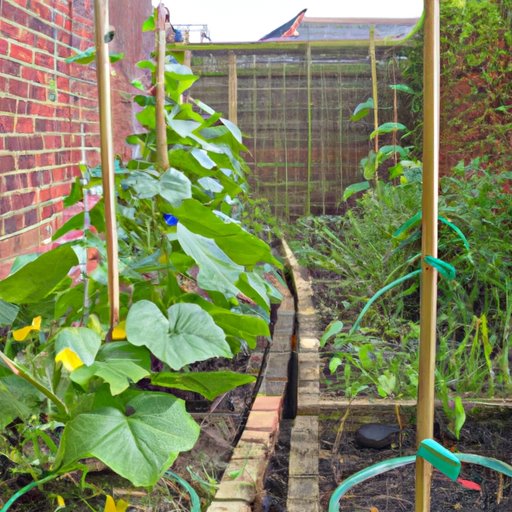
Intercropping with cucumbers can help make the most of limited growing space. When arranging plants in an intercropping system, it’s important to consider the size and growth habits of each plant. Taller plants should be placed at the back of the bed, while shorter plants should be placed at the front. Additionally, it’s important to leave enough space between plants to ensure adequate air circulation.
Once the plants are arranged, proper care and maintenance is essential for ensuring maximum yields. Regular watering and fertilizing is important, as is removing weeds and controlling pests. Additionally, pruning and training may be necessary to control the growth of the cucumber vines and maximize yields.
Conclusion
Companion planting with cucumbers has multiple benefits, from optimizing yields to creating a balanced garden. By understanding the specific needs of each plant and selecting the right companion plants, you can maximize yields and create a thriving garden environment. Proper preparation of the soil, use of mulch and compost, and pruning and training techniques can all help ensure cucumbers receive the nutrients they need to stay healthy and productive. With the right combination of plants and proper care, you can make the most of your limited growing space and enjoy the bountiful harvests that come with companion planting.
(Note: Is this article not meeting your expectations? Do you have knowledge or insights to share? Unlock new opportunities and expand your reach by joining our authors team. Click Registration to join us and share your expertise with our readers.)