
Introduction
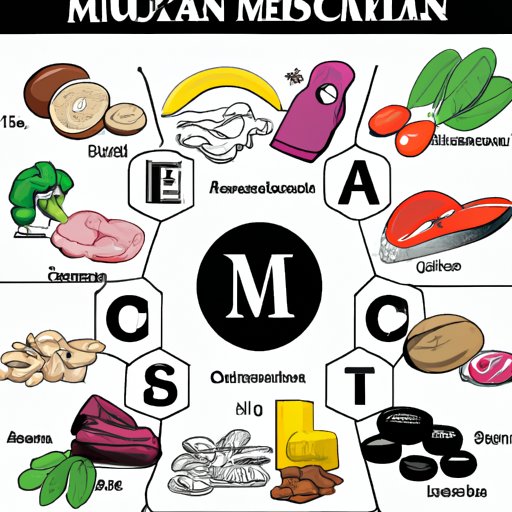
Minerals are essential nutrients that are required by the body in order to function properly. They are responsible for many bodily processes, including the proper functioning of hormones, enzymes, and other vital systems. Minerals are found naturally in many foods and can also be taken as a supplement. Eating a balanced diet that includes plenty of mineral-rich foods is the best way to ensure your body gets the minerals it needs.

The Essential Minerals Found in Common Foods
There are several important minerals that are found in most common foods. These include calcium, iron, magnesium, potassium, and zinc. Each of these minerals plays an important role in the body and should be included in a healthy diet.
Calcium is essential for strong bones and teeth, as well as for muscle contraction and nerve impulse transmission. Dairy products such as milk, cheese, and yogurt are some of the best sources of calcium. Other good sources include leafy greens, nuts, and legumes.
Iron is important for the formation of red blood cells and for transporting oxygen throughout the body. Iron is found in many animal-based foods such as beef, chicken, and fish, as well as in plant-based foods such as beans, lentils, and dark leafy greens. It is also found in fortified cereals and breads.
Magnesium is necessary for healthy bones and muscles, and it also helps regulate blood sugar levels. Magnesium is found in many green vegetables such as spinach and broccoli, as well as in whole grains, nuts, and seeds.
Potassium is important for maintaining fluid balance in the body, as well as for regulating blood pressure. Good sources of potassium include bananas, oranges, potatoes, and avocados.
Zinc is important for immune system function, wound healing, and growth and development. Zinc can be found in lean meats, shellfish, legumes, nuts, and whole grains.
A Comprehensive Guide to the Different Types of Minerals Found in Food
Minerals can be divided into two categories: macro-minerals and trace minerals. Macro-minerals are those that the body needs in larger amounts, such as calcium, magnesium, and potassium. Trace minerals are those that the body needs in smaller amounts, such as iron, zinc, and selenium.
The Recommended Dietary Allowance (RDA) for each type of mineral varies depending on age and gender. For example, the RDA for calcium is 1,000 milligrams per day for adults, while the RDA for iron is 8 milligrams per day for adult men and 18 milligrams per day for adult women.
Exploring the Health Benefits of Eating Foods Rich in Minerals
Eating a diet that is rich in minerals can have numerous health benefits. Here are a few of the ways that minerals can improve your overall health:
Improved Bone Health
Calcium is essential for strong bones and teeth, and getting enough of this mineral can help reduce the risk of osteoporosis and fractures. According to a study published in The British Medical Journal, consuming adequate amounts of calcium can help maintain bone density and reduce the risk of bone loss.
Enhanced Immune System Function
Zinc is essential for the proper functioning of the immune system. A study published in the journal Nutrients found that zinc supplementation can help reduce the duration and severity of upper respiratory tract infections.
Improved Metabolism
Magnesium is important for metabolism and energy production. A study published in the journal Nutrients found that magnesium can help improve insulin sensitivity and glucose control, which can help reduce the risk of diabetes.

An Overview of the Dietary Sources of Important Minerals
Including a variety of mineral-rich foods in your diet is the best way to ensure you are getting all the minerals your body needs. Here are some examples of foods that are high in certain minerals:
Calcium-rich Foods
Dairy products such as milk, cheese, and yogurt; leafy greens such as kale and spinach; almonds; sardines; and fortified cereals and juices.
Iron-rich Foods
Beef, chicken, and fish; beans, lentils, and dark leafy greens; fortified cereals and breads; and nuts and seeds.
Magnesium-rich Foods
Green vegetables such as spinach and broccoli; whole grains such as quinoa and oatmeal; nuts and seeds; and dark chocolate.
Potassium-rich Foods
Bananas, oranges, potatoes, tomatoes, and avocados; nuts and seeds; and yogurt.
Zinc-rich Foods
Lean meats, shellfish, legumes, nuts, and whole grains; eggs; and fortified cereals.

Eating for Optimal Mineral Intake: What You Should Know
Including a variety of mineral-rich foods in your diet is the best way to ensure you are getting the minerals your body needs. Here are a few tips for increasing your mineral intake:
- Eat a variety of fruits and vegetables every day.
- Choose whole grain breads and pastas instead of refined grains.
- Include lean proteins such as fish, poultry, and legumes in your diet.
- Snack on nuts and seeds for a quick and easy source of minerals.
- Add herbs and spices to your meals for added flavor and minerals.
If you are concerned about not getting enough minerals from your diet, you may want to consider taking a supplement. However, it is important to talk to your doctor before taking any supplements to make sure they are right for you.
Conclusion
Minerals are essential nutrients that play an important role in many bodily processes. Eating a balanced diet that includes plenty of mineral-rich foods is the best way to ensure your body gets the minerals it needs. There are a variety of foods that are high in minerals, and including these in your diet can have numerous health benefits. If you are concerned about not getting enough minerals from your diet, you may want to consider taking a supplement. It is always a good idea to talk to your doctor before taking any supplements.
(Note: Is this article not meeting your expectations? Do you have knowledge or insights to share? Unlock new opportunities and expand your reach by joining our authors team. Click Registration to join us and share your expertise with our readers.)