
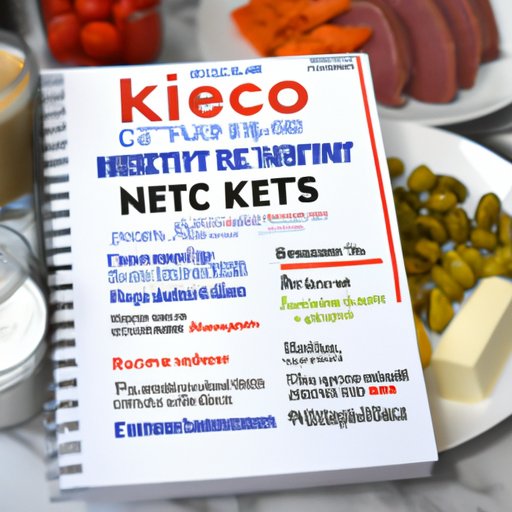

Introduction: Overview of the Benefits of Eating a Keto Diet
The keto diet has become increasingly popular in recent years, with many people turning to this low-carb, high-fat diet as a way to lose weight and improve their overall health. The keto diet is based on the idea of reducing carbohydrates and increasing healthy fats in order to put your body into a state of ketosis, which helps to burn fat more efficiently and promote weight loss.

Definition of the Keto Diet
The keto diet is a very low-carbohydrate, high-fat diet. It involves drastically reducing carbohydrate intake and replacing it with fat. This reduction in carbs puts your body into a metabolic state called ketosis. When this happens, your body becomes incredibly efficient at burning fat for energy. It also turns fat into ketones in the liver, which can supply energy for the brain.
A Comprehensive Guide to Foods You Can Eat on a Keto Diet
When following a keto diet, it’s important to know what types of food you can eat and how much of each type. Here’s a comprehensive guide to the types of food that can be included in a keto diet:
Fats and Oils
Fats and oils are an important part of the keto diet, as they provide energy and essential fatty acids. Healthy sources of fat include olive oil, coconut oil, avocado oil, butter, ghee, lard, and tallow. Other sources of fat such as nuts, seeds, and avocados are also allowed.
Proteins
Protein is an important macronutrient for maintaining muscle mass and keeping hunger at bay. Protein sources such as eggs, poultry, fish, beef, pork, and organ meats are all allowed on the keto diet. Plant-based proteins such as tofu and tempeh are also allowed in moderation.
Vegetables
Vegetables are an important source of vitamins, minerals, and fiber, and should be included in any healthy diet. Non-starchy vegetables such as leafy greens, cruciferous vegetables, mushrooms, and peppers are all allowed on the keto diet. Starchy vegetables such as potatoes, sweet potatoes, and corn should be avoided.
Dairy Products
Dairy products such as cheese, yogurt, and heavy cream are allowed on the keto diet in moderation. It’s important to choose full-fat versions of these products to get enough fat and calories. Some people may need to limit or avoid dairy due to allergies or sensitivities.
Nuts and Seeds
Nuts and seeds are a great source of healthy fats and protein. Almonds, walnuts, pecans, macadamia nuts, chia seeds, flaxseeds, pumpkin seeds, and sunflower seeds are all allowed on the keto diet. However, it’s important to keep portions small as these foods are high in calories.
Beverages
Water is essential for health, so it’s important to stay hydrated when following a keto diet. Other beverages such as unsweetened tea and coffee are also allowed. However, sugary drinks such as soda and juice should be avoided.
Meal Planning Tips for Eating Keto-Friendly Meals
Eating a keto diet can seem intimidating at first, but with some planning and preparation, it can be easy to stick to. Here are some tips for making keto-friendly meals:
Preparing Keto-Friendly Meals Ahead of Time
Preparing meals ahead of time can help make it easier to stick to the keto diet. Meal prepping involves cooking several meals at once, which can then be stored in the refrigerator or freezer for future use. This can save time and make it easier to stay on track with the diet.

Making Use of Grocery Delivery Services
Grocery delivery services such as Instacart and Amazon Fresh can be a great way to make sure you have keto-friendly ingredients on hand. This can be especially helpful if you don’t have time to go to the store or live in an area where fresh produce is scarce.
Incorporating Variety into Your Diet
Eating the same meals over and over again can quickly become boring, so it’s important to incorporate variety into your diet. Try experimenting with different ingredients and flavors to keep things interesting. You may also want to try out new recipes to keep your meals exciting.
What Foods Are Not Allowed on the Keto Diet?
It’s important to know which foods are not allowed on the keto diet in order to ensure success. Foods to avoid include grains, legumes, processed foods, and sugary foods and drinks.
A Beginner’s Guide to Creating Low-Carb, Keto-Friendly Recipes
Creating keto-friendly recipes can be a great way to add variety to your diet while staying within the guidelines of the diet. Here are some tips for creating delicious, low-carb recipes:
Finding Low-Carb Alternatives to High-Carb Dishes
There are lots of low-carb alternatives to traditional high-carb dishes. For example, cauliflower rice can be used in place of regular rice, zucchini noodles can be used instead of pasta, and almond flour can be used in place of wheat flour. These swaps can help you create delicious, keto-friendly dishes.
Substituting Ingredients
Substituting ingredients in recipes is another great way to create keto-friendly dishes. For example, you can use avocado oil instead of vegetable oil, Greek yogurt instead of sour cream, and almond milk instead of cow’s milk. This can help to reduce the carb content of recipes while still providing great flavor.

Adding Flavor with Herbs and Spices
Herbs and spices are a great way to add flavor to keto-friendly dishes without adding carbs. Common herbs and spices such as garlic, onion, oregano, basil, rosemary, and thyme can all be used to add flavor to dishes without adding carbs. Experimenting with different herbs and spices can help to keep meals interesting.
The Benefits of Eating a Keto Diet: How it Can Help You Lose Weight and Improve Health
Eating a keto diet can have numerous health benefits, including improved metabolism, increased energy levels, lower blood sugar and insulin levels, and decreased appetite and cravings. According to a study published in Nutrition & Metabolism, “The ketogenic diet appears to be a viable option for achieving sustainable weight loss and improving metabolic health.”
Conclusion
The keto diet is a great way to lose weight and improve overall health. It involves reducing carbohydrate intake and increasing healthy fats, as well as incorporating a variety of keto-friendly foods into your diet. With careful planning and preparation, it can be easy to stick to the keto diet and reap the many benefits it has to offer.
(Note: Is this article not meeting your expectations? Do you have knowledge or insights to share? Unlock new opportunities and expand your reach by joining our authors team. Click Registration to join us and share your expertise with our readers.)