
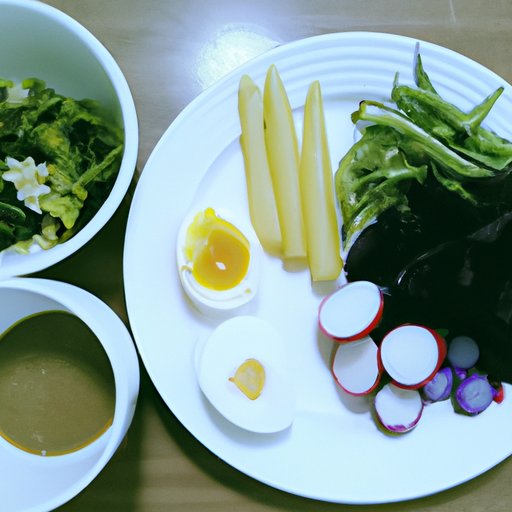
Introduction
Making healthy choices is essential to leading a balanced lifestyle. While it may be tempting to indulge in unhealthy snacks and fast food, it’s important to remember that what we eat has an impact on our overall health and well-being. So, what foods can we eat to make sure that we’re getting the nutrition we need? This article will explore healthy eating options as well as recipes for nutritious and delicious meals.

Healthy Foods to Incorporate Into Everyday Meals
When it comes to eating healthy, the key is to focus on incorporating whole, unprocessed ingredients into your meals. Here are some of the top healthy foods to consider:
Whole Grains
Whole grains, such as oats and quinoa, are packed with fiber, B vitamins, iron, magnesium, and other important nutrients. They’re also a great source of complex carbohydrates, which provide energy without spiking blood sugar levels. Try adding whole grains to salads, soups, and breakfast bowls for an extra boost of nutrition.
Lean Proteins
Lean proteins, such as beans, legumes, nuts, eggs, fish, and lean meats, are essential for maintaining muscle mass and providing essential amino acids. They’re also a great source of iron, zinc, and B vitamins. Incorporate lean proteins into meals by adding them to salads, stir-fries, and even smoothies.
Healthy Fats
Healthy fats, such as those found in avocados, olives, nuts, and seeds, are important for providing energy and helping our bodies absorb fat-soluble vitamins. They’re also great for adding flavor and texture to dishes. Try adding healthy fats to omelets, salads, and even desserts for an extra boost of nutrition.

Recipes for Nutritious and Delicious Meals
Eating healthy doesn’t have to be boring or expensive. Here are some recipes for nutritious and delicious meals that won’t break the bank:
Inexpensive Options
For a cheap and nutritious meal, try making a veggie-packed stir-fry. Start by sautéing onions and garlic in a little oil until fragrant. Then add in whatever vegetables you have on hand, such as carrots, bell peppers, broccoli, and mushrooms. Finally, add cooked brown rice and a protein source such as tofu, tempeh, or edamame. Finish off with a drizzle of soy sauce and sesame oil for flavor.
Quick and Easy Preparations
If you’re short on time, try throwing together a simple salad. Start by combining leafy greens such as spinach and kale with chopped veggies like tomatoes, cucumbers, and bell peppers. Add in a protein source such as chickpeas, hard-boiled eggs, or grilled chicken. Top it off with a homemade vinaigrette made with olive oil, vinegar, and herbs.
Benefits of Eating Certain Types of Food
Incorporating certain types of food into your diet can provide a variety of health benefits. Here are some of the benefits associated with eating whole grains, lean proteins, and healthy fats:
Whole Grains
Eating whole grains can help reduce the risk of heart disease, type 2 diabetes, and obesity. They can also help lower cholesterol levels and improve digestion. Plus, they’re a great source of fiber, which helps keep you feeling full for longer.
Lean Proteins
Incorporating lean proteins into your diet can help build and maintain muscle mass, boost immunity, and regulate hormones. They’re also a great source of energy and can help keep you feeling fuller for longer.
Healthy Fats
Eating healthy fats can help regulate hormones, reduce inflammation, and improve brain function. They can also help lower cholesterol levels and reduce the risk of heart disease. Plus, they add flavor and texture to dishes.
Advantages of Eating Organic and Locally-Sourced Produce
Organic and locally-sourced produce can offer a number of advantages over conventional produce. Here are some of the benefits associated with eating organic and locally-sourced fruits and vegetables:
Nutritional Value
Organic produce is grown without the use of synthetic chemicals, so it may contain higher levels of vitamins, minerals, and antioxidants. It’s also free of harmful pesticides and herbicides. Locally-sourced produce is usually picked at its peak ripeness, so it may contain more nutrients than produce that’s been shipped long distances.
Environmental Impact
Buying organic and locally-sourced produce can also reduce your environmental footprint. By choosing organic, you’re supporting sustainable farming practices and reducing the amount of synthetic chemicals used in agriculture. And by buying locally-sourced produce, you’re reducing the amount of fuel used to transport food from distant places.

Comparing and Contrasting Nutritional Values of Different Types of Food
It’s important to understand the nutritional values of different types of food in order to make informed decisions about what to eat. Here’s a look at the macronutrients and micronutrients found in various types of food:
Macronutrients
Macronutrients are nutrients that provide energy, such as carbohydrates, proteins, and fats. Whole grains, lean proteins, and healthy fats are all excellent sources of macronutrients. These types of food can provide sustained energy throughout the day and help keep you feeling full for longer.
Micronutrients
Micronutrients are nutrients that are necessary for good health, such as vitamins, minerals, and antioxidants. Fruits and vegetables are excellent sources of micronutrients, as are nuts, seeds, and legumes. Eating a variety of micronutrient-rich foods can help you meet your daily needs for these essential nutrients.
Conclusion
Making healthy food choices is essential for maintaining good health. Eating a variety of whole, unprocessed foods such as whole grains, lean proteins, and healthy fats can help provide the energy and nutrients your body needs. Additionally, incorporating organic and locally-sourced produce into your diet can provide additional nutritional benefits. By understanding the nutritional values of different types of food, you can make informed decisions about what to eat.
In conclusion, eating healthy doesn’t have to be boring or expensive. With a few simple recipes and some creative ingredient combinations, you can whip up nutritious and delicious meals that won’t break the bank.
(Note: Is this article not meeting your expectations? Do you have knowledge or insights to share? Unlock new opportunities and expand your reach by joining our authors team. Click Registration to join us and share your expertise with our readers.)