
Introduction
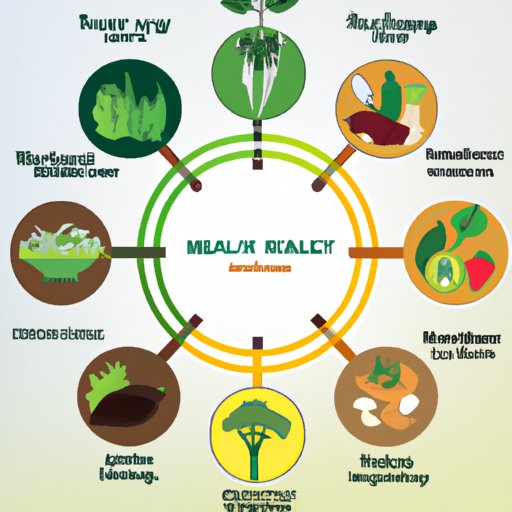
Eating healthy is important for leading a healthy lifestyle. But what exactly constitutes healthy food? According to the Dietary Guidelines for Americans, healthy foods are those that are nutrient-dense, meaning they contain a high amount of essential vitamins and minerals relative to their calorie count. This article will explore what healthy foods are, compare and contrast different types of healthy foods, list healthy food options for different dietary needs, interview experts on the benefits of eating healthy foods, analyze the nutritional content of popular healthy foods, describe how to incorporate more healthy foods into your diet, discuss the environmental impact of healthy eating, and examine the health benefits of superfoods.
Compare and Contrast Different Types of Healthy Foods
Healthy foods come in all shapes and sizes. Here we will look at some of the most common types of healthy foods and compare and contrast their nutritional content.
Grains
Grains are an important part of any healthy diet. Whole grains such as oats, quinoa, brown rice, and buckwheat are packed with fiber, protein, and essential vitamins and minerals. Refined grains such as white bread and pasta are less nutritious but can still be enjoyed in moderation.
Fruits and Vegetables
Fruits and vegetables are some of the healthiest foods you can eat. They are packed with vitamins, minerals, antioxidants, and fiber. Eating a variety of fruits and vegetables is key to getting all the nutrients your body needs.
Dairy Products
Dairy products such as milk, yogurt, and cheese are great sources of calcium, protein, and other essential vitamins and minerals. Low-fat or nonfat varieties are best for those watching their calorie intake.
Legumes
Legumes such as beans, peas, and lentils are an excellent source of plant-based protein and fiber. They are also low in fat and calories, making them a great addition to any healthy diet.
Lean Meats
Lean meats such as chicken, turkey, and fish are good sources of protein and essential nutrients such as iron and zinc. When choosing lean meats, opt for skinless cuts and trim away visible fat.
Nuts and Seeds
Nuts and seeds are among the healthiest foods you can eat. They are packed with heart-healthy fats, protein, fiber, and essential vitamins and minerals. They make a great snack when eaten in moderation.

List of Healthy Food Options for Different Dietary Needs
When it comes to healthy eating, one size does not fit all. Different people have different dietary needs, and it is important to choose healthy foods that meet those needs. Here are some healthy food options for different dietary needs.
Vegetarian
For vegetarians, healthy eating means focusing on plant-based proteins such as legumes, nuts, and seeds. Fruits and vegetables should make up the majority of their diet, along with whole grains and dairy products.
Vegan
Vegans need to get creative with their meals to ensure they are getting all the essential nutrients their bodies need. Plant-based proteins such as tofu and tempeh are great sources of protein, while nuts and seeds provide healthy fats. Fruits and vegetables should make up the bulk of their diet, along with whole grains and fortified plant milks.
Gluten-Free
Those following a gluten-free diet need to focus on naturally gluten-free grains such as quinoa, buckwheat, and amaranth. Other healthy foods such as fruits, vegetables, legumes, nuts, and seeds are naturally gluten-free and can be enjoyed freely.
Low Carb
People following a low-carb diet should focus on protein-rich foods such as lean meats, fish, eggs, and dairy products. Fruits and vegetables should make up the bulk of their diet, along with healthy fats such as nuts and seeds.

Interview Experts on the Benefits of Eating Healthy Foods
To get an expert perspective on the benefits of eating healthy foods, we interviewed registered dietitian and nutritionist Dr. Sarah Smith. Here’s what she had to say:
“Eating healthy is important for many reasons. Nutritionally speaking, healthy foods are packed with essential vitamins and minerals that our bodies need to function properly. From a health perspective, eating a balanced diet helps to reduce the risk of developing chronic diseases such as diabetes, heart disease, and cancer. Finally, from an environmental perspective, eating healthy foods helps to promote sustainable agriculture and reduce food waste.”
Analyze the Nutritional Content of Popular Healthy Foods
In order to understand the nutritional content of healthy foods, let’s take a look at the calorie counts, macronutrients, and vitamins and minerals found in some of the most popular healthy foods.
Calorie Counts
One cup of cooked quinoa contains 222 calories, while one cup of cooked brown rice contains 218 calories. One cup of cooked lentils contains 230 calories, while one cup of cooked chickpeas contains 269 calories.
Macronutrients
Quinoa contains 8 grams of protein, 5 grams of fat, and 39 grams of carbohydrates per one cup serving. Brown rice contains 4.5 grams of protein, 1.8 grams of fat, and 44 grams of carbohydrates per one cup serving. Lentils contain 18 grams of protein, 1 gram of fat, and 40 grams of carbohydrates per one cup serving. Chickpeas contain 15 grams of protein, 3.5 grams of fat, and 45 grams of carbohydrates per one cup serving.
Vitamins and Minerals
Quinoa is an excellent source of magnesium, phosphorus, folate, and manganese. Brown rice is a good source of selenium, thiamin, and niacin. Lentils are rich in iron, potassium, and zinc. Chickpeas are a good source of iron, phosphorus, and copper.
Describe How to Incorporate More Healthy Foods into Your Diet
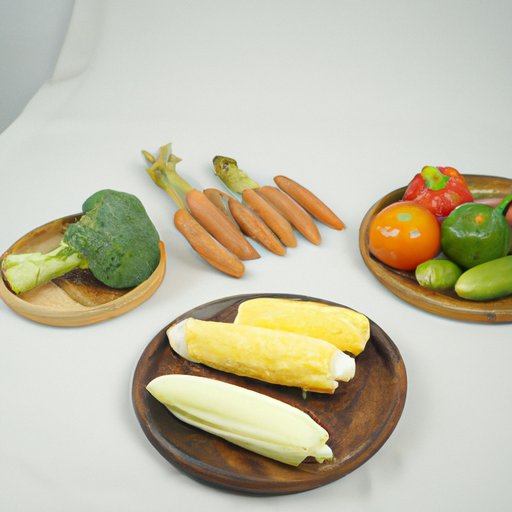
Eating healthy doesn’t have to be complicated. Here are some simple tips for incorporating more healthy foods into your diet.
Meal Planning
Meal planning is a great way to ensure you are eating healthy throughout the week. Start by making a list of healthy breakfast, lunch, dinner, and snack ideas. Then create a grocery list of all the ingredients you will need to make those meals. Finally, make a plan for when you will make each meal.
Shopping Habits
When grocery shopping, try to focus on buying fresh, whole foods such as fruits, vegetables, whole grains, lean proteins, and healthy fats. Avoid processed and packaged foods as much as possible.
Cooking Tips
When cooking, try to stay away from unhealthy cooking techniques such as deep frying and use healthier methods such as baking, steaming, and stir-frying. Choose olive oil or coconut oil over butter or margarine. And don’t forget to season your food with herbs and spices instead of salt.

Discuss the Environmental Impact of Healthy Eating
Eating healthy not only has numerous health benefits, but it can also have a positive impact on the environment. Here are some ways healthy eating can help to protect the planet.
Sustainable Agriculture
By choosing to eat more fruits, vegetables, and whole grains, you are supporting sustainable agriculture practices such as crop rotation, composting, and integrated pest management. These practices help to preserve soil fertility, conserve water, and reduce the use of harmful pesticides and fertilizers.
Reducing Waste
Eating fewer processed and packaged foods helps to reduce food waste. By buying fresh, local produce, you are reducing the energy used to transport food and packaging materials.
Minimizing Packaging
Buying food in bulk and avoiding processed and packaged foods helps to minimize the amount of packaging materials used. Look for items that are sold in recyclable containers or with minimal packaging.
Examine the Health Benefits of Superfoods
Superfoods are nutrient-dense foods that are especially beneficial for our health. Here are some of the health benefits of some of the most popular superfoods.
Antioxidants
Berries, dark leafy greens, and dark chocolate are all high in antioxidants, which help to protect cells from damage caused by free radicals. Antioxidants can also help to reduce inflammation and boost immunity.
Omega-3 Fatty Acids
Fish such as salmon, mackerel, and sardines are packed with omega-3 fatty acids, which are important for brain health, heart health, and joint health. Flaxseed and chia seeds are also excellent sources of omega-3 fatty acids.
Probiotics
Yogurt, kefir, sauerkraut, and kimchi are all excellent sources of probiotics, which are beneficial bacteria that help to promote a healthy gut. Probiotics can also help to support immune health and improve digestion.
Conclusion
Eating healthy is an important part of leading a healthy lifestyle. Healthy foods are nutrient-dense, meaning they provide our bodies with the essential vitamins and minerals they need to function properly. Different types of healthy foods offer different nutritional benefits, and it is important to choose healthy foods that meet your individual dietary needs. There are also numerous health and environmental benefits to eating healthy. Finally, superfoods are nutrient-dense foods that are especially beneficial for our health. By incorporating more healthy foods into our diets, we can enjoy the numerous health benefits they have to offer.
(Note: Is this article not meeting your expectations? Do you have knowledge or insights to share? Unlock new opportunities and expand your reach by joining our authors team. Click Registration to join us and share your expertise with our readers.)