
Introduction
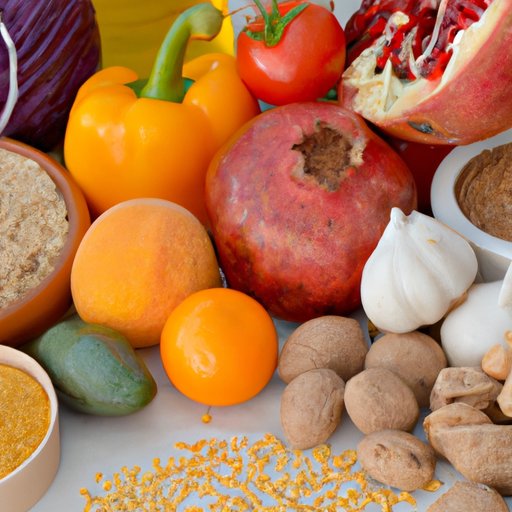
Eating a healthy diet is essential to maintaining overall health and well-being. But what exactly is a healthy diet? A healthy diet is one that provides the right balance of nutrients to keep your body functioning at its best. It should include a variety of nutrient-rich foods from all the major food groups – fruits, vegetables, grains, proteins, and dairy products. In addition, it should be low in unhealthy fats, added sugars, and salt.
In this article, we’ll explore the profile of a healthy diet, what foods are best for optimal health, and how to incorporate superfoods into your diet. We’ll also discuss the potential benefits of eating organic foods and the advantages of eating healthy, whole foods. Finally, we’ll examine the pros and cons of different diets so you can decide which one is right for you.
Profile of a Healthy Diet: What Nutrients Do You Need & What Foods Are Best?
Your body needs a variety of essential nutrients to stay healthy and function optimally. These nutrients can be divided into two categories: macronutrients and micronutrients.
Macronutrients
Macronutrients are substances that provide energy and are necessary for basic bodily functions. They include carbohydrates, proteins, and fats. Carbohydrates are found in breads, cereals, rice, pasta, starchy vegetables, and fruit. Proteins are found in meat, fish, eggs, beans, nuts, and dairy products. Fats are found in oils, butter, margarine, and fatty fish.
Micronutrients
Micronutrients are substances that are needed in small amounts but are essential for good health. They include vitamins and minerals, such as calcium, magnesium, iron, and zinc. Vitamins and minerals are found in a wide range of foods, including fruits, vegetables, legumes, nuts, and grains.

Superfoods for Optimal Health: How to Incorporate Them Into Your Diet
Superfoods are nutrient-rich foods that offer numerous health benefits. To get the most out of your diet, it’s important to incorporate these superfoods into your meals. Here are some examples of superfoods you should add to your diet:
Fruits and Vegetables
Fruits and vegetables are packed with vitamins, minerals, antioxidants, and fiber. Aim to eat five servings of fruits and vegetables each day. Some examples of nutritious fruits and vegetables include apples, oranges, spinach, broccoli, kale, and berries.
Whole Grains
Whole grains are unrefined grains that provide fiber, B vitamins, and minerals. Examples of nutritious whole grains include oats, quinoa, brown rice, barley, and buckwheat.
Nuts and Seeds
Nuts and seeds are excellent sources of protein, healthy fats, and fiber. Examples of nutritious nuts and seeds include almonds, walnuts, chia seeds, and flaxseeds.
Lean Proteins
Protein is an important building block for your body and helps build muscle, repair tissue, and support immune function. Choose lean proteins, such as poultry, fish, and legumes, over fattier meats.
Healthy Fats
Healthy fats are essential for your body and help maintain cell membranes, regulate hormones, and absorb fat-soluble vitamins. Choose healthy fats, such as olive oil, avocados, nuts, and seeds.
Exploring the Benefits of Eating Organic Foods
Organic foods are grown without the use of synthetic fertilizers, pesticides, or other chemicals. The potential benefits of eating organic foods include improved nutrition, fewer pesticide residues, and lower levels of harmful bacteria. Additionally, organic farming practices can help reduce environmental damage caused by chemical fertilizers and pesticides.
The Benefits of Eating Healthy, Whole Foods
Eating healthy, whole foods – such as fruits, vegetables, whole grains, and lean proteins – has numerous benefits. For starters, it improves nutrition by providing the body with essential vitamins, minerals, and other nutrients. It also reduces the amount of processed foods in the diet, which can be high in calories and contain unhealthy additives. Finally, eating healthy, whole foods can have a positive impact on overall health by reducing the risk of chronic diseases such as diabetes, heart disease, and obesity.
The Pros and Cons of Different Diets: Which One is Right for You?
There are many different types of diets out there, and it can be difficult to know which one is right for you. Here’s a brief overview of some popular diets and their pros and cons.
Low-Carbohydrate Diets
Low-carbohydrate diets restrict carbohydrates and focus on proteins and fats instead. Pros: May help reduce weight; may improve blood sugar control. Cons: Can be difficult to sustain long-term; may cause fatigue and headaches.
Low-Fat Diets
Low-fat diets restrict fat intake and emphasize carbohydrates. Pros: May help reduce weight; may improve cholesterol levels. Cons: Can be difficult to sustain long-term; may increase cravings for unhealthy foods.
Plant-Based Diets
Plant-based diets emphasize plant-based foods such as fruits, vegetables, legumes, and whole grains. Pros: May improve cholesterol levels; may reduce risk of certain chronic diseases. Cons: Can be difficult to get enough protein and other nutrients; may require supplementation.
Mediterranean Diet
The Mediterranean diet emphasizes fruits, vegetables, whole grains, legumes, nuts, and healthy fats. Pros: May reduce risk of certain chronic diseases; may improve cholesterol levels. Cons: Can be expensive; may require lifestyle changes.
Conclusion
Eating a healthy diet is essential to maintaining overall health and well-being. Eating a variety of nutrient-rich foods from all the major food groups, incorporating superfoods into your diet, and exploring the potential benefits of eating organic foods can help you achieve optimal health. Additionally, eating healthy, whole foods can have a positive impact on overall health. Finally, it’s important to consider the pros and cons of different diets to determine which one is right for you.
By following the guidelines outlined in this article, you can start making healthier eating choices that will provide your body with the nutrients it needs to stay healthy and strong.
(Note: Is this article not meeting your expectations? Do you have knowledge or insights to share? Unlock new opportunities and expand your reach by joining our authors team. Click Registration to join us and share your expertise with our readers.)