
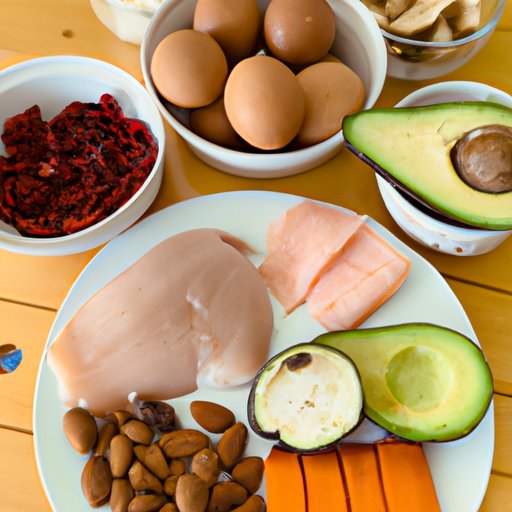
Introduction
Eating healthy is a key component of living a healthy and balanced lifestyle. But what does it mean to eat healthy? Generally speaking, eating healthy means consuming a variety of nutrient-dense foods that provide your body with the energy, vitamins, minerals, and other essential nutrients it needs to function properly. In this article, we will explore the various types of foods and their nutritional benefits, discuss differences between organic and non-organic foods, examine dietary habits from different cultures around the world, and analyze the effects of processed foods on our health.
Comparing and Contrasting Different Types of Foods and their Nutritional Benefits
For optimal health, it’s important to have a well-rounded diet that includes a variety of nutrient-dense foods. Different types of foods provide different essential nutrients, so it’s important to consume a wide range in order to get all of the vitamins and minerals your body needs. Here’s a look at some of the most common types of foods and the essential nutrients they provide:
Carbohydrates
Carbohydrates are an essential macronutrient that provide your body with energy. They can be found in a wide range of foods, from grains, fruits, and vegetables to dairy products and legumes. Complex carbs, such as whole grains, are especially beneficial for providing sustained energy and helping to keep your blood sugar levels balanced.
Proteins
Protein is another essential macronutrient that helps to build and repair muscle and other tissues in your body. It can be found in animal products, such as fish, poultry, eggs, and dairy, as well as plant-based sources like nuts, seeds, and legumes. Consuming adequate amounts of protein is important for maintaining muscle mass and overall health.
Fats
Fats are also essential macronutrients that provide your body with energy and help to absorb certain vitamins. There are several different types of fats, including saturated, polyunsaturated, monounsaturated, and trans fats. Healthy fats, such as those found in avocados, olives, nuts, and fatty fish, are important for maintaining overall health. On the other hand, unhealthy fats, such as those found in processed and fried foods, should be avoided.
Vitamins and Minerals
Vitamins and minerals are micronutrients that are essential for a variety of bodily functions. They can be found in a variety of foods, such as fruits, vegetables, whole grains, dairy products, and lean meats. Eating a wide range of nutrient-dense foods is the best way to ensure you’re getting all of the vitamins and minerals your body needs.
Interview with a Nutritionist
We spoke with registered dietician and nutritionist, Dr. Sarah Johnson, to get her expert opinion on what foods are best to eat and the benefits of eating healthy.
What foods are best to eat?
Dr. Johnson recommends focusing on whole, unprocessed foods that are rich in nutrients. “The best foods to eat are those that are high in fiber, vitamins, minerals, and other essential nutrients,” she says. “Eating a variety of fruits, vegetables, whole grains, lean proteins, and healthy fats is the best way to ensure you’re getting all of the nutrients your body needs.”
What are the benefits of eating healthy?
According to Dr. Johnson, there are numerous benefits to eating healthy. “Eating a nutritious diet can help to maintain a healthy weight, reduce the risk of chronic diseases like heart disease and diabetes, improve mental health, and boost your energy levels,” she says. “It’s also important to note that eating healthy doesn’t have to be boring or restrictive. You can still enjoy the foods you love while making sure you’re getting the nutrients your body needs.”

List of Top 10 Healthiest Foods and Explanations
Here’s a list of the top 10 healthiest foods and why they’re so good for you:
Leafy Greens
Leafy greens, such as kale, spinach, collards, and Swiss chard, are packed with vitamins, minerals, and fiber. They’re also low in calories and have powerful anti-inflammatory properties.
Nuts and Seeds
Nuts and seeds are excellent sources of healthy fats, protein, and fiber. They’re also high in vitamins, minerals, and antioxidants, which can help to reduce inflammation and protect against chronic diseases.
Legumes
Legumes, such as beans, peas, and lentils, are rich in fiber, protein, and vitamins and minerals. They’re also low in fat and calories and are a great source of vegetarian protein.
Fish
Fish is an excellent source of protein and omega-3 fatty acids, which are important for brain and heart health. Salmon, tuna, sardines, mackerel, and trout are all great sources of omega-3 fatty acids.
Whole Grains
Whole grains are packed with fiber, B vitamins, and minerals. They’re also low in fat and calories and can help to keep you feeling full for longer.
Fruits
Fruits are rich in vitamins, minerals, and antioxidants. They’re also naturally sweet and can help to satisfy your sweet tooth without the added sugar.
Lean Meats
Lean meats, such as chicken, turkey, and lean cuts of beef and pork, are excellent sources of protein. They’re also high in iron, zinc, and B vitamins.
Dairy
Dairy products, such as milk, cheese, and yogurt, are excellent sources of calcium, protein, and other essential nutrients. Just be sure to stick to low-fat or fat-free varieties to limit your intake of saturated fat.
Healthy Fats
Healthy fats, such as olive oil, avocados, and nuts, are important for maintaining overall health. They’re also high in calories, so be sure to limit your portion sizes.
Spices
Spices, such as turmeric, ginger, cinnamon, and cayenne pepper, are packed with antioxidants and have powerful anti-inflammatory properties. They can also add flavor and depth to dishes without adding extra calories or sodium.
Differences Between Organic and Non-Organic Foods
When it comes to organic versus non-organic foods, there are a few key differences to be aware of. Organic foods are grown without the use of synthetic pesticides, fertilizers, or genetically modified organisms (GMOs). They may also contain higher levels of vitamins, minerals, and other essential nutrients than non-organic foods. However, organic foods can also be more expensive, so it’s important to consider your budget when making your decisions.
Dietary Habits of Different Cultures Around the World
Different cultures around the world have different dietary habits, which can vary significantly depending on geographical location, climate, and access to resources. Here’s a look at some of the most popular diets from different cultures around the world:
Mediterranean Diet
The Mediterranean diet is centered around fresh fruits and vegetables, whole grains, legumes, and healthy fats, such as olive oil. It also includes moderate amounts of fish, poultry, and dairy products. This diet has been linked to numerous health benefits, such as reducing the risk of heart disease and obesity.
Asian Diet
The Asian diet is based on staple ingredients like rice, noodles, and vegetables. It also includes a variety of seafood, such as fish, shellfish, and seaweed. This diet is rich in nutrients and has been linked to numerous health benefits, such as improved digestion and reduced inflammation.
African Diet
The African diet varies by region, but generally consists of a variety of grains, fruits, vegetables, and legumes. It also includes small amounts of meat, poultry, and fish. This diet is high in fiber, vitamins, and minerals and has been linked to numerous health benefits, such as improved cardiovascular health.

Effects of Processed Foods on Our Health
Processed foods are foods that have been altered from their natural state in order to extend shelf life or improve taste. While these foods can be convenient, they’re often high in added sugars, unhealthy fats, and sodium, which can lead to a variety of health issues. Here are some of the potential health risks associated with consuming too many processed foods:
Nutritional Deficiencies
Processed foods are generally low in essential vitamins, minerals, and other nutrients, which can lead to nutrient deficiencies over time. This can cause a variety of symptoms, such as fatigue, weakness, and poor concentration.
Obesity
Processed foods are often high in calories, sugar, and unhealthy fats, which can lead to weight gain and obesity over time. This can increase the risk of chronic diseases, such as heart disease, stroke, and type 2 diabetes.
Diabetes
Eating too many processed foods can lead to insulin resistance, which is a precursor to type 2 diabetes. Eating a diet rich in whole, unprocessed foods is the best way to reduce your risk of developing diabetes.
Heart Disease
Processed foods are often high in unhealthy fats and sodium, which can raise blood pressure and increase the risk of heart disease. Eating a diet low in processed foods and high in nutrient-dense foods is the best way to reduce your risk of heart disease.

Potential Health Benefits of Superfoods
Superfoods are nutrient-dense foods that are believed to have potential health benefits. Here are some of the potential health benefits associated with consuming superfoods:
Antioxidants
Many superfoods are high in antioxidants, which are substances that can help to protect your cells from damage caused by free radicals. This can help to reduce inflammation and protect against chronic diseases.
Anti-Inflammatory Properties
Some superfoods, such as turmeric and ginger, have powerful anti-inflammatory properties. This can help to reduce inflammation throughout the body and reduce the risk of chronic diseases.
Improved Digestion
Certain superfoods, such as probiotic-rich foods, can help to improve digestive health. Probiotics are beneficial bacteria that help to restore balance in the gut and promote regularity.
Conclusion
Eating healthy is an important part of living a healthy and balanced lifestyle. It’s important to focus on whole, unprocessed foods that are rich in essential nutrients, such as carbohydrates, proteins, fats, vitamins, and minerals. Additionally, it’s important to be aware of the differences between organic and non-organic foods, dietary habits from different cultures around the world, and the effects of processed foods on our health. Finally, incorporating superfoods into your diet can help to provide additional health benefits. By following these tips, you can ensure you’re eating a well-rounded, nutritious diet.
(Note: Is this article not meeting your expectations? Do you have knowledge or insights to share? Unlock new opportunities and expand your reach by joining our authors team. Click Registration to join us and share your expertise with our readers.)