

Introduction
Fish is an important source of protein and essential fatty acids, providing numerous health benefits when included in a balanced diet. Eating fish on a regular basis can help lower cholesterol levels and reduce inflammation, as well as provide essential vitamins and minerals such as selenium, iodine, and vitamin D. It’s also a low-calorie option for those looking to watch their weight.
The purpose of this article is to explore the types of fish that are healthy to eat and the environmental considerations that should be taken into account when choosing sustainable fish. We’ll also look at the potential health risks associated with eating fish contaminated with pollutants, as well as some delicious fish recipes to add to your repertoire.
Types of Fish to Include in a Healthy Diet
When it comes to choosing which types of fish to include in your diet, there are three main categories to consider: cold-water fish, fatty fish, and shellfish.
Cold-Water Fish
Cold-water fish such as salmon, mackerel, and herring are rich in omega-3 fatty acids, which are essential for good cardiovascular health. According to a study published in Nutrition Research Reviews, “Omega-3 fatty acids have been shown to reduce the risk of coronary heart disease, hypertension, stroke, and other cardiovascular diseases.”
Fatty Fish
Fatty fish such as tuna, trout, and sardines are high in mono- and polyunsaturated fats, which can help reduce bad cholesterol levels and improve overall heart health. A study published in The American Journal of Clinical Nutrition found that “regular consumption of fatty fish was associated with a lower risk of coronary heart disease.”
Shellfish
Shellfish such as shrimp, crab, and mussels are an excellent source of lean protein and essential vitamins and minerals such as zinc, iron, and selenium. They are also low in fat and calories, making them a great option for those watching their weight. According to a study published in Nutrition Reviews, “shellfish are a valuable source of dietary minerals and trace elements, including iron, zinc, copper, selenium, and iodine.”
Comparison of Wild vs Farmed Fish
When it comes to buying fish, there are two main options: wild-caught or farmed. Here we’ll take a look at the differences between the two in terms of nutritional value and environmental impact.
Nutritional Value
Wild-caught fish tend to be higher in omega-3 fatty acids than farmed fish, as they feed on a natural diet of plankton and other small sea creatures. Farmed fish, on the other hand, are typically fed a diet of grains, vegetable oils, and other additives, which can affect the nutritional content of the fish. According to a study published in The Journal of Nutrition, “the fatty acid composition of farmed fish may differ significantly from that of their wild counterparts.”
Environmental Impact
When it comes to sustainability, wild-caught fish is generally considered to be the better choice. This is because it does not require the use of additional resources such as antibiotics, pesticides, and fertilizers, which are often used in fish farming. Additionally, wild-caught fish helps to maintain the natural balance of marine ecosystems. A study published in Nature Communications found that “wild-caught fisheries have a much lower environmental impact than farmed fish.”
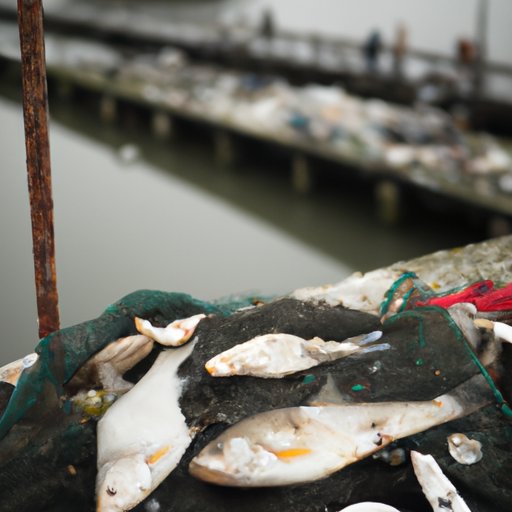
The Impact of Environmental Pollution on Fish Consumption
Unfortunately, environmental pollution can have a negative impact on fish consumption. Contaminated water can lead to the accumulation of pollutants such as heavy metals, pesticides, and chemicals in the fish, which can be harmful to human health.
Pollutants in Fish
According to the Environmental Protection Agency (EPA), “contaminants such as mercury, polychlorinated biphenyls (PCBs), dioxins, and other persistent organic pollutants (POPs) can accumulate in fish tissue, posing a health risk to people who eat contaminated fish.” The EPA recommends limiting consumption of certain types of fish, such as shark, swordfish, king mackerel, and tilefish, due to their high levels of mercury.
Health Risks Associated with Contaminated Fish
Consuming contaminated fish can lead to a variety of health problems, including neurological and reproductive disorders. Additionally, pregnant women, nursing mothers, and young children are especially vulnerable to the health risks associated with consuming contaminated fish. The EPA recommends these groups limit their consumption of fish known to contain contaminants, and opt instead for lower-mercury options such as salmon, canned light tuna, shrimp, and pollock.
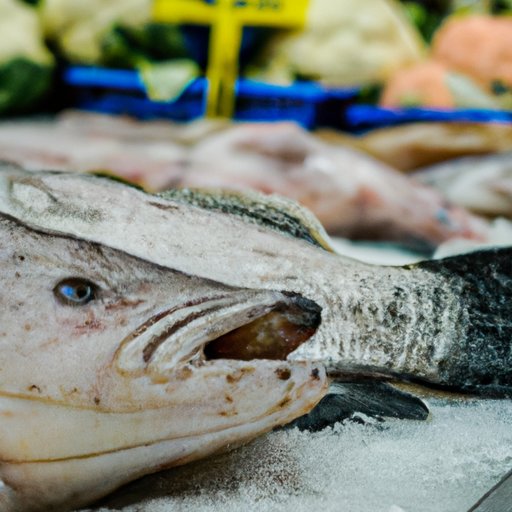
Tips for Buying Sustainable Fish
When it comes to buying fish, it’s important to choose sustainable options to ensure that our oceans remain healthy and abundant. Here are some tips for buying sustainable fish:
Choosing Sustainable Fisheries
Look for fisheries that practice responsible fishing methods, such as using nets with larger mesh sizes to avoid catching smaller fish and other species. Additionally, look for fisheries that use lines rather than bottom trawls, as these can cause damage to coral reefs and other marine habitats.
Looking for Certification Labels
Look for certification labels such as the Marine Stewardship Council (MSC) or Aquaculture Stewardship Council (ASC). These labels indicate that the fish has been sustainably sourced and meets certain environmental standards. Additionally, check the label to make sure that the fish was wild-caught or farmed responsibly.
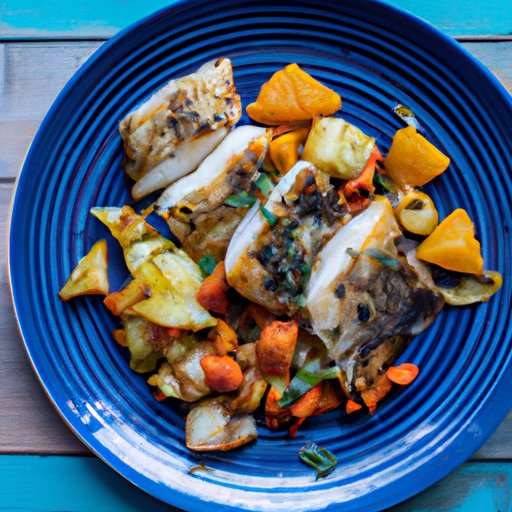
Recipes for Healthy Fish Dishes
Now that you know how to choose sustainable fish, here are some delicious recipes to get you started:
Grilled Salmon with Herbs and Lemon
Ingredients:
4 salmon fillets
2 tablespoons olive oil
1 lemon, sliced
2 cloves garlic, minced
2 tablespoons fresh herbs (such as rosemary, thyme, oregano, basil, etc.)
Salt and pepper to taste
Instructions:
1. Preheat the grill to medium-high heat.
2. Brush the salmon fillets with olive oil and season with salt and pepper.
3. Place the salmon on the preheated grill and cook for 4 minutes per side.
4. Top with lemon slices, garlic, and fresh herbs.
5. Grill for an additional 2 minutes, or until the salmon is cooked through.
6. Serve with a side salad or vegetables.
Baked Tilapia with Spinach and Tomatoes
Ingredients:
4 tilapia fillets
2 tablespoons olive oil
1 cup baby spinach
1 cup cherry tomatoes, halved
1 lemon, juiced
2 cloves garlic, minced
Salt and pepper to taste
Instructions:
1. Preheat the oven to 400°F.
2. Place the tilapia fillets in a baking dish and brush with olive oil.
3. Sprinkle with salt and pepper.
4. Top with the spinach, tomatoes, garlic, and lemon juice.
5. Bake for 15-20 minutes, or until the fish is cooked through.
6. Serve with a side of rice or quinoa.
Poached Cod in White Wine Sauce
Ingredients:
4 cod fillets
1 cup white wine
1 lemon, juiced
2 tablespoons butter
2 cloves garlic, minced
2 tablespoons fresh parsley, chopped
Salt and pepper to taste
Instructions:
1. In a large skillet, bring the white wine to a boil over medium-high heat.
2. Add the cod fillets to the skillet and reduce the heat to low.
3. Simmer for 8-10 minutes, or until the fish is cooked through.
4. Remove the fish from the skillet and set aside.
5. Add the butter, garlic, lemon juice, and parsley to the skillet and simmer for 5 minutes, stirring occasionally.
6. Return the fish to the skillet and simmer for an additional 2 minutes.
7. Serve with a side of steamed vegetables.
Conclusion
Fish is an important part of a healthy diet, providing essential nutrients and offering numerous health benefits. When choosing fish, it’s important to select sustainable options to ensure that our oceans remain healthy and abundant. Additionally, it’s important to be aware of the potential health risks associated with consuming contaminated fish. With these tips in mind, you can enjoy the delicious flavors and health benefits of fish without compromising on sustainability or safety.
(Note: Is this article not meeting your expectations? Do you have knowledge or insights to share? Unlock new opportunities and expand your reach by joining our authors team. Click Registration to join us and share your expertise with our readers.)