
Introduction
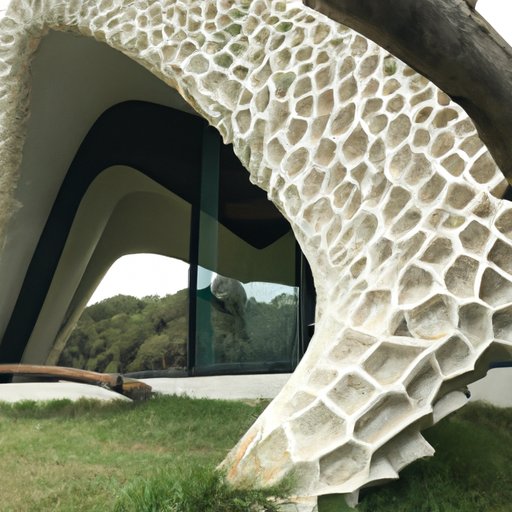
Organic architecture is an architectural philosophy that seeks to create buildings and environments that are in harmony with their surroundings. It is based on the idea that buildings should be designed to fit into their natural environment and make use of natural materials and forms. The term was first coined by Frank Lloyd Wright, who is considered one of the pioneers of this style of architecture. This article will explore the meaning of organic architecture, its origins, and its impact on modern design.
An Overview of Organic Architecture: Exploring Its Meaning and Origins
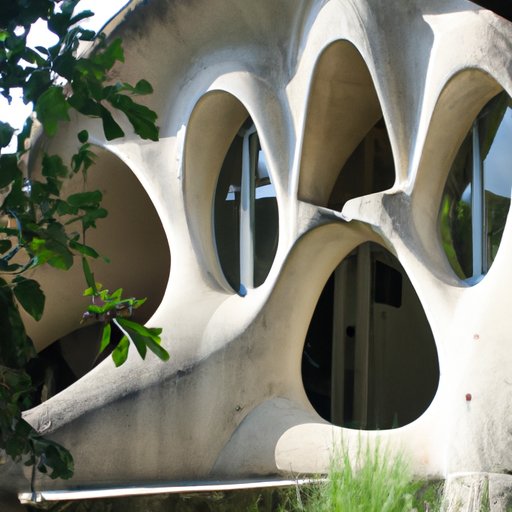
Organic architecture is based on the idea that the form and design of a building should be determined by its natural environment. It seeks to create buildings that blend seamlessly with their surroundings and make use of natural materials and forms. The term “organic” refers to the idea that the building should be designed in such a way that it can evolve and adapt over time, much like a living organism. As such, organic architecture emphasizes the relationship between people and their environment, as well as the need for sustainable design.
The term “organic architecture” was first coined by American architect Frank Lloyd Wright in his book, An Autobiography (1932). In this book, he wrote: “Whether I shall have succeeded better in any other kind of work, I cannot say; but so far as organic architecture is concerned, I have had no master.” Wright believed that buildings should be designed to blend into their natural environment, rather than stand out from it. He also advocated for the use of natural materials and forms, as well as an emphasis on sustainability.
A History of Organic Architecture: From the Arts & Crafts Movement to Today
Organic architecture has its roots in the Arts & Crafts movement of the late 19th century. This movement sought to revive traditional craftsmanship in architecture and celebrate the beauty of nature. The Arts & Crafts movement was influential in the development of organic architecture, as it emphasized the importance of using natural materials and forms to create buildings that blended into their environment.
In the early 20th century, organic architecture began to gain popularity, thanks in part to the influence of architects such as Frank Lloyd Wright and Louis Sullivan. These architects championed the idea that buildings should be designed to fit into their natural environment and make use of natural materials and forms. They also advocated for an emphasis on sustainability and the integration of nature into architecture.
Since then, organic architecture has evolved and changed over time. Today, it is still heavily influenced by the ideas of these early practitioners, but it has also been shaped by modern technology and advances in design. As such, modern organic architecture often incorporates natural elements, but also utilizes modern materials and technologies to create buildings that are both aesthetically pleasing and environmentally friendly.
Examining Organic Architecture Through a Contemporary Lens
Organic architecture has become increasingly popular in recent years, as more and more architects have begun to recognize its potential to create buildings that are both aesthetically pleasing and environmentally friendly. Today, organic architecture is often used in residential, commercial, and educational projects, as well as public spaces. Some examples of modern organic architecture include the Maboneng Precinct in Johannesburg, South Africa, the Salk Institute in La Jolla, California, and the Bloch Building at the Nelson-Atkins Museum of Art in Kansas City, Missouri.
Organic architecture has many benefits in a contemporary context. For example, it is often more sustainable than traditional architecture, due to its reliance on natural materials and forms. Additionally, organic architecture can create a sense of harmony and connection between people and their environment. This can lead to a greater appreciation of nature and a deeper understanding of how buildings interact with their surroundings.
The Role of Nature in Organic Architecture
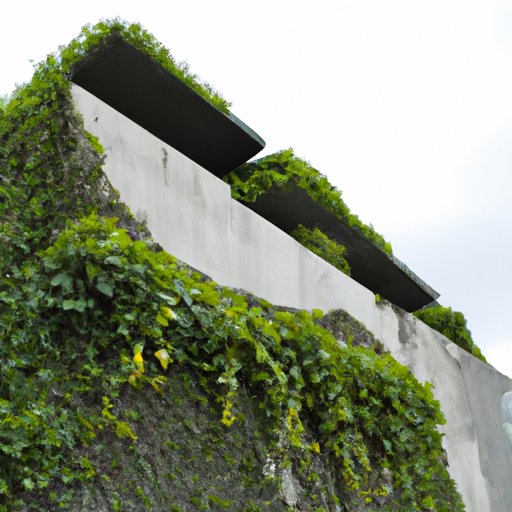
One of the key elements of organic architecture is the incorporation of nature into the design of a building. This can involve the use of natural materials, such as wood, stone, and clay, as well as the careful placement of windows and doors to maximize natural light and ventilation. Additionally, organic architecture often seeks to create a seamless transition between the interior and exterior of a building, allowing nature to flow freely through the space.
The incorporation of nature into organic architecture also has numerous benefits. For example, it can reduce energy consumption, as natural materials and forms allow for passive cooling and heating. Additionally, it can create a sense of calm and wellbeing, as natural elements bring a sense of peace and tranquility to a space. Finally, it can help foster a deeper connection between people and their environment, as it allows people to appreciate the beauty of nature.
Sustainability and Organic Architecture: Why It Matters Now More Than Ever
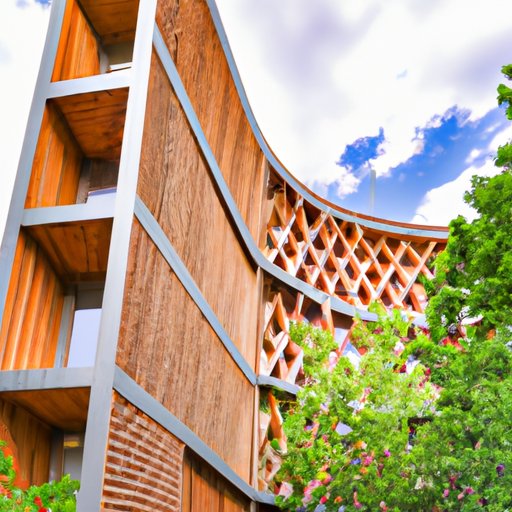
Sustainability is becoming increasingly important in the world of architecture. As the effects of climate change become more evident, architects are turning to sustainable design solutions in order to reduce the environmental impact of their projects. Organic architecture is one such solution, as it focuses on the integration of natural materials and forms into the design of a building.
Organic architecture can have a positive impact on sustainability in several ways. For example, it can reduce energy consumption, as natural materials and forms allow for passive cooling and heating. Additionally, it can reduce the amount of waste generated during construction, as natural materials are often more durable and require less maintenance. Finally, it can help create a sense of harmony between people and their environment, which can lead to a greater appreciation of nature and a deeper understanding of sustainability.
Exploring the Impact of Organic Architecture on Modern Design
Organic architecture has had a profound impact on modern design. Many architects and designers have been inspired by the principles of organic architecture, incorporating natural elements and forms into their designs. This has resulted in a range of modern designs that are both aesthetically pleasing and environmentally friendly.
For example, many modern homes incorporate elements of organic architecture, such as natural materials, passive cooling and heating systems, and the careful placement of windows and doors to maximize natural light. Additionally, many modern public spaces, such as parks and gardens, have been designed with organic elements, such as native plants and natural features. These elements can create a sense of harmony and connection between people and their environment, while also helping to reduce the environmental impact of the project.
Conclusion
Organic architecture is a philosophy of architecture that seeks to harmonize people and the built environment. It is based on the idea that buildings should be designed to fit into their natural environment and make use of natural materials and forms. This article has explored the meaning of organic architecture, its origins, and its impact on modern design, with a focus on its role in sustainability. From its roots in the Arts & Crafts movement to its modern applications in residential, commercial, and educational projects, organic architecture has had a profound impact on modern design and has helped to create a greater appreciation of nature and a deeper understanding of sustainability.
(Note: Is this article not meeting your expectations? Do you have knowledge or insights to share? Unlock new opportunities and expand your reach by joining our authors team. Click Registration to join us and share your expertise with our readers.)