

Introduction
Science has become an integral part of our lives and it influences almost every aspect of our existence. But what does science mean? The term ‘science’ can be defined as a systematic method of studying the natural world. It is based on evidence and facts that are obtained through observation, experimentation, and analysis. Throughout history, science has evolved as humans have developed new technologies to better understand and interact with their environment.
Different Branches of Science
Science can be divided into three main branches: physical sciences, biological sciences, and social sciences. Physical sciences include the study of physics, chemistry, astronomy, and geology. These disciplines focus on understanding the physical properties of the universe and how they interact with each other. Biological sciences involve the study of living organisms, including plants, animals, and humans. This branch of science focuses on understanding the structure and function of living organisms. Social sciences include the study of human behavior and societies. This field of study includes disciplines such as psychology, sociology, anthropology, economics, and political science.
Impact of Science on Daily Life
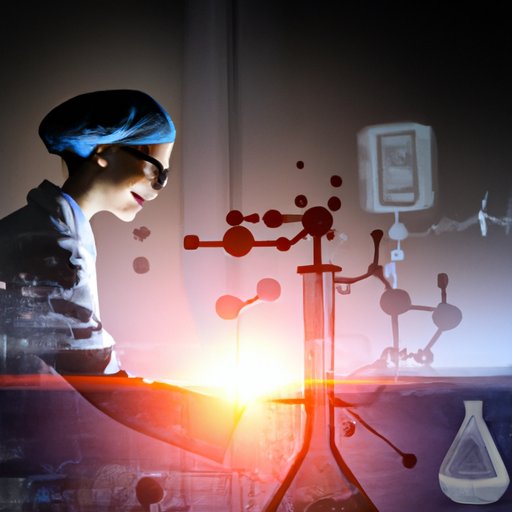
The impact of science on daily life is immense. Technological advances have revolutionized the way we communicate, travel, and access information. Furthermore, medical science has advanced significantly over the past century, resulting in the development of treatments for previously incurable diseases. Science has also had a positive impact on the environment, providing solutions to problems such as air pollution and climate change.
Ethical Implications of Scientific Research
Though science has had many positive impacts on society, it has also raised ethical concerns. Animal testing is often used in scientific research, which raises questions about animal welfare and the use of animals for scientific purposes. Human trials have also been criticized for their potential risks and lack of informed consent. Additionally, data privacy has become a major issue in the age of technology, with scientists having access to large amounts of personal data.
Role of Science in Society Today
Science plays an important role in society today. In terms of education, science provides students with the tools and knowledge to understand the world around them. In politics, science is used to inform policy decisions and shape public opinion. In economics, science is used to develop new products and services that can benefit society. Overall, science has become an integral part of modern day life.
Conclusion
In conclusion, science is a systematic method of studying the natural world. It has evolved over time and is divided into three main branches: physical sciences, biological sciences, and social sciences. Science has had a positive impact on society, providing technological advances, health benefits, and environmental solutions. However, it has also raised ethical concerns about animal testing and data privacy. Finally, science plays an important role in education, politics, and economics.
(Note: Is this article not meeting your expectations? Do you have knowledge or insights to share? Unlock new opportunities and expand your reach by joining our authors team. Click Registration to join us and share your expertise with our readers.)