
Introduction
Donating your body to science is a generous act that has the potential to benefit countless others by advancing medical research and providing valuable insights about the human body. While donating your body to science may seem like a daunting prospect, understanding the process and the implications can help make this decision easier. This article will explore the various benefits of donating your body to science, provide a guide to the donation process, and examine the ethical implications of such a donation.
Exploring the Benefits of Donating Your Body to Science
Donating your body to science has the potential to advance medical research in a number of ways. According to the American Association of Anatomists, “donated bodies are used for both educational and research purposes, often providing an invaluable resource for advancing knowledge and understanding of the human body.”
One of the primary benefits of donating your body to science is increased knowledge about the human body. Through the use of donated bodies, researchers are able to gain insight into the structure and function of the human body which can lead to new treatments and therapies. Additionally, donated bodies can be used to study diseases and conditions, helping to further our understanding of these illnesses and how they affect the body.
The advancement of medical research is another benefit of donating your body to science. By allowing researchers to study how the human body works and how diseases and conditions affect it, donated bodies can help to develop new treatments and therapies as well as improve existing ones. For example, donated bodies have been used to study cancer and other diseases, leading to improved treatments and better outcomes for patients.
Finally, donating your body to science can contribute to medical education. Donated bodies are used in medical schools to teach anatomy and other medical topics to aspiring doctors and nurses. The use of donated bodies allows medical students to gain a greater understanding of the human body and how it works, which can help them become better health care providers.

A Guide to Donating Your Body to Science
If you are considering donating your body to science, there are a few steps you should take to ensure that the process goes as smoothly as possible. The first step is to find a donation program that is right for you. There are several programs available, so you should do some research to find one that meets your needs.
Once you have found a donation program, you will need to complete the paperwork. This typically includes filling out a form that provides information about your wishes regarding the donation. Additionally, you may need to provide proof of identity and a death certificate.
It is also important to understand the legal requirements for donating your body to science. Depending on where you live, there may be certain laws governing the donation process, such as who has access to the body and what can be done with it after the donation. Understanding these requirements can help ensure that your wishes are respected.
An Overview of the Anatomical Donation Process
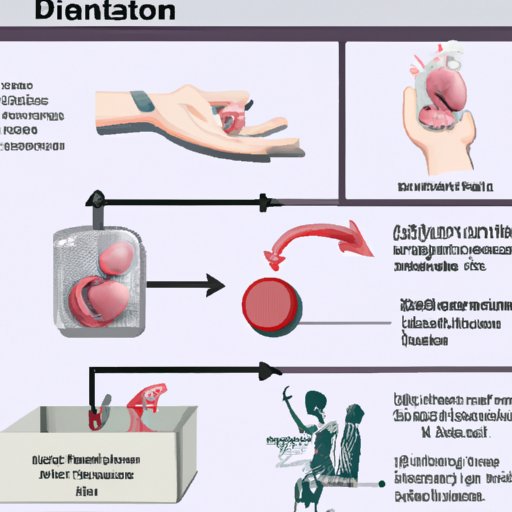
Once the paperwork is completed, the next step is to prepare for the donation. This includes making arrangements for pick-up, as well as providing instructions for how the body should be handled after the donation. It is also important to make sure that any funeral plans are taken care of before the donation is made.
When the donation is ready to be made, the body will be picked up by a representative from the donation program. The body will then be transported to the facility where it will be used for research or education. In some cases, the body may be preserved for a period of time before it is used.
After the donation is made, the body will be used for research or teaching purposes. Once the studies or lessons are complete, the body will be disposed of in accordance with the donor’s wishes. In some cases, the body may be cremated or buried, while in other cases it may be donated to another institution.
Understanding the Impact of Donating Your Body to Science
Donating your body to science can have a positive impact on many people. By contributing to scientific progress, donors can help to improve the lives of countless others. Additionally, donating your body to science can provide comfort to families, knowing that their loved one’s body was used for the benefit of others.
Examining the Ethical Implications of Donating Your Body to Science
When donating your body to science, it is important to consider the ethical implications of such a donation. Respect for the donor is essential, and all parties involved in the donation process should strive to treat the body with dignity and respect. Additionally, it is important to ensure that the donor’s confidentiality is preserved throughout the process.
Conclusion
Donating your body to science is an incredibly generous act that has the potential to benefit countless others. Through increased knowledge about the human body, advancement in medical research, and contribution to medical education, donors can make a lasting impact. Understanding the process and ethical implications of such a donation can help make this decision easier. By donating your body to science, you can make a difference in the lives of many.
(Note: Is this article not meeting your expectations? Do you have knowledge or insights to share? Unlock new opportunities and expand your reach by joining our authors team. Click Registration to join us and share your expertise with our readers.)