
Introduction
Information technology (IT) is a term that encompasses all forms of technology used to create, store, exchange, and use information in its various forms including business data, conversations, still images, motion pictures, multimedia presentations, and other forms. It is an ever-evolving field that has had a profound impact on almost every aspect of our lives. This article will explore what does information technology consist of and its various components, types of IT systems, role in businesses, benefits, impact on modern society, and the future of IT.
An Overview of the Components of Information Technology
Information technology consists of three main components: hardware, software, and networking. Each of these components plays a vital role in providing the necessary infrastructure for the efficient functioning of any organization or business.
Hardware
Hardware refers to the physical components of a computer system such as the CPU, memory, storage devices, input/output devices, and network interface cards. These components are essential for the functioning of any IT system, as they provide the necessary resources required to process, store, and transmit data.
Software
Software refers to the programs, applications, and operating systems that run on computers and other digital devices. It enables users to interact with the hardware and perform specific tasks such as word processing, creating spreadsheets, and sending emails. Without software, any hardware component would be useless.
Networking
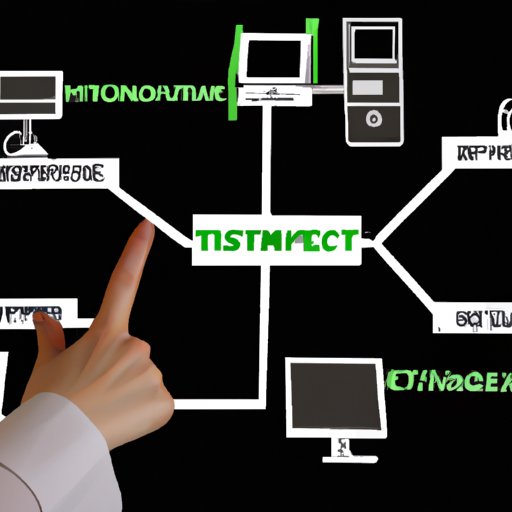
Networking is the practice of connecting multiple computers and other digital devices together in order to share resources and data. This enables organizations to communicate more efficiently and effectively, as well as access shared resources such as files, databases, and printers. Networks can be either local area networks (LANs) or wide area networks (WANs).
Exploring the Different Types of IT Systems
In addition to hardware, software, and networking, there are several other types of IT systems that are used in today’s world. These include cloud computing, artificial intelligence, and cyber security.
Cloud Computing
Cloud computing is a form of IT system that allows users to store, manage, and process data in a virtual environment. It offers numerous advantages such as scalability, cost savings, and improved accessibility. Additionally, it is also more secure than traditional IT systems as the data is stored in remote servers rather than on local machines.
Artificial Intelligence
Artificial intelligence (AI) is a type of IT system that is used to simulate human behavior and automate tasks. AI enables machines to learn from past experiences and make decisions without human intervention. It is used in a variety of fields including healthcare, finance, and marketing.
Cyber Security
Cybersecurity is an important aspect of IT systems as it helps protect networks, systems, and data from unauthorized access and malicious attacks. It involves the use of various technologies such as firewalls, antivirus software, and encryption techniques to ensure that data is safe and secure.

Understanding the Role of IT in Businesses
Information technology plays a crucial role in modern businesses. It enables organizations to increase efficiency, enhance communication, streamline processes, and improve customer service. Additionally, it can also help reduce costs, maximize profits, and gain a competitive edge over rivals.
Increasing Efficiency
One of the key benefits of IT systems is that they can help reduce manual labor and increase efficiency. For example, automated processes can help reduce errors and speed up operations. Additionally, IT solutions can also help reduce paperwork by digitizing documents and storing them securely in the cloud.
Enhancing Communication
IT systems can also help enhance communication between employees and customers. For instance, email, instant messaging, and video conferencing can help facilitate faster and more effective communication. Additionally, social media platforms can be used to reach out to potential customers and build relationships with them.
Streamlining Processes
IT systems can also help streamline processes such as inventory management and accounting. By automating these tasks, businesses can save time and money while improving accuracy. Additionally, IT solutions can also help monitor employee performance and track progress towards goals.
Examining the Benefits of Implementing IT Solutions
Implementing IT solutions can offer numerous benefits to businesses. These include cost savings, improved accessibility, and increased productivity.
Cost Savings
By automating processes and eliminating manual labor, businesses can save money on labor costs and reduce operational expenses. Additionally, they can also save on hardware and software costs as IT solutions often require less hardware and software than traditional solutions.
Improved Accessibility
IT solutions can also help improve accessibility. For instance, cloud computing allows companies to access data and applications from anywhere in the world. Additionally, mobile applications can help customers access services and products on the go.
Increased Productivity
Finally, IT solutions can also help increase productivity as they enable businesses to streamline processes and automate tasks. Additionally, they can also provide real-time insights into operations which can help managers make informed decisions.

Evaluating the Impact of IT on Modern Society
The impact of IT on modern society cannot be understated. It has revolutionized the way we communicate and do business, and has enabled us to connect with people around the globe. Additionally, IT has also enabled automation, transforming entire industries and improving our quality of life.
Connecting People Globally
The emergence of the internet has enabled people to communicate with each other regardless of location. Social media platforms have allowed us to stay connected with friends and family, while online shopping and streaming services have made it easier to access goods and entertainment.
Enabling Automation
IT has also enabled automation, transforming the way businesses operate. Automated processes such as order fulfillment and inventory management can help reduce labor costs and improve efficiency. Additionally, robots and autonomous vehicles are being used to replace human labor in many industries.
Transforming Industries
Finally, IT has also had a transformative effect on many industries. For instance, the banking industry has been revolutionized by mobile banking and digital payment solutions. Additionally, the healthcare industry has seen a surge in the adoption of telemedicine and medical records management.
Exploring the Future of Information Technology
As technology continues to evolve, the future of IT looks very promising. We can expect to see more advanced technologies such as autonomous machines, the use of big data, and the emergence of 5G networks.
Autonomous Machines
Autonomous machines are self-operating machines that are capable of making decisions without human intervention. They can be used to automate mundane tasks and reduce labor costs. Additionally, they can also be used in dangerous environments where it is not safe for humans to work.
Use of Big Data
Big data is the term used to describe large amounts of data that can be analyzed to uncover trends and patterns. It is increasingly being used by businesses to gain insights into customer behavior and optimize operations. Additionally, it can also be used to predict future events and outcomes.
Emergence of 5G Networks
5G networks are the next generation of wireless networks that are expected to offer faster speeds and lower latency than current 4G networks. They will enable faster data transmission, enabling the development of new technologies such as autonomous vehicles and augmented reality.
Conclusion
This article has provided an overview of information technology and explored what does information technology consist of. It has discussed the components of IT systems, the different types of IT systems, the role of IT in businesses, the benefits of implementing IT solutions, the impact of IT on modern society, and the future of IT. As technology continues to evolve, the importance of IT will only continue to grow, and it is likely that it will remain an integral part of our lives for years to come.
(Note: Is this article not meeting your expectations? Do you have knowledge or insights to share? Unlock new opportunities and expand your reach by joining our authors team. Click Registration to join us and share your expertise with our readers.)