

Introduction
Health science is an expansive field that encompasses a wide range of disciplines, from medical sciences to public health. It is a combination of biological and physical sciences, as well as social sciences, that focuses on improving human health. Health science professionals use their knowledge and skills to diagnose and treat illnesses, promote health and wellness, and improve the quality of life for individuals, families, and communities.
In this article, we will explore what health science consists of, including the different types of health science careers, emerging technologies, impact on quality of life, and role in preventative medicine.

Exploring the Different Types of Health Science Careers
The field of health science offers a variety of career options for those interested in pursuing a career in the health care industry. Common health science careers include medical doctors, nurses, pharmacists, dentists, therapists, and other allied health professionals.
Medical doctors are responsible for diagnosing and treating illnesses and diseases. They specialize in areas such as internal medicine, surgery, pediatrics, and obstetrics. Nurses provide patient care, educate patients about their treatments, and collaborate with other healthcare professionals. Pharmacists dispense medications to patients and advise them on how to take them safely and effectively. Dentists diagnose and treat oral health problems, and therapists help patients manage pain and stress. Other allied health professionals include dietitians, occupational therapists, physical therapists, and social workers.
The education requirements for health science professionals vary depending on the type of career they pursue. Medical doctors must complete four years of medical school followed by three to seven years of residency training. Nurses must complete a bachelor’s degree in nursing or a related field, while pharmacists must earn a Doctor of Pharmacy degree. Dentists must complete a Doctor of Dental Surgery or a Doctor of Dental Medicine degree, and therapists must complete a master’s degree in their chosen field.
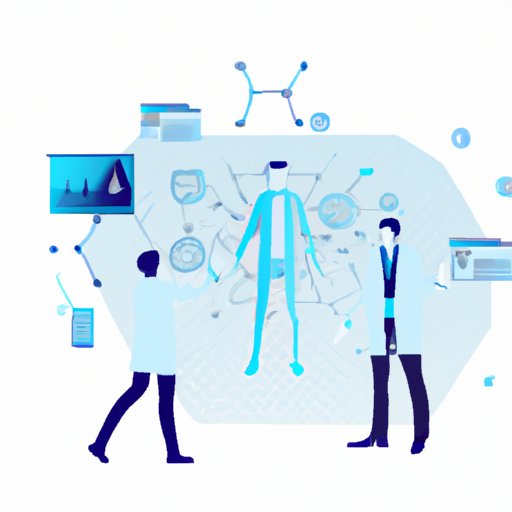
Investigating the Emerging Technologies in Health Science
As technology continues to advance, new tools and techniques are being developed to improve the quality of healthcare. Important technologies in health science include artificial intelligence (AI), robotics, virtual reality (VR) and augmented reality (AR), telemedicine, and 3D printing.
AI is being used to analyze data and identify patterns in order to diagnose diseases more quickly and accurately. Robotics is being used to automate tasks such as surgery and medication delivery. VR and AR are being used to train healthcare professionals, while telemedicine is being used to provide remote healthcare services. Finally, 3D printing is being used to create custom implants and prosthetics for patients.
These technologies have had a significant impact on the quality of life of patients. AI has allowed for faster and more accurate diagnoses, while robotics has enabled doctors to perform more precise and less invasive surgeries. VR and AR have improved training for healthcare professionals, and telemedicine has made it easier for patients to access care. 3D printing has revolutionized the way implants and prosthetics are created, making them more affordable and accessible to patients.

Analyzing the Impact of Health Science on Quality of Life
Health science has had a positive impact on the quality of life of individuals, families, and communities. The advances in technology have led to better and more efficient treatments, while the development of new therapies has improved outcomes for patients. In addition, health science has helped reduce the spread of disease through preventive measures such as immunizations and screenings.
Innovative practices in the field of health science have also led to improvements in quality of life. For example, telemedicine has allowed patients to receive medical care without having to leave their homes, while 3D printing has made prosthetics and implants more affordable and accessible. In addition, research into nutrition and lifestyle interventions has helped people make healthier choices and reduce their risk of chronic diseases.
Examining the Role of Health Science in Preventative Medicine
Preventative medicine is the practice of preventing illness and disease before they occur. Health science plays an important role in preventative medicine, as health science professionals are able to identify risk factors and intervene before a problem develops.
For example, health science professionals can use genetic testing to determine if a person is at risk for certain diseases. They can also recommend lifestyle changes such as exercising more, eating a healthy diet, and quitting smoking to reduce the risk of developing chronic diseases. In addition, health science professionals can provide vaccinations to prevent the spread of infectious diseases.
Conclusion
In conclusion, health science is a broad field that encompasses a variety of disciplines and careers. Health science professionals use their knowledge and skills to diagnose and treat illnesses, promote health and wellness, and improve the quality of life for individuals, families, and communities. They are also at the forefront of emerging technologies such as AI, robotics, VR/AR, telemedicine, and 3D printing, which have had a major impact on the quality of life of patients. Finally, health science professionals play an important role in preventative medicine, as they are able to identify risk factors and intervene before a problem develops.
The field of health science is constantly evolving, and those who pursue a career in the field can look forward to making a lasting and positive impact on the lives of others.
(Note: Is this article not meeting your expectations? Do you have knowledge or insights to share? Unlock new opportunities and expand your reach by joining our authors team. Click Registration to join us and share your expertise with our readers.)