
Introduction
Biomedical science is a broad and diverse field that encompasses a range of different disciplines related to the study of the human body and its various systems, organs, and diseases. This article will explore what biomedical science does, the impact it has on health care and medicine, and the variety of careers available in this field.
Exploring the Basics of Biomedical Science
To understand what biomedical science does, it’s important to first define what it is. According to the National Institutes of Health (NIH), “Biomedical science is the application of scientific principles and methods to the diagnosis, treatment, and prevention of disease.” In other words, it is the study of the human body and its various systems, organs, and diseases, with the goal of improving health care and medicine.
Biomedical science includes a variety of different disciplines, such as anatomy, physiology, biochemistry, genetics, cell biology, immunology, pharmacology, microbiology, pathology, and epidemiology. These disciplines are all related to the study of the human body, and they all work together to form a comprehensive understanding of how the body works and how to treat and prevent disease.
Biomedical science also covers a wide range of research areas, including clinical research, basic research, epidemiological research, and translational research. Clinical research focuses on understanding the causes and effects of diseases and developing new treatments and therapies. Basic research seeks to uncover the fundamental mechanisms of biological processes. Epidemiological research investigates the distribution and determinants of health-related states or events. And translational research bridges the gap between laboratory discoveries and their applications in the real world.
Examining the Impact of Biomedical Science on Health Care
Biomedical science has had a profound impact on health care. The advances made possible by biomedical research have revolutionized the way we diagnose, treat, and prevent disease. From vaccines and antibiotics to new surgical techniques and gene-targeted therapies, biomedical science has enabled us to develop effective treatments for many diseases that were previously untreatable.
One of the primary benefits of biomedical science is that it helps to improve patient outcomes. By understanding the underlying causes of disease, biomedical researchers can develop new treatments and therapies that are tailored to an individual’s specific needs. This has enabled doctors to provide more personalized care and to better manage chronic conditions.
In addition, biomedical science has enabled us to develop new diagnostic tools and technologies that can detect diseases earlier and more accurately. This has allowed doctors to intervene earlier and to provide more effective treatments. For example, a recent study published in the journal Cancer Research found that the use of advanced imaging technologies such as MRI and CT scans helped to significantly increase the accuracy of cancer diagnoses.
Investigating How Biomedical Science is Transforming Medicine
Biomedical science is also transforming the practice of medicine. Advances in biomedical research have enabled us to develop new treatments and therapies that are more effective and less invasive than traditional treatments. For example, a study published in the journal Nature found that gene therapy can be used to treat certain genetic disorders with fewer side effects than conventional treatments.
In addition, biomedical science has enabled us to develop new technologies, such as robotic surgery, that allow surgeons to perform complex and delicate procedures with greater precision. This has resulted in shorter hospital stays, fewer complications, and faster recovery times for patients.

Exploring the Variety of Careers in Biomedical Science
There are a variety of different careers available in biomedical science, ranging from research scientists and medical technicians to lab technicians and clinical trials coordinators. To get started in this field, you’ll need a degree in a relevant subject, such as biology or chemistry. You may also need to complete additional training, such as a postgraduate qualification or certification, depending on the type of job you’re looking for.
If you’re interested in pursuing a career in biomedical science, it’s important to gain experience in the field. This could include volunteering in a lab, attending conferences, and reading up on the latest developments in the field. It’s also a good idea to network with other professionals in the field, as this can help you to find job opportunities and stay up to date with the latest advancements in the field.
Understanding the Role of Technology in Biomedical Science
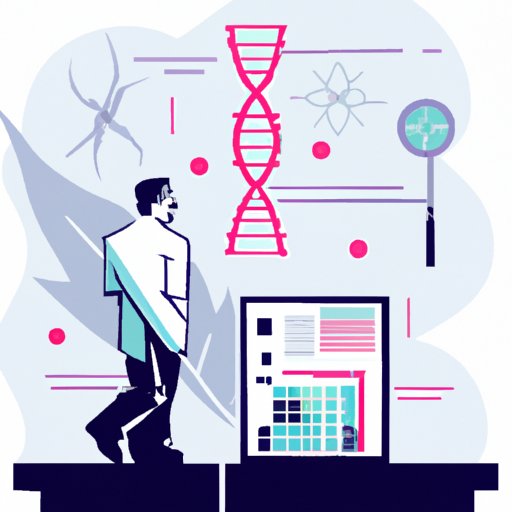
Technology plays an important role in biomedical science. New technologies, such as artificial intelligence, machine learning, and 3D printing, are enabling researchers to conduct more precise and efficient studies. These technologies are also being used to develop new diagnostic tools and treatments, such as gene-targeted therapies and personalized medicines.
Although technology has many advantages, there are also some potential drawbacks. For example, the use of technology can introduce bias into research, as algorithms may be programmed to favor certain outcomes. In addition, technological systems can be prone to errors and may not always be accurate. Therefore, it’s important to use technology responsibly and to ensure that any results are verified before they are used in a clinical setting.
Investigating the Benefits of Biomedical Science
Biomedical science has numerous benefits for both patients and society at large. One of the primary benefits is that it helps to improve patient care. By understanding the underlying causes of disease, biomedical scientists can develop new treatments and therapies that are tailored to an individual’s specific needs. This can help to reduce the burden of disease and improve patient outcomes.
In addition, biomedical science has a positive impact on public health. Advances in biomedical research have enabled us to develop new treatments and therapies that are more effective and less invasive than traditional treatments. This has resulted in fewer hospital visits, shorter hospital stays, and fewer complications. Moreover, it has helped to reduce the cost of health care, as new treatments and technologies are often more cost-effective than traditional treatments.
Discovering How Biomedical Science is Advancing Research
Biomedical science is also advancing our understanding of biology and medicine. Recent advances in genetics and genomics have enabled us to better understand the underlying causes of disease and to develop new treatments and therapies. In addition, advances in robotics, artificial intelligence, and machine learning have enabled us to automate certain tasks, such as the analysis of medical data, which has helped to speed up the process of medical research.
Despite these advances, however, there are still many challenges facing biomedical researchers. These include a lack of funding, the complexity of biological systems, and the difficulty of translating laboratory discoveries into practical applications. Therefore, it is essential that we continue to invest in biomedical research if we are to make further progress in improving health care and medicine.
Conclusion
This article has explored what biomedical science does, the impact it has on health care and medicine, and the variety of careers available in this field. We have seen that biomedical science has enabled us to diagnose and treat diseases more effectively and to develop new treatments and technologies that are less invasive and more cost-effective. We have also seen that biomedical science is advancing our understanding of biology and medicine and has a positive impact on public health. Finally, we have discussed the challenges facing biomedical researchers and the importance of investing in biomedical research if we are to make further progress in improving health care and medicine.
(Note: Is this article not meeting your expectations? Do you have knowledge or insights to share? Unlock new opportunities and expand your reach by joining our authors team. Click Registration to join us and share your expertise with our readers.)