
Introduction
The ketogenic (keto) diet has become increasingly popular in recent years as a way to lose weight and improve overall health. But what exactly is a keto diet? In this article, we’ll take a comprehensive look at what a keto diet entails, its potential benefits, and how to get started.
A Comprehensive Look at What a Keto Diet Consists of
At its core, the keto diet is a low-carb, high-fat eating plan that focuses on limiting carb intake while increasing fat intake. This leads the body to shift from burning carbs for energy to burning fat, which produces ketones in the liver that are then used as energy.
Macronutrients
A typical keto diet consists of 70-80% fat, 15-20% protein, and 5-10% carbohydrates. According to registered dietitian nutritionist Sarah Rueven, “The goal of the keto diet is to get your body into a state of ketosis, where it will burn fat for fuel instead of carbs. To achieve this, you need to limit your carb intake and increase your fat intake.”
Key Nutrients
In addition to focusing on macronutrients, there are several other key nutrients to consider when following a keto diet. These include fiber, vitamins, minerals, and water. While fiber is not typically counted as a macronutrient, it is important to consume enough fiber on a keto diet in order to promote healthy digestion and keep you feeling full.
Foods to Eat and Avoid
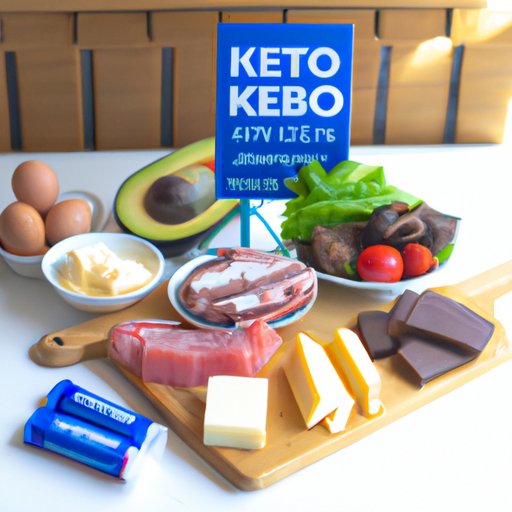
On a keto diet, the focus is on consuming whole, unprocessed foods such as fatty fish, nuts and seeds, non-starchy vegetables, and healthy fats like olive oil and avocado. Foods to avoid on a keto diet include grains, beans and legumes, sugary foods, and processed foods. Alcohol is also off-limits on a keto diet.
Exploring the Nutritional Benefits of a Keto Diet
There are several potential health benefits associated with following a keto diet, including weight loss, lower blood pressure, and improved cholesterol levels. According to research published in the journal Nutrients, “The keto diet has been shown to be effective for rapid weight loss, improving lipid profiles, and reducing blood sugar levels.”
Weight Loss
One of the most well-known benefits of a keto diet is its ability to promote weight loss. Research has found that following a keto diet can lead to greater fat loss than a traditional low-calorie diet. Additionally, a study published in the journal Nutrition & Metabolism found that participants who followed a keto diet for 24 weeks lost an average of 8.5 pounds more than those who followed a standard low-calorie diet.
Lower Blood Pressure
High blood pressure is a major risk factor for heart disease, stroke, and other chronic conditions. Fortunately, following a keto diet may help reduce blood pressure. A study published in the journal Nutrients found that after 12 weeks of following a keto diet, participants experienced a significant reduction in both systolic and diastolic blood pressure.
Improved Cholesterol Levels
Cholesterol levels are also an important marker of heart health. Research has found that following a keto diet can help improve cholesterol levels. A study published in the journal Nutrients found that after 12 weeks of following a keto diet, participants experienced a significant decrease in total cholesterol, LDL (“bad”) cholesterol, and triglycerides.
How to Start a Keto Diet: The Basics
If you’re ready to try a keto diet, there are a few key steps to get started. First, you’ll need to calculate your macros—that is, the amount of fat, protein, and carbs you should aim to consume each day. You can use an online calculator or work with a dietitian to determine your target macros.
Calculating Your Macros
Once you know your target macros, you’ll need to shop for groceries and meal plan accordingly. Focus on purchasing whole, unprocessed foods such as lean proteins, non-starchy vegetables, nuts and seeds, and healthy fats. When meal planning, make sure to include snacks and divide your meals into three main meals and two snacks per day.
Shopping for Groceries
Meal planning is an important part of any diet, but it’s especially important when following a keto diet. Make sure to include plenty of healthy fats, proteins, and non-starchy vegetables in your grocery list. Additionally, try to purchase organic produce whenever possible and opt for grass-fed, pasture-raised animal products.
Meal Planning
Finally, it’s time to create your meal plan. Start by writing out a list of breakfast, lunch, dinner, and snack ideas that fit your macros. Aim to create a variety of meals to keep things interesting. Additionally, make sure to drink plenty of water throughout the day to stay hydrated.

A Guide to the Different Types of Keto Diets
There are several different types of keto diets, each with its own set of guidelines. Here’s a quick overview of the four most common types of keto diets:
Standard Keto Diet
The standard keto diet is the most popular type of keto diet. It involves consuming 70-80% of calories from fat, 15-20% of calories from protein, and 5-10% of calories from carbs. This is the classic version of the keto diet and is great for beginners.
Modified Keto Diet
The modified keto diet is similar to the standard keto diet, but allows for a slightly higher carb intake. Instead of 5-10%, the modified keto diet allows for up to 20% of calories from carbs. This type of keto diet is great for people who want to experience the benefits of a keto diet without going too low in carbs.
Cyclical Keto Diet
The cyclical keto diet is a more advanced version of the keto diet. It involves alternating between periods of high-carb and low-carb eating. During the high-carb days, you can consume up to 50% of your calories from carbs. This type of diet is great for athletes or active individuals who need extra carbs for performance.
Targeted Keto Diet
The targeted keto diet is another advanced version of the keto diet. It allows for the consumption of carbs around workouts to improve performance. On this type of diet, you can consume up to 25-50 grams of carbs around workouts, depending on your goals.
An Overview of Popular Keto Foods and Recipes
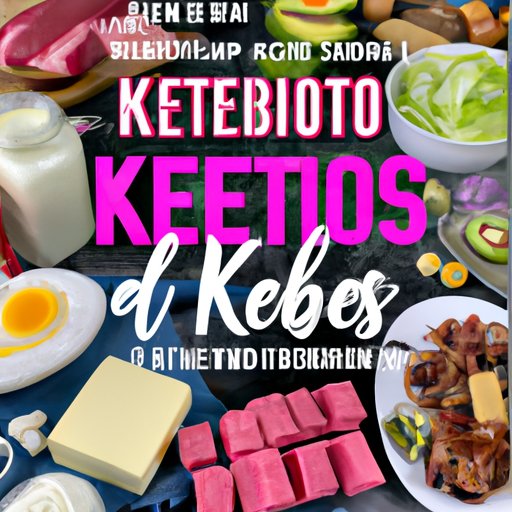
When following a keto diet, it’s important to include a variety of foods in your meals. Here are some popular keto-friendly foods to add to your grocery list: eggs, fatty fish, nuts and seeds, non-starchy vegetables, avocados, olive oil, and coconut oil. Additionally, here are some delicious keto-friendly recipes to try:
Breakfast Ideas
Egg muffins, omelets with spinach and cheese, chia seed pudding, and avocado toast.
Lunch Ideas
Tuna salad, salmon and veggie stir fry, chicken and cauliflower rice, and turkey lettuce wraps.
Dinner Ideas
Baked salmon with asparagus, steak and broccoli, pork chops with Brussels sprouts, and shrimp and zucchini noodles.
Snack Ideas
Hummus and vegetables, hard-boiled eggs, trail mix, and cheese and olives.
Conclusion
The keto diet is a popular way to lose weight and improve overall health. It involves limiting carbs while increasing fat intake in order to get the body into a state of ketosis. There are several potential health benefits associated with following a keto diet, including weight loss, lower blood pressure, and improved cholesterol levels. If you’re interested in trying a keto diet, make sure to calculate your macros and focus on consuming whole, unprocessed foods. There are also several different types of keto diets, so make sure to choose the one that best fits your lifestyle and goals.
(Note: Is this article not meeting your expectations? Do you have knowledge or insights to share? Unlock new opportunities and expand your reach by joining our authors team. Click Registration to join us and share your expertise with our readers.)