
Introduction
Traveling to Europe is an exciting adventure that can be filled with unforgettable memories. However, there are certain steps that must be taken in order to ensure a safe, successful, and enjoyable journey. From researching visa and passport requirements to finding affordable flights and accommodations, travelers need to plan ahead in order to make their European vacation as seamless and stress-free as possible.

Researching Requirements for Visas and Passports
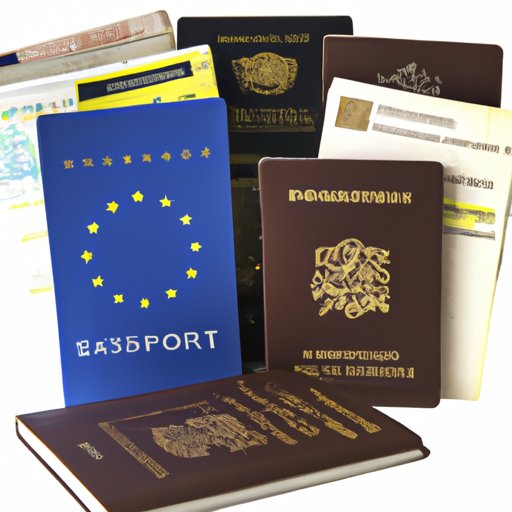
Before booking any type of transportation, it’s important to check the visa and passport requirements for the specific country or countries you plan to visit. Depending on your nationality, you may need to apply for a visa in order to enter certain nations. Additionally, most countries require that your passport be valid for at least six months beyond your departure date. To find out what documentation is needed for entry into each respective nation, travelers should contact the embassy or consulate of the country they plan to visit.
Once you’ve gathered all the necessary information, you can begin the application process. This usually includes filling out an online form and submitting additional documents such as a copy of your passport, proof of financial stability, and a letter of invitation (if applicable). Processing times vary, so it’s best to apply for the necessary visas and/or passports well in advance of your trip.
Comparing Airfare Prices and Booking Flights
The cost of airfare will likely make up the bulk of your travel budget, so it pays to shop around. Most airlines offer discounted fares during certain times of the year, so be sure to check multiple websites to compare prices and dates. When reviewing fares, be sure to note any taxes and fees that may be associated with the flight. These can add up quickly, so it’s important to factor them into the overall cost of the ticket.
Once you’ve found the best deal, you can book the flight. Most airlines allow you to purchase tickets online, but you may also need to call the airline directly if you have any special requests or need to make changes to the reservation. Be sure to keep a copy of your itinerary handy, as this will be required when you check in for your flight.

Finding Accommodations and Transportation Options
Once you’ve booked your flight, you can start looking for places to stay. Hotels are a popular option, but hostels and Airbnb properties offer more affordable rates. Keep in mind that many cities have strict noise ordinances, so be sure to read reviews and research the area before committing to a specific accommodation. Additionally, many hotels and hostels offer discounts for extended stays or group bookings.
When it comes to getting around, you have several options. Local buses, trains, and taxis are available in most cities, and some regions even offer rental cars. If you plan to rent a car, be sure to research the laws and regulations in the country you’re visiting. Additionally, make sure to familiarize yourself with common road signs and speed limits.
Planning an Itinerary of Places to Visit
Once you’ve settled on your accommodations and transportation options, it’s time to start planning your itinerary. Begin by researching the must-see destinations in each city or region you plan to visit. Once you’ve identified the sites you’d like to see, establish an order of visits based on location and availability. Finally, be sure to schedule enough time for sightseeing – after all, this is your chance to explore and take in the beauty of Europe.

Preparing for Cultural Differences and Local Customs
No matter where you’re traveling, it’s important to be respectful of the local culture and customs. Before arriving in a new country, research etiquette guidelines and learn key phrases in the native language. Additionally, familiarize yourself with the country’s religious beliefs and political situation. By being mindful of cultural differences, you can ensure that your trip is a positive and respectful experience for both yourself and the locals.
Conclusion
Traveling to Europe can be an incredibly rewarding experience, but it’s important to plan ahead in order to ensure a successful trip. From gathering the necessary visas and passports to comparing airfare prices and finding accommodations, taking the time to properly prepare can save you money, time, and stress down the line. Additionally, it’s essential to respect the local culture and customs in every country you visit. With the right planning and preparation, your trip to Europe can be enjoyable and memorable.
(Note: Is this article not meeting your expectations? Do you have knowledge or insights to share? Unlock new opportunities and expand your reach by joining our authors team. Click Registration to join us and share your expertise with our readers.)