
Introduction
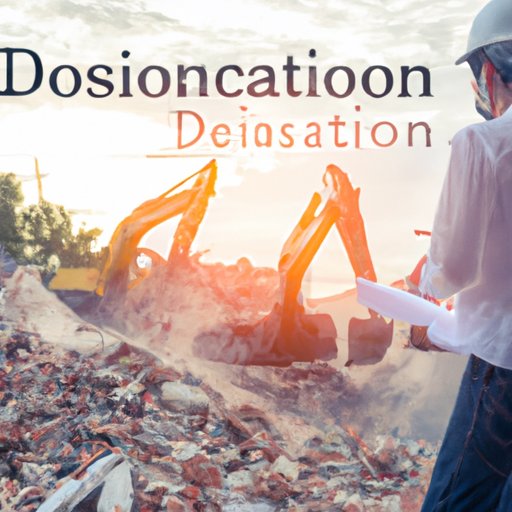
Demolition businesses are in high demand as people look for ways to renovate their homes or offices. When it comes to starting a demolition business, there is more to consider than just taking a sledgehammer to a wall. Before you can begin, you need to research local laws and regulations, invest in appropriate equipment and tools, hire a qualified team of employees, obtain insurance coverage, and develop a business plan to secure financing.

Research the Local Laws and Regulations for Demolition Businesses
Before you can start your demolition business, it’s important to understand the laws and regulations that apply to your area. This includes researching building codes and obtaining the necessary licenses and permits. It’s also important to be aware of any environmental regulations that may apply to your business.
Understanding Building Codes
Building codes are established by city and state governments to ensure the safety of structures. These codes dictate how buildings should be constructed and maintained. As a demolition business owner, you will need to know and abide by these codes when performing demolition work. Research the building codes in your area to make sure you are compliant with all applicable regulations.
Obtaining Necessary Licenses and Permits
In addition to understanding building codes, you will need to obtain the necessary licenses and permits before you can start your demolition business. Depending on where you live, this could include a contractor’s license, a business license, and other permits. Contact your local government office to find out what documents you need to obtain.
Understanding Environmental Regulations
Environmental regulations are another important factor to consider when starting a demolition business. Depending on the type of demolition work you plan to do, you may need to adhere to certain environmental standards and guidelines. Research the environmental regulations in your area and make sure you are compliant with all applicable regulations.

Invest in Appropriate Equipment and Tools
Once you have researched the local laws and regulations, you can begin investing in the appropriate equipment and tools for your demolition business. Choosing the right equipment will help ensure the safety of your crew and the quality of your work.
Choosing the Right Equipment
When it comes to choosing the right equipment for your demolition business, it’s important to consider both the size of the job and the type of material you will be working with. For smaller jobs, you may only need basic tools such as hammers, crowbars, and saws. For larger projects, you may need to invest in heavy-duty equipment such as jackhammers and excavators. Consider the types of jobs you plan to take on and choose the right equipment accordingly.
Purchasing Safety Gear
In addition to the right equipment, you will need to purchase safety gear for yourself and your crew. This includes hard hats, safety glasses, steel-toed boots, gloves, protective clothing, and respirators. Make sure everyone on your team has the appropriate safety gear before beginning any demolition work.
Hire a Qualified Team of Employees
Having a qualified team of employees is essential for any successful demolition business. You need workers who have the skills and experience to complete demolition projects safely and efficiently.
Finding Qualified Workers
When looking for qualified workers, start by checking with local trade schools and apprenticeship programs. Many of these schools offer courses in demolition and related fields. You can also check with local job boards and online job sites for potential candidates. Talk to each candidate about their qualifications and previous experience to determine if they are a good fit for your business.
Establishing Pay Rates and Benefits
Once you have identified the right candidates for your team, it’s important to establish pay rates and benefits. Set competitive wages that reflect the market rate for the type of work you will be doing. Offer benefits such as health insurance, vacation time, and retirement plans to attract and retain qualified workers.
Obtain Insurance Coverage
Insurance is an essential part of any business, including demolition businesses. Having the right insurance coverage will protect you and your employees from potential risks and liabilities.
Types of Insurance Coverage
The type of insurance coverage you need will depend on the size and scope of your business. Generally speaking, you will need liability insurance, property insurance, and workers’ compensation insurance. Talk to an insurance agent to determine the best coverage for your business.
Working With an Insurance Agent
When shopping for insurance coverage, it’s important to work with a knowledgeable and experienced insurance agent. An agent can help you compare different policies and explain the coverage options available. They can also help you find the most cost-effective insurance for your business.

Develop a Business Plan and Secure Financing
Before you can start your demolition business, you will need to create a detailed business plan and secure financing. A business plan will help you identify your goals and strategies for achieving them. It will also help you secure financing from banks and investors.
Crafting a Business Plan
Your business plan should include an executive summary, company description, market analysis, organizational structure, financial projections, and more. It’s important to be as detailed as possible when crafting your plan. Hire a professional business plan writer if needed to ensure your plan is thorough and accurate.
Securing Financing From Banks and Investors
Once you have created your business plan, you can begin the process of securing financing from banks and investors. Banks and investors want to see a well-thought-out plan that outlines your goals, strategies, and financial projections. Present your business plan to potential lenders and investors and explain why your business is a good investment.
Conclusion
Starting a demolition business requires careful research, planning, and preparation. Research the local laws and regulations, invest in appropriate equipment and tools, hire a qualified team of employees, obtain insurance coverage, and develop a business plan to secure financing. With the right preparation, you’ll be ready to start your demolition business and begin taking on projects.
(Note: Is this article not meeting your expectations? Do you have knowledge or insights to share? Unlock new opportunities and expand your reach by joining our authors team. Click Registration to join us and share your expertise with our readers.)