
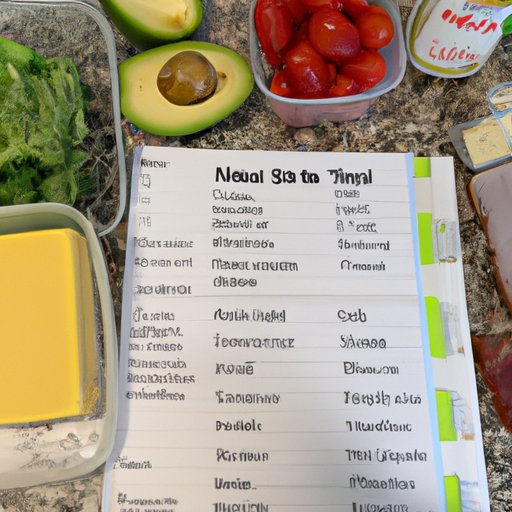
Introduction
The ketogenic (or “keto”) diet is a high-fat, low-carb eating plan that has been gaining popularity in recent years. The goal of the diet is to induce a state of ketosis, which is when your body burns fat for energy instead of carbs. While it’s not easy to follow, studies have found that the keto diet can lead to significant weight loss and improved health markers.

Overview of the Keto Diet
The keto diet is based on a very simple premise: by limiting your carb intake to around 5-10% of total calories, your body will be forced to burn fat for fuel. A typical keto meal plan consists of high-fat, moderate-protein foods like meat, fish, eggs, dairy, nuts and seeds, and non-starchy vegetables. Foods that are high in carbohydrates, such as grains, legumes, fruit, and starchy vegetables, are generally off-limits.
In order to stay in a state of ketosis, you must keep your carb intake below a certain level. The exact amount varies depending on your activity level and other factors, but most people aim for around 20-50 grams of net carbs per day (total carbs minus fiber).
Benefits of Following a Keto Diet
There are many potential benefits to following a keto diet, including weight loss, increased energy levels, improved mental clarity, and more. Studies have shown that the keto diet can lead to significant reductions in body weight and waist circumference, as well as improvements in cholesterol levels, blood sugar control, and other markers of health.
In addition, some people find that they have more energy and focus while following a keto diet, thanks to its ability to promote stable blood sugar levels and reduce cravings for sugary and processed foods.
Shopping for Keto Foods
One of the keys to success on the keto diet is knowing what types of foods to buy. Here are some tips for finding keto-friendly options at the grocery store:
List of Keto-Friendly Foods
When shopping for keto-friendly foods, stick to the basics: meat, fish, eggs, dairy, nuts, seeds, and non-starchy vegetables. You should also look for products that are high in healthy fats, such as avocados, olives, coconut oil, and nut butters.
Tips for Reading Labels
It’s important to read labels carefully when shopping for keto-friendly foods. Look for foods that are low in carbohydrates and high in fat and protein. Also, be sure to check the serving size and the number of net carbs per serving. Many packaged foods contain hidden sources of carbohydrates, so it’s important to double-check the nutrition facts label.
Tips for Eating Out on the Keto Diet
Eating out can be tricky when following a keto diet, but it’s not impossible. When dining out, look for dishes that are made with high-fat, low-carb ingredients, such as steak, salmon, and eggs. Avoid breaded or fried foods, and opt for steamed, grilled, or baked options instead. You can also ask for sauces and dressings on the side to avoid hidden sources of carbohydrates.
Meal Planning and Prepping
Meal planning and prepping are essential for staying on track with the keto diet. Here are some tips for making keto-friendly meals at home:
Making Keto-Friendly Meals at Home
When cooking at home, focus on making meals that are high in fat and low in carbs. Try to incorporate a variety of proteins, such as beef, chicken, pork, fish, and eggs, as well as non-starchy vegetables, nuts, and seeds. Don’t forget to include healthy fats, such as olive oil, avocado oil, and coconut oil.
Tips for Meal Planning and Prepping
Meal planning and prepping can save time and make it easier to stick to the keto diet. Start by making a list of meals that you can make ahead of time, such as casseroles, soups, and stews. Then, create a grocery list and shop for the ingredients. Finally, dedicate a few hours each week to cooking and prepping meals for the week ahead.
According to registered dietitian Sarah Rueven, RD, “Meal prepping is key to sticking to the keto diet, since it takes away the stress of having to figure out what to eat. It also helps you stay within your carbohydrate limit throughout the day.”
Conclusion
Following the keto diet can be challenging, but with the right information and tools, it can be easy to succeed. Knowing what to eat on the keto diet is essential for achieving and maintaining ketosis. To get started, focus on shopping for keto-friendly foods, planning and prepping meals, and reading nutrition labels carefully. With a little bit of effort, you can reap the many benefits of following a keto diet.
(Note: Is this article not meeting your expectations? Do you have knowledge or insights to share? Unlock new opportunities and expand your reach by joining our authors team. Click Registration to join us and share your expertise with our readers.)