
Introduction
The ketogenic diet, commonly referred to as the “keto” diet, is a high-fat, moderate-protein, and low-carbohydrate diet. This type of diet has been gaining popularity in recent years due to its purported health benefits, such as weight loss, improved cognitive function, and reduced inflammation.
Although the keto diet can be difficult to follow at first, it doesn’t have to be complicated. By understanding what food groups are allowed on a keto diet and how to properly meal prep and create delicious recipes, you can make the transition to living a keto lifestyle much easier.

Exploring the Different Food Groups of a Keto Diet
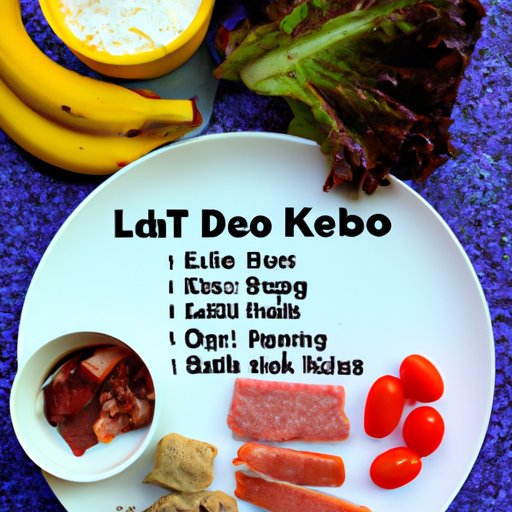
When following a keto diet, the majority of your calories should come from fat. Healthy fats, such as olive oil, avocado oil, coconut oil, and butter, are great sources of energy and essential fatty acids. Proteins, such as poultry, fish, eggs, and nuts, should make up about 20-25% of your caloric intake. Finally, carbohydrates should be limited to 5-10% of your daily calorie intake.
Vegetables are an important part of the keto diet. Vegetables are rich in vitamins, minerals, and fiber and are also low in carbohydrates. Leafy greens, such as spinach and kale, are especially beneficial. Low-carb fruits, such as berries and lemons, can also be included in moderation.

Meal Prepping for a Keto Diet
Meal prepping is a great way to stay organized and ensure that you’re eating the right foods on a keto diet. Planning ahead will help you save time and money, and it will also help you stick to your diet. Start by making a grocery list of all the ingredients you need for the week. Then, prepare meals in advance so that you can grab them quickly when you’re in a rush.
Creating Delicious Keto Recipes
One of the best ways to stay motivated on a keto diet is to get creative with recipes. Experimenting with alternative ingredients, such as almond flour and coconut milk, can help you create delicious and nutritious meals. Additionally, incorporating healthy fats, such as olive oil and avocados, can add flavor and texture to your dishes. Don’t forget to include nutrient-rich vegetables, such as broccoli and cauliflower, to round out your meals.
Finding Low-Carb Alternatives to Popular Foods
It can be difficult to give up some of your favorite foods when following a keto diet. Fortunately, there are many low-carb alternatives to popular foods. For example, you can replace grains with nuts and seeds, such as almonds and chia seeds. You can also substitute sugary treats with natural sweeteners, such as stevia and monk fruit. When choosing dairy products, opt for unsweetened versions, such as heavy cream and Greek yogurt.
Eating Out on a Keto Diet
Eating out can be tricky when following a keto diet, but it doesn’t have to be impossible. Before going out to eat, do some research to find restaurants that offer keto-friendly options. When ordering, make sure to ask for special requests, such as no added sugars or oils. Additionally, be mindful of portion sizes and be sure to avoid high-carb dishes, such as pasta and bread.

Understanding Macronutrients and How They Affect the Keto Diet
Macronutrients are the three main types of nutrients that provide us with energy: fat, protein, and carbohydrates. On a keto diet, fat should make up the majority of your caloric intake, followed by protein and then carbohydrates. According to one study, “A well-formulated ketogenic diet should consist of at least 70% fat, 10-20% protein, and 5-10% carbohydrates” (Nutrition & Metabolism, 2018).
Conclusion
The keto diet is a high-fat, moderate-protein, and low-carbohydrate diet that has been linked to numerous health benefits. Although the keto diet can be challenging to follow, it doesn’t have to be complicated. By understanding which food groups are allowed on a keto diet, meal prepping, creating delicious recipes, and finding low-carb alternatives to popular foods, you can make the transition to living a keto lifestyle much easier. Finally, it’s important to understand the role of macronutrients and how they affect the keto diet.
In conclusion, a keto diet can be a great way to improve your overall health and wellbeing. With a little bit of planning and creativity, you can enjoy the benefits of a healthy lifestyle without sacrificing taste.
(Note: Is this article not meeting your expectations? Do you have knowledge or insights to share? Unlock new opportunities and expand your reach by joining our authors team. Click Registration to join us and share your expertise with our readers.)