
Introduction: Explaining the Basics of Investing in Commodities and Why It Should Be Considered by Those Looking to Diversify Their Portfolios
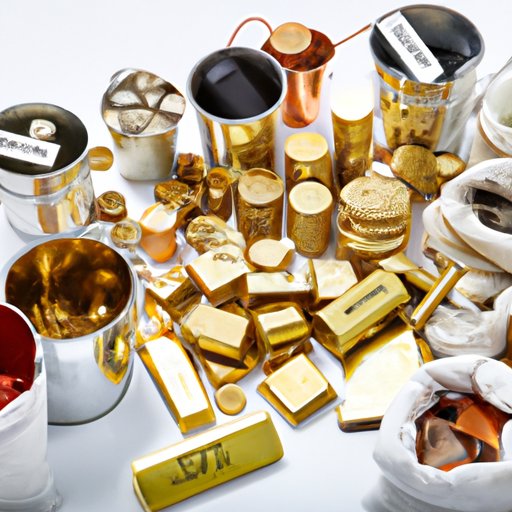
Investing in commodities can be a great way to diversify your portfolio and potentially increase your overall returns. Commodities are physical products that are traded on exchanges, such as oil, gold, wheat, copper, and other raw materials. They are often seen as a hedge against inflation because they tend to hold their value better than stocks or bonds in times of economic uncertainty. Investing in commodities also provides investors with exposure to global markets and allows them to take advantage of price movements in different parts of the world.
When considering investing in commodities, it is important to understand the different types of commodities available and what to look for when selecting an investment. Additionally, understanding the role of supply and demand in determining commodity prices, as well as leveraging market volatility to maximize returns, are key factors in making successful investments.
Analyzing the Different Types of Commodities and What to Look for When Investing
There are several different types of commodities available for investors to choose from. These include energy commodities, agricultural commodities, precious metals, and industrial metals. Each type has its own unique characteristics and potential risks and rewards. It is important to evaluate each commodity individually and determine which one best fits your investment goals and risk tolerance.
Energy Commodities
Energy commodities refer to natural resources such as crude oil, natural gas, and coal. Prices of these commodities are largely determined by global supply and demand, as well as political and economic events. Investors should consider geopolitical tensions and environmental regulations when evaluating energy commodities.
Agricultural Commodities
Agricultural commodities refer to products derived from plants and animals, such as corn, soybeans, wheat, pork bellies, and live cattle. Prices of these commodities can be affected by weather conditions, government policies, and international trade agreements. Investors should research the current state of global agriculture and any potential changes to the industry that may affect prices.
Precious Metals
Precious metals refer to metals such as gold, silver, platinum, and palladium. These metals are valued for their rarity and beauty, and are often used as a store of value or hedge against inflation. Prices of precious metals can be influenced by global economic events, currency fluctuations, and geopolitical tensions.
Industrial Metals
Industrial metals refer to metals such as aluminum, copper, lead, and zinc. These metals are used in a variety of industries, such as construction, manufacturing, and transportation. Prices of industrial metals are largely driven by economic growth, as well as supply and demand dynamics.
Historical Performance of Various Commodities and How to Use it as a Guide
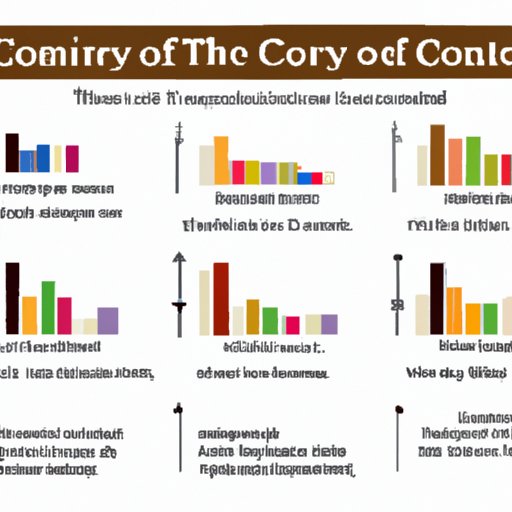
Examining past performance of various commodities can help investors determine potential future trends. Analyzing the economic factors that influence commodity prices can provide insight into whether the commodity is likely to appreciate or depreciate in value over time. Additionally, it is important to consider the impact of global events, such as wars, natural disasters, and political unrest, as these can have a significant effect on the price of commodities.
Understanding the Role of Supply and Demand in Determining Commodity Prices
Supply and demand are two of the most important factors that influence commodity prices. The amount of a particular commodity that is available will affect the price, as will the number of people who want to buy or sell the commodity. Identifying sources of supply and demand can help investors better understand how prices are likely to fluctuate over time.
Leveraging Market Volatility to Maximize Returns on Commodity Investments
Market volatility can be leveraged to maximize returns on commodity investments. Taking advantage of short-term price movements can allow investors to capitalize on quick profits. Additionally, utilizing stop loss orders can help manage risk and protect against losses if the market moves against an investor’s position.
Evaluating Risk Tolerance and Investment Goals When Deciding Which Commodities to Invest In
It is important to evaluate individual investment objectives and determine an appropriate level of risk tolerance when deciding which commodities to invest in. Investors should assess their financial goals and decide which types of investments are most likely to help them achieve those goals.
Identifying Long-Term Trends in Commodity Markets and How to Capitalize On Them
Long-term trends in commodity markets can provide valuable insight into potential future investments. By analyzing historical data, investors can identify patterns and determine which investments are likely to appreciate in value over time. Once these trends have been identified, investors can choose investments that capitalize on these trends.

Exploring Commodity ETFs and Mutual Funds as an Investment Option
Exchange-traded funds (ETFs) and mutual funds are another option for those looking to invest in commodities. These funds allow investors to purchase a basket of commodities without having to purchase individual assets. However, it is important to research the underlying assets of an ETF or mutual fund before investing, as these funds can carry additional risks.
Conclusion: Summarizing the Key Points of Investing in Commodities and How to Make Informed Decisions When Choosing Which Ones to Invest In
Investing in commodities can be a great way to diversify your portfolio and potentially increase your overall returns. When selecting investments, it is important to understand the different types of commodities available and what to look for when investing. Additionally, understanding the role of supply and demand in determining commodity prices, as well as leveraging market volatility to maximize returns, are key factors in making successful investments. Finally, investors should evaluate individual investment objectives and risk tolerance when deciding which commodities to invest in.
(Note: Is this article not meeting your expectations? Do you have knowledge or insights to share? Unlock new opportunities and expand your reach by joining our authors team. Click Registration to join us and share your expertise with our readers.)