

Introduction
Forensic science is a branch of science that deals with the application of scientific principles and techniques to criminal investigations and court proceedings. It is a specialized field of science that combines the knowledge and expertise of many other disciplines such as chemistry, biology, toxicology, medicine, engineering, and psychology. Forensic science can be used to help in solving criminal cases by providing evidence that can be used to identify suspects or prove guilt in a court of law.

Different Fields of Forensic Science
Forensic science encompasses a wide range of sub-disciplines, each with its own unique set of techniques and technologies. Some of these disciplines include DNA analysis, toxicology, ballistics, digital forensics, fingerprinting, crime scene investigation, and pathology. Each of these disciplines requires specialized training and knowledge to properly analyze evidence and draw conclusions from it.
DNA analysis is perhaps the most widely known field of forensic science. This type of analysis involves extracting DNA from biological samples such as blood, saliva, and hair and comparing it to DNA found at a crime scene. Toxicology is another important field of forensic science which involves the study of drugs and their effects on the body. Ballistics is the study of bullets and firearms, while digital forensics examines computers and other electronic devices for evidence of criminal activity. Fingerprinting is a technique used to identify individuals based on the unique patterns of their fingerprints. Crime scene investigation involves examining the scene of a crime for evidence that can be used in an investigation. Lastly, pathology is the study of diseases and how they affect the body.

History and Evolution of Forensic Science
The use of scientific methods to solve criminal cases dates back to the late 19th century. During this period, Italian criminologist Cesare Lombroso developed the first modern scientific method for crime investigation. He used anthropometry, or the measurement of physical characteristics, to identify criminals. This technique was soon adopted by other countries and paved the way for the development of more sophisticated forensic techniques.
In the early 20th century, forensic scientists began to develop new technologies and techniques to aid in criminal investigations. For example, fingerprinting became a common method of identification and was used in the trial of a murderer in the United Kingdom in 1901. In the 1950s and 1960s, advances in DNA technology revolutionized forensic science and made it possible to identify individuals using their genetic material. Today, forensic science has become a major part of criminal investigations and relies on the latest technologies and techniques to provide evidence in court.
Emerging Technologies and Techniques in Forensic Science
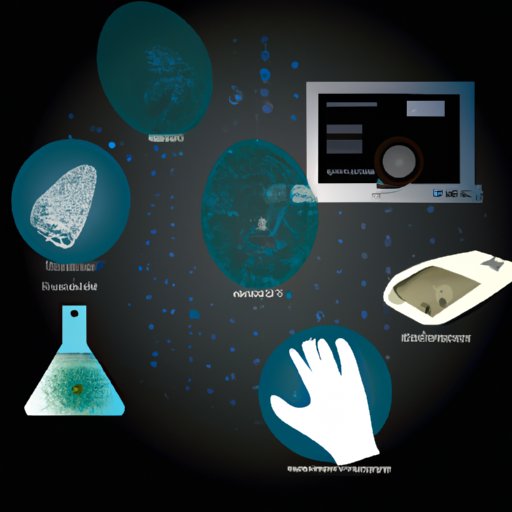
Forensic science is constantly evolving as new technologies and techniques are developed. For example, mass spectrometry is a technology used to identify trace amounts of chemicals in a sample. This technology is often used in drug testing and can detect even small amounts of illegal substances in a person’s system. Another emerging technology is computer forensics, which involves analyzing computers and other electronic devices for evidence of criminal activity.
Forensic science also relies on the use of artificial intelligence (AI) and machine learning algorithms to analyze data. AI can be used to assist in criminal investigations by identifying patterns in large sets of data. For example, AI can be used to analyze crime scene photos and videos to identify suspects or reconstruct events that took place during a crime.
Role of Forensic Science in Criminal Justice
Forensic science plays an essential role in criminal justice, as it can be used to provide key evidence in criminal cases. The use of forensic evidence can be instrumental in determining the guilt or innocence of a suspect, as well as helping to identify suspects and narrow down possible suspects. Forensic evidence can also be used in court to support or refute the testimony of witnesses.
For example, DNA analysis can be used to match a suspect’s DNA to that found at a crime scene, while ballistics can be used to link a suspect to a weapon used in a crime. Digital forensics can help investigators gain access to encrypted data or uncover evidence of online activities, while toxicology can help determine whether a suspect was under the influence of drugs or alcohol at the time of the crime.
Impact of Forensic Science on Society
The impact of forensic science on society cannot be overstated. It has revolutionized criminal investigations and has made it easier to solve complex cases. By providing reliable and accurate evidence, forensic science has enabled police and prosecutors to bring criminals to justice and ensure that innocent people are not wrongfully convicted.
Forensic science has also helped to exonerate innocent people who were falsely accused of crimes. For example, in 1989, DNA evidence was used to exonerate Gary Dotson, who had been wrongfully convicted of rape in 1978. In more recent years, DNA evidence has been used to free numerous people who had been wrongfully convicted of murder and other serious offenses.
Conclusion
Forensic science is an invaluable tool for criminal justice professionals and has revolutionized the way criminal cases are investigated and solved. It is a diverse field of science that encompasses a variety of disciplines and relies on the latest technologies and techniques to provide reliable evidence in court. Forensic science has a profound impact on society, as it helps to ensure that justice is served and innocent people are not wrongfully convicted.
(Note: Is this article not meeting your expectations? Do you have knowledge or insights to share? Unlock new opportunities and expand your reach by joining our authors team. Click Registration to join us and share your expertise with our readers.)