
Overview of the Keto Diet: What It Is and How it Works
The ketogenic diet, often referred to as the “keto diet”, is a low-carbohydrate, high-fat diet that has become increasingly popular in recent years. This diet focuses on reducing carbohydrates and increasing fat intake in order to put the body into a metabolic state known as “ketosis”. In this state, the body burns fat for energy instead of glucose, which can lead to a number of health benefits such as weight loss, improved health markers, increased energy levels, and reduced appetite and cravings.
Definition of the Keto Diet
The keto diet is a high-fat, low-carbohydrate diet. The goal is to reduce your daily carbohydrate intake to about 5-10% of total calories consumed, while increasing your fat intake to about 70-75%. This ratio will help your body enter a state of ketosis, where it will begin burning fat for fuel instead of glucose. This shift in fuel sources can result in a wide range of health benefits.
How the Keto Diet Works
The keto diet works by drastically reducing your intake of carbohydrates and replacing those calories with fat. When your body runs out of glucose (the primary source of energy from carbohydrates) it begins to burn fat for fuel. This process is known as “ketosis”. During ketosis, your body produces molecules called ketones, which are then used as an alternative energy source.
When following a keto diet, it’s important to be mindful of your macronutrient ratios. Aim to keep your daily carbohydrate intake to around 5-10% of total calories consumed, while increasing your fat intake to about 70-75% of total calories consumed. This ratio will help your body enter a state of ketosis, where it will begin burning fat for fuel instead of glucose.
A Comprehensive List of Foods You Can Eat on the Keto Diet
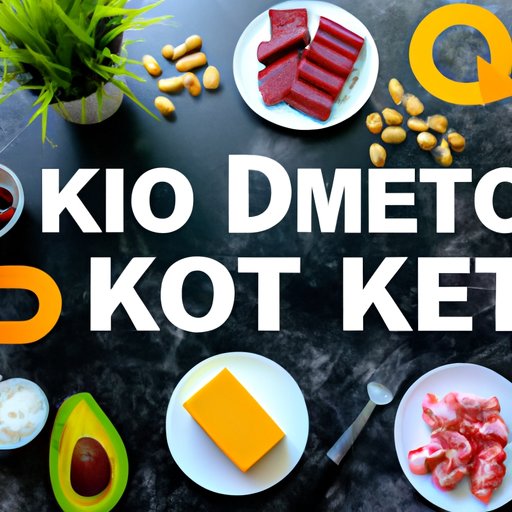
The key to success with the keto diet is understanding what foods you can and can’t eat. Here’s a comprehensive list of foods that are allowed on the keto diet:
Protein Sources
When following the keto diet, it’s important to get enough protein. Good protein sources include:
- Seafood (salmon, tuna, trout, etc.)
- Poultry (chicken, turkey, etc.)
- Eggs
- Red meat (beef, pork, lamb, etc.)
- Organ meats (liver, kidney, etc.)
Fats
Fats are an essential part of the keto diet. Good sources of healthy fats include:
- Olive oil
- Coconut oil
- Avocado oil
- Butter
- Ghee
- Nuts and seeds
- Avocado
Vegetables
Vegetables are an important source of vitamins, minerals, and fiber on the keto diet. Good sources of low-carb vegetables include:
- Leafy greens (spinach, kale, arugula, etc.)
- Broccoli
- Cauliflower
- Mushrooms
- Zucchini
- Bell peppers
- Celery
Fruits
Fruits are an important source of vitamins, minerals, and fiber on the keto diet. However, some fruits are higher in carbohydrates than others, so it’s important to choose wisely. Good sources of low-carb fruits include:
- Berries (strawberries, blueberries, raspberries, etc.)
- Citrus fruits (oranges, lemons, limes, etc.)
- Melon (watermelon, cantaloupe, honeydew, etc.)
- Apples
- Pears
Dairy Products
Dairy products are an important source of calcium and other essential nutrients on the keto diet. Good sources of dairy include:
- Full-fat milk
- Yogurt
- Cheese
- Heavy cream
Nuts and Seeds
Nuts and seeds are a great source of healthy fats, fiber, and other essential nutrients on the keto diet. Good sources of nuts and seeds include:
- Almonds
- Walnuts
- Pecans
- Macadamia nuts
- Pumpkin seeds
- Sunflower seeds
Legumes
Legumes are a good source of plant-based protein and fiber on the keto diet. Good sources of legumes include:
- Lentils
- Chickpeas
- Black beans
- Kidney beans
- Soybeans
Whole Grains
Whole grains are a good source of fiber and other essential nutrients on the keto diet. Good sources of whole grains include:
- Oats
- Barley
- Quinoa
- Buckwheat

Benefits of Eating a Keto Diet
The keto diet has been linked to a number of health benefits, including:
Weight Loss
One of the most well-known benefits of the keto diet is its ability to promote weight loss. Studies have shown that people who follow a keto diet tend to lose more weight, and more quickly, than those who follow a low-fat diet. For example, a study published in Obesity Reviews found that people who followed a keto diet lost an average of 2.2 pounds more than those who followed a low-fat diet over a six-month period.
Improved Health Markers
In addition to promoting weight loss, the keto diet has also been linked to improved health markers. Studies have found that people who follow a keto diet tend to have lower levels of blood sugar, cholesterol, and triglycerides, compared to those who don’t follow the diet. Additionally, research published in Diabetologia found that people who followed a keto diet for two years had better control of their blood sugar levels than those who followed a conventional diabetes diet.
Increased Energy Levels
Many people report feeling more energetic after switching to a keto diet. This is likely due to the fact that the body is able to use fat as an energy source, rather than relying solely on glucose. Additionally, the reduction in carbohydrate intake can help reduce fatigue and improve mental clarity.
Reduced Appetite and Cravings
The keto diet can help reduce hunger and cravings, which can lead to greater adherence to the diet. This is likely due to the fact that protein and fat are more satiating than carbohydrates, and can help reduce hunger and cravings.

Tips for Successfully Adopting the Keto Diet
Adopting a keto diet can be challenging, but there are several things you can do to make the transition easier:
Gradually Transition to the Diet
It’s best to gradually transition to the keto diet, rather than going cold-turkey. Start by reducing your carb intake and increasing your fat intake, and slowly adjust your macros until you reach the desired ratio. This will give your body time to adjust to the new diet and help you avoid any unpleasant side effects.
Track Your Progress
Tracking your progress is a great way to stay motivated and ensure that you’re on track to reach your goals. Track your weight, body fat percentage, and other health markers on a regular basis to gauge your progress.
Stay Hydrated
Staying hydrated is essential for optimal health, and even more so when following a keto diet. Make sure to drink plenty of water throughout the day to stay hydrated and avoid dehydration.
Get Enough Sleep
Getting enough sleep is essential for optimal health and performance. Aim to get at least seven hours of quality sleep per night to ensure that you’re well rested and ready to take on the day.
Recipes for Delicious Keto-Friendly Dishes
Eating a keto diet doesn’t mean giving up delicious meals. Here are some tasty recipes to get you started:
Breakfast Recipes
Lunch Recipes
Dinner Recipes
Snack Recipes
(Note: Is this article not meeting your expectations? Do you have knowledge or insights to share? Unlock new opportunities and expand your reach by joining our authors team. Click Registration to join us and share your expertise with our readers.)