

Introduction
A biological science degree is an excellent choice for those interested in exploring the mysteries of living organisms. From bacteria to humans, a degree in biological sciences provides students with the knowledge and skills needed to work in a variety of medical, research, and industrial settings. But what can you do with a biological science degree? This article will explore the different career paths available to those who have earned a degree in biological sciences.
Working in a Medical Lab
One of the most common paths for those with a biological science degree is to work in a medical lab. In this role, they may be tasked with performing various tests on specimens such as blood, urine, or tissue samples. These tests can include anything from analyzing cells to looking for signs of infections or diseases. Additionally, they may also be responsible for preparing reports on results and discussing them with physicians and other healthcare professionals.
According to the American Society for Clinical Laboratory Science, there are many different career opportunities available to those with a degree in biological sciences. These include positions such as laboratory technicians, medical technologists, and clinical laboratory scientists. Each of these roles requires a unique set of skills and qualifications, but all involve working in a lab setting to analyze specimens and provide information to healthcare providers.
Becoming a Biostatistician
Another popular field for those with a biological science degree is biostatistics. A biostatistician is someone who uses data and statistical methods to study biological processes and answer questions about health and disease. They are often tasked with analyzing data from experiments, surveys, and other sources in order to draw conclusions about trends in the population or the effectiveness of treatments and interventions.
In order to become a biostatistician, one must have a strong background in mathematics and statistics as well as a good understanding of biology. Additionally, some employers may require applicants to have experience with computer programming languages such as R or Python. Those interested in becoming a biostatistician should pursue an advanced degree in the field, such as a master’s or doctorate.
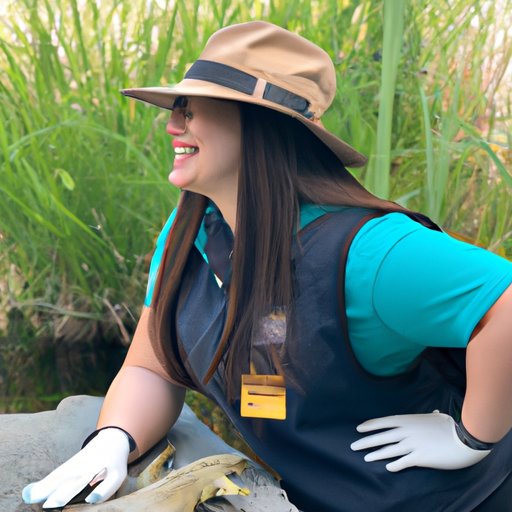
Pursuing a Career as a Wildlife Biologist
Wildlife biologists use their knowledge of biology to study and protect animals in their natural habitats. They may be tasked with conducting research on animal populations, observing behavior, managing conservation efforts, or developing policy. Wildlife biologists often work in the field, so they must be comfortable spending long hours outdoors in all types of weather.
Those interested in pursuing a career as a wildlife biologist should have a strong background in biology, ecology, and environmental science. Additionally, they should be familiar with the laws and regulations that govern wildlife management and conservation. A master’s degree in wildlife biology, zoology, or a related field is often required for higher-level positions.
Becoming a Biomedical Scientist
Biomedical scientists combine their knowledge of biology and medicine to develop new treatments and cures for diseases. They typically work in a lab setting where they conduct experiments and analyze data in order to gain insights into how the body works and how diseases affect it. They may also be responsible for designing clinical trials and interpreting the results.
In order to become a biomedical scientist, one must have a strong background in biology, chemistry, and physics, as well as a good understanding of medicine and physiology. Many employers require applicants to have a PhD in a relevant field such as biochemistry, molecular biology, or genetics. Additionally, experience in a lab setting is often preferred.
Entering the Field of Bioinformatics
Bioinformatics is a rapidly growing field that combines biology and computer science to analyze large amounts of biological data. A bioinformatician may be tasked with creating databases or software programs to store and analyze genetic or proteomic data, or they may be responsible for developing algorithms to search for patterns in the data. They may also be involved in the development of new drugs or treatments.
Those interested in entering the field of bioinformatics should have a strong background in both biology and computer science. Most employers require applicants to have a master’s degree in bioinformatics or a related field, such as computer science or computational biology. Additionally, experience with programming languages such as Python or Java is often necessary.

Exploring Industrial Research and Development
Industrial research and development is another area where those with a degree in biological sciences can find employment. In this role, they may be tasked with developing new products or improving existing ones. They may also be responsible for conducting experiments to test the safety and efficacy of new products, or they may be involved in the development of new technologies.
To pursue a career in industrial research and development, one must have a strong background in biology and chemistry, as well as a good understanding of the principles of engineering. Most employers require applicants to have a master’s degree in a relevant field such as biochemistry or chemical engineering. Additionally, experience in a lab setting is often preferred.
Conclusion
A degree in biological sciences opens up a world of possibilities for those interested in exploring the mysteries of living organisms. From working in a medical lab to becoming a biostatistician or a biomedical scientist, there are many different career paths available to those with a biological science degree. Additionally, there are also opportunities for those interested in pursuing careers in wildlife biology, bioinformatics, and industrial research and development. No matter what path you choose, a degree in biological sciences can provide you with the knowledge and skills needed to succeed in the field.
(Note: Is this article not meeting your expectations? Do you have knowledge or insights to share? Unlock new opportunities and expand your reach by joining our authors team. Click Registration to join us and share your expertise with our readers.)